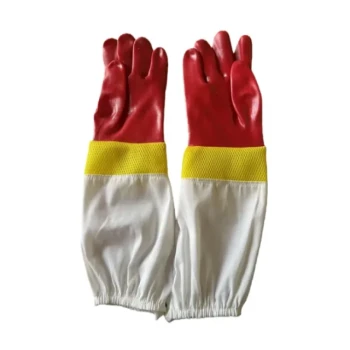
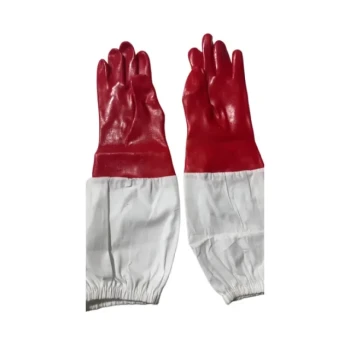
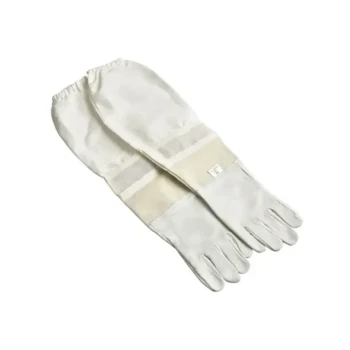
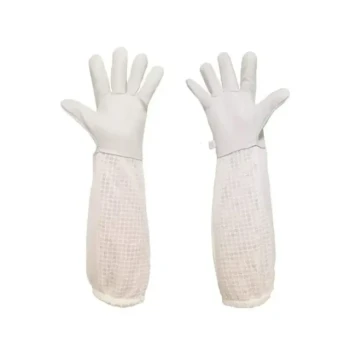
Beekeeping gloves generally fall into two distinct categories based on the balance between safety and sensitivity. The most common type is constructed from thick cotton or leather, featuring long cuffs that extend to the elbows for maximum coverage. Alternatively, many beekeepers utilize nitrile or latex gloves, which are much thinner and prioritize tactile flexibility over heavy-duty puncture resistance.
Core Takeaway The choice of glove is a direct trade-off between physical protection and manual dexterity. While heavy leather gloves provide the confidence necessary for beginners to handle hives without fear, thinner synthetic options offer the tactile feedback required for precise hive management.
Heavy-Duty Protection: Leather and Cotton
Maximum Coverage and Safety
The traditional beekeeping glove is designed to act as a comprehensive physical barrier. These gloves are typically made from thick leather or heavy cotton and are distinctively long, extending up to the elbows.
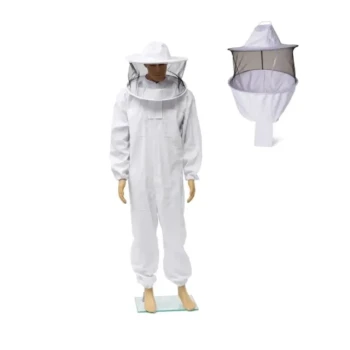
To ensure a secure seal against bees, these gloves are usually worn first, with the sleeves of the bee suit or jacket layered over them.
Building Confidence for Beginners
For novice beekeepers, the primary function of these gloves is psychological as well as physical. Bees can detect nervous behaviors, such as shaky hands or fumbling.
By eliminating the fear of painful stings, thick gloves allow a beginner to remain calm. This stability prevents the defensive reactions that agitated bees might exhibit toward a nervous handler.
High-Dexterity Options: Nitrile and Latex
The Middle Ground: Nitrile
Nitrile gloves are increasingly popular among beekeepers who find leather too cumbersome. They offer a practical middle ground, providing a sanitary barrier and some sting protection while maintaining significantly higher flexibility than leather.
Maximum Sensitivity: Latex
For those requiring the utmost precision, latex gloves are the preferred option. The thin, elastic material preserves the wearer's ability to feel texture and temperature, offering valuable sensory feedback during hive inspections.
Understanding the Trade-offs
The Cost of Protection
The primary downside of heavy leather gloves is a significant loss of dexterity and coordination. The thickness of the material can make it difficult to handle frames gently.
This reduced mobility increases the risk of accidentally crushing bees or dropping tools. Ironically, the clumsiness caused by protective gear can sometimes agitate the hive more than bare hands would.
Vulnerabilities of Thin Materials
While nitrile and latex offer superior feel, they do not provide the same puncture resistance as leather. A determined bee can sting through thin latex. Additionally, beekeepers must be aware of potential allergic reactions to latex materials.
The "No-Glove" Approach
It is worth noting that many experienced beekeepers forgo gloves entirely. This maximizes dexterity and minimizes the chance of harming bees, which is generally considered the safest method for the colony. However, this requires a calm demeanor and is not recommended until a beekeeper has built substantial confidence.
Making the Right Choice for Your Goal
Selecting the right hand protection depends largely on your experience level and the temperament of your hive.
- If your primary focus is maximum protection and confidence: Choose thick leather or cotton gloves that extend to the elbows to prevent stings and mask nervous shaking.
- If your primary focus is dexterity and sensory feedback: Opt for nitrile or latex gloves to maintain the ability to feel hive components while accepting a lower level of puncture resistance.
Ultimately, the best glove is one that balances your personal comfort with the safety and calmness of your bees.
Summary Table:
| Glove Material | Protection Level | Dexterity/Sensitivity | Best For |
|---|---|---|---|
| Leather | Maximum (Sting-proof) | Low | Beginners & Aggressive Hives |
| Cotton | High | Low to Medium | General Purpose Protection |
| Nitrile | Medium | High | Experienced Keepers & Hygiene |
| Latex | Low | Maximum | Precision Tasks & Queen Marking |
| None | Zero | Ultimate | Expert Beekeepers & Calm Colonies |
Elevate Your Apiary with Premium Gear
As a leading wholesale provider, HONESTBEE caters to commercial apiaries and distributors with a comprehensive range of professional-grade beekeeping tools. Whether you need heavy-duty leather gloves for maximum safety or high-precision machinery for honey processing, we supply everything from essential consumables to hive-making and honey-filling machines.
Ready to scale your beekeeping operations? Contact us today to discover how our high-quality equipment and honey-themed merchandise can drive your business forward.
Related Products
- Beekeeping Gloves Goatskin Leather with Long Cotton Sleeve for Beekeepers
- Heavy Duty Red Rubber Beekeeping Gloves with Vented Mesh Cotton Sleeves
- Heavy Duty Red Rubber Beekeeping Gloves with Extended Pure Cotton Sleeves for Beekeepers
- Goatskin Leather Beekeeper Gloves with Vent Long Sleeve for Beekeeping Honey Bee Sting Proof Protection
- Premium Ventilated Goatskin Beekeeping Gloves with Full 3-Layer Mesh Sleeve
People Also Ask
- What are the characteristics of the best gloves for beekeeping? Choose Protection & Dexterity
- What are the primary purposes of using beekeeping gloves? Protect Your Hands and Ensure Apiary Hygiene
- What types of gloves are available for beekeeping? Choose the Right Protection for Your Hive
- Why is it important for beekeepers to wear gloves? Essential Safety and Confidence for Hive Management
- Why do some experienced beekeepers opt not to wear gloves? Discover the Benefits of Tactile Precision