The Natural Honeycomb construction technique is a management strategy that prioritizes the biological autonomy of the superorganism over industrial standardization. By allowing honeybee colonies to build cells without prefabricated foundations, this method eliminates the risk of introducing external contaminants like pesticide residues or paraffin into the hive. It grants the colony the freedom to determine its own structure, fostering a healthier and more resilient population.
The core value of this technique lies in restoring the hive's "biological integrity." It trades the convenience of standardized management for a pure, toxin-free environment where the colony allows its physiological needs, rather than a mold, to dictate its growth.
The Pillars of Natural Construction
Eliminating Chemical Residues
The most immediate benefit of natural construction is the assurance of purity. Industrial foundations, while convenient, are frequently contaminated with pesticide or paraffin residues accumulated from previous uses or manufacturing processes.
By forcing bees to secrete their own virgin wax, you ensure the comb is completely free of these external pollutants. This creates a pristine environment essential for strict organic standards.
Restoring Natural Cell Ratios
Prefabricated foundations usually dictate a specific cell size, typically sized for worker bees, to maximize workforce numbers. Natural construction removes this constraint.
It allows the colony to autonomously adjust the ratio of worker cells to drone cells. The bees build according to their current physiological needs and seasonal requirements, rather than a pre-set pattern.
Enhancing Colony Resilience
This return to a natural state supports the overall health of the apiary. By allowing the colony to regulate its own demographics and live in a clean environment, the bees maintain better biological integrity.
This natural balance contributes to improved resistance against parasites and diseases, creating a colony that is robust by nature rather than by medication.
Understanding the Trade-offs
While the biological benefits are significant, the Natural Honeycomb technique presents specific operational challenges compared to industrial methods.
Higher Energy Expenditure
Building comb from scratch is energetically expensive for the colony. High-performance consumables, such as quality foundations, are designed to reduce the energy bees spend on wax secretion.
Without these guides, bees must consume more honey to produce the necessary wax. This diversion of energy can result in a slower buildup of the hive infrastructure.
Reduced Immediate Yields
Because the colony is focusing energy on construction rather than collection, the production cycle is often longer.
Inputs like specialized feeding and foundations generally guide bees to build neat combs rapidly, maximizing honey yield. By choosing natural comb, you are often accepting a lower volume of honey in exchange for higher quality and colony health.
Making the Right Choice for Your Goal
The decision between natural construction and foundation-based beekeeping depends entirely on your definition of success for the apiary.
- If your primary focus is Organic Purity: Adopt Natural Honeycomb construction to eliminate chemical residues and support the colony’s natural immune resilience.
- If your primary focus is Maximum Yield: Utilize high-quality foundations to minimize the bees' energy expenditure and shorten the production cycle for higher output.
Ultimately, Natural Honeycomb construction is an investment in the long-term biological stability of the hive, prioritizing the bees' evolutionary wisdom over the speed of production.
Summary Table:
| Benefit Pillar | Key Advantage | Impact on Apiary |
|---|---|---|
| Chemical Purity | Zero external residues | Eliminates pesticide/paraffin risks from industrial wax. |
| Biological Integrity | Autonomous cell sizing | Bees adjust worker-to-drone ratios based on seasonal needs. |
| Colony Resilience | Improved health | Enhances natural resistance against parasites and diseases. |
| Resource Allocation | Natural wax secretion | Prioritizes long-term hive stability over immediate honey yield. |
Elevate Your Apiary’s Health with HONESTBEE
Whether you are prioritizing organic purity through natural construction or seeking to maximize yields with high-performance foundations, HONESTBEE is your strategic partner. We cater to commercial apiaries and professional distributors with a comprehensive wholesale portfolio designed for excellence.
From precision honey-filling machines and specialized hive-making hardware to a full spectrum of durable beekeeping tools and essential consumables, we provide the infrastructure you need to scale. Our experts understand the balance between biological integrity and industrial efficiency.
Ready to optimize your operations? Contact HONESTBEE today to access our premium wholesale catalog and discover how our equipment can drive your beekeeping success.
References
- Jana Bundschuh, Christopher Brock. Effects of queen excluders on the colony dynamics of honeybees (Apis mellifera L.) under biodynamic management. DOI: 10.1007/s13592-023-01041-9
This article is also based on technical information from HonestBee Knowledge Base .
Related Products
- Heart-Shaped Comb Honey Frame and Honeycomb Cassette
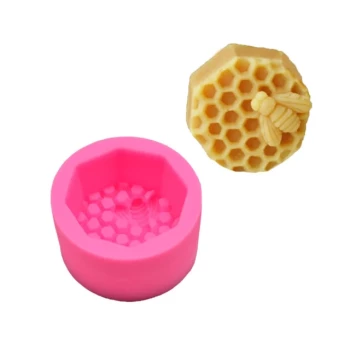
- Hexagonal Bee Honeycomb Silicone Soap Mold by HONESTBEE
- Stainless Steel Honey Bee Smoker Hive and Honeycomb Smoker for Beekeeping
- Stainless Steel Jack Type Honey Comb Press Machine Wax and Honey Separator
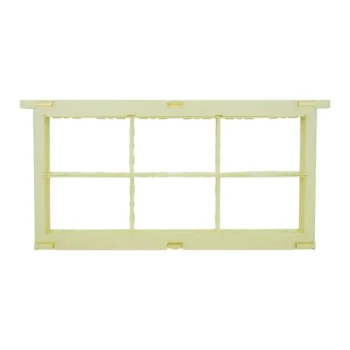
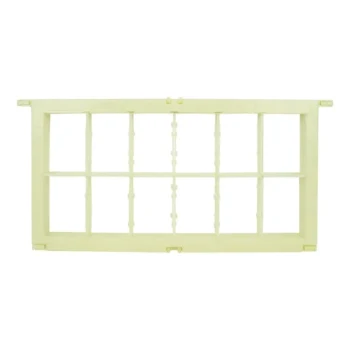
- Professional 500g Sectional Comb Honey Frame System for Beekeeping
People Also Ask
- How are honeybee combs utilized for non-destructive colony monitoring? Master Population Density Tracking
- What is a honeycomb frame? The Key to Modern, Sustainable Beekeeping
- What is the technical purpose of exchanging honeycomb frames? Master Apiary Equalization for Growth
- What frame to use for honeycomb? Choose the Right System for Pure, Edible Comb
- What is the significance of sampling honeycomb frames and hive bottoms? A Guide to Scientific Sanitation Monitoring