Industrial-grade hive transport and loading machinery functions as the central logistical engine for modern migratory beekeeping. Its primary purpose is to automate the loading process while stabilizing hives to minimize physical vibrations during transit. By reducing transit stress, this equipment ensures that colonies remain biologically active and structurally sound, allowing for immediate and effective cross-regional pollination and honey collection upon arrival.
The core value of this technology lies in its ability to decouple transport speed from biological risk. It allows beekeepers to move massive numbers of colonies across vast distances without triggering the stress responses that typically degrade colony health and productivity.
Preserving Biological Integrity During Transit
Minimizing Vibration and Stress
The most critical function of specialized transport platforms is the dampening of physical vibrations. Excessive shaking during transport triggers stress responses in bees, which can disrupt colony cohesion and increase mortality. Industrial machinery provides a stable environment that protects the biological activity of the colony.
Protecting Hive Structure
Beyond the bees themselves, the structural integrity of the hive box and internal combs is paramount. Specialized transport vehicles prevent the shifting or collapsing of frames that can occur with standard cargo trucks. This ensures the physical habitat remains intact throughout the journey.
Accelerating Foraging Resumption
High-performance handling equipment is designed to ensure bees can resume work immediately. By minimizing stress during the move between forage sources—such as clover, cotton, or citrus groves—bees can return to nectar collection and pollination duties almost instantly upon unloading.
Optimizing Disease Control and Biosecurity
Standardized Hive Spacing
Mechanized loading equipment allows for precise, standardized placement of hives at the destination. This is not merely an aesthetic feature; it is a critical biosecurity measure. Proper spacing effectively prevents the drift of bees between hives, which is a primary vector for cross-infection.
Mitigating Pest Transmission
By controlling the density and placement of colonies, this machinery helps slow the transmission of devastating pests and pathogens. This layout control is particularly effective in managing the spread of Varroa destructor and Nosema ceranae, protecting the overall health of the apiary.
Enhancing Logistical Efficiency
Automated Loading Systems
Industrial-grade machinery integrates automated loading systems that significantly reduce manual labor. This allows for the rapid deployment and retrieval of large numbers of hives, making large-scale transhumance (seasonal migration) economically viable.
Enabling Cross-Regional Mobility
These tools provide the foundational support for moving colonies between different geographic regions based on bloom cycles. This mobility is essential for commercial operations that rely on chasing peak nectar flows or fulfilling pollination contracts in different agricultural zones.
Understanding the Trade-offs
Capital Investment vs. Operational Speed
While this machinery drastically improves efficiency, it represents a significant capital expenditure compared to manual methods. Smaller operations must weigh the upfront cost of specialized vehicles and loaders against the potential gains in pollination fees and honey yield.
Maintenance and Complexity
Moving from manual loading to automated systems introduces mechanical complexity. Beekeepers must account for the maintenance of hydraulic systems and specialized transport platforms. A failure in the loading mechanism during a critical migration window can result in significant logistical bottlenecks.
Making the Right Choice for Your Goal
When integrating industrial transport machinery into your operation, consider your specific objectives:
- If your primary focus is maximizing honey yield: Prioritize machinery with superior vibration dampening to ensure bees are unstressed and ready to forage immediately upon arrival at nectar sources.
- If your primary focus is disease management: Select equipment that offers precise automated placement to ensure standardized spacing, reducing the risk of pest transfer between colonies.
- If your primary focus is operational scale: Invest in high-capacity automated loading systems that minimize the time and labor required to move hives between distant regions.
Successful transhumance relies not just on moving bees, but on moving them without breaking their biological rhythm.
Summary Table:
| Core Function | Key Benefit | Operational Impact |
|---|---|---|
| Vibration Dampening | Reduces bee stress & mortality | Faster foraging resumption upon arrival |
| Automated Loading | Minimizes manual labor | Enables large-scale regional migration |
| Precise Spacing | Prevents bee drifting | Enhanced biosecurity & disease control |
| Structural Protection | Preserves hive & comb integrity | Prevents frame collapse during transit |
| Logistical Mobility | Rapid deployment at bloom cycles | Maximizes honey yield & pollination fees |
Scale Your Apiary with HONESTBEE’s Professional Logistics Solutions
Maximize your operational efficiency and protect your colonies with HONESTBEE. We specialize in supporting commercial apiaries and distributors by providing a comprehensive wholesale range of industrial-grade beekeeping tools and machinery.
From heavy-duty hive transport systems and automated honey-filling machines to essential consumables and honey-themed cultural merchandise, we equip you with everything needed to succeed in modern mechanized beekeeping. Our solutions are designed to minimize labor and maximize biological productivity.
Ready to upgrade your equipment? Contact us today to discuss how our wholesale machinery and hardware can transform your commercial beekeeping business!
References
- Krzysztof Różański. Aspectos jurídicos del apoyo a la actividad de la apicultura a la luz del derecho de la Unión Europea y de determinados estados miembros. DOI: 10.17561/rej.n21.6771
This article is also based on technical information from HonestBee Knowledge Base .
Related Products
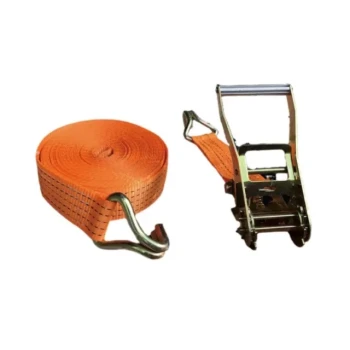
- Heavy Duty Ratchet Hive Strap
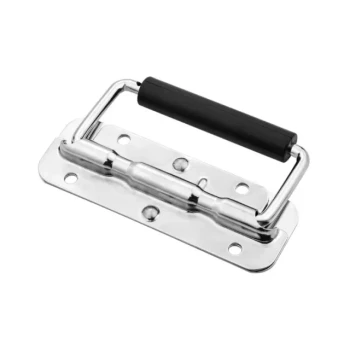
- Premium Comfort Grip Spring-Loaded Hive Handles
- Professional Grade Foldable Beehive Handles
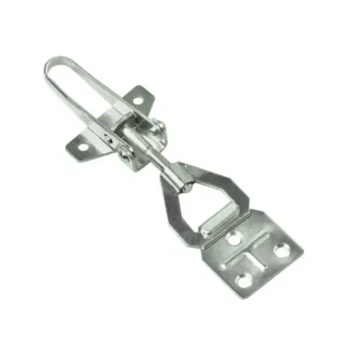
- Heavy Duty Adjustable Hive Connector
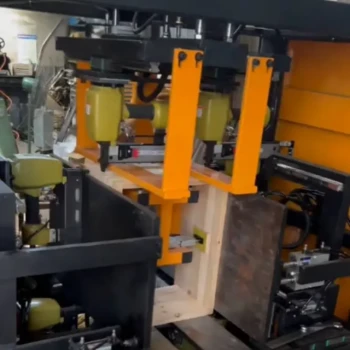
- Automatic High-Speed Bee Hive Box Stapling Machine
People Also Ask
- Why is the use of ratchet straps or high-strength ropes necessary for hive protection? Secure Your Colony Now
- What are the two styles of hive straps? Choose the Right Strap for Your Hive Security
- What maintenance do hive straps require? Keep Your Hives Secure with Simple Care Tips
- How should hive straps be stored? Prevent Tangles & Extend Strap Life
- What is the best choice for hive straps? Ratchet vs. Cam Buckle for Your Apiary