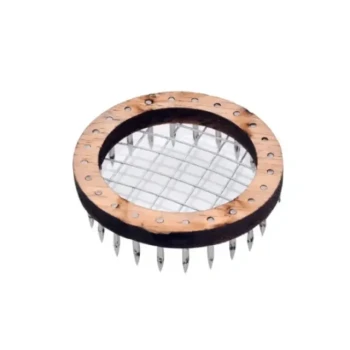
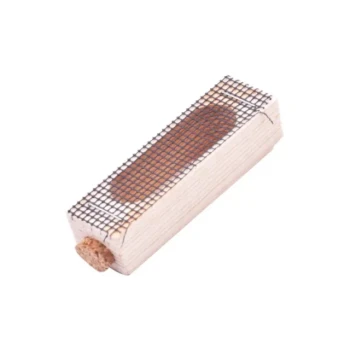
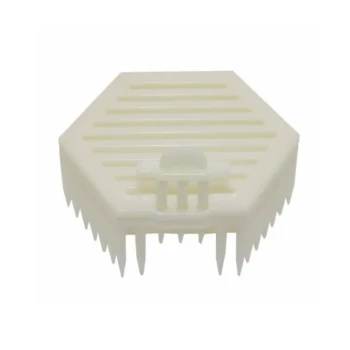
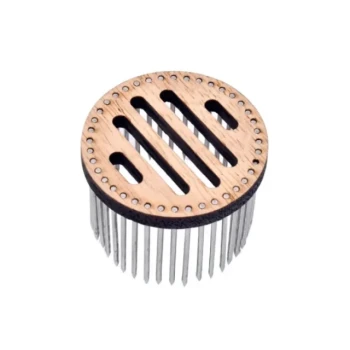
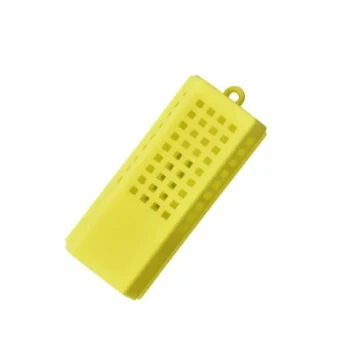
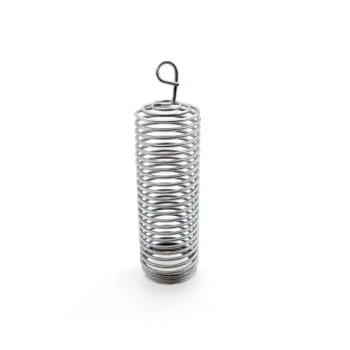
Standardized metal mesh hoarding cages offer a precision-engineered environment specifically designed to optimize the survival and study of newly emerged honeybees. These cages distinguish themselves through improved ventilation systems, integrated feeding mechanisms, and high-visibility structures that allow for accurate biological monitoring.
By combining structural support with specialized features for airflow and feeding, these cages solve the dual challenge of maintaining bee health while enabling rigorous observation. They transform bee rearing from a passive storage process into a controlled, verifiable scientific method.
Optimizing the Biological Environment
Critical Ventilation and Airflow
The most significant advantage of this design is the metal mesh base. This feature promotes continuous air circulation throughout the enclosure, preventing the buildup of heat and humidity that can be detrimental to confined bees.
Reducing Physiological Stress
Proper ventilation does more than regulate temperature; it helps maintain a natural internal order. While often used for newly emerged bees, the principles of lightweight mesh construction have been shown to effectively reduce the stress response in bees, ensuring that physiological conditions remain closer to a natural state.
Enhancing Operational Efficiency
Streamlined Feeding Mechanisms
The design incorporates specific side openings tailored for functionality. These apertures facilitate the insertion of plastic feeding tubes, allowing for an automatic and consistent supply of nutrients without the need to disturb the bees by opening the cage.
Structural Integrity
Unlike makeshift containers, standardized metal cages provide robust structural support. This rigidity ensures the cage maintains its shape during handling and cleaning, protecting the vulnerable bees inside from accidental crushing or containment failure.
Facilitating Research and Observation
Monitoring Clustering Behavior
The transparency of the mesh grid allows researchers to effectively observe social dynamics. You can clearly monitor clustering behavior—a key indicator of colony health and thermal regulation—without manipulating the cage or disrupting the bees.
Tracking Mortality Rates
Accurate data collection is essential for research. The visibility provided by the metal mesh allows for immediate identification and counting of dead bees, enabling researchers to track mortality rates precisely over time.
Understanding the Trade-offs
Thermal Dependence
While the mesh base provides excellent ventilation, it offers little thermal insulation compared to solid walls. Therefore, these cages rely heavily on the ambient temperature of the rearing room or incubator to keep the bees warm.
Desiccation Risks
The high level of airflow, while generally beneficial, can lead to dehydration if humidity levels are not actively managed. Users must ensure that the automatic feeding supply includes adequate water or sugar syrup to compensate for moisture loss.
Making the Right Choice for Your Goal
To maximize the utility of standardized metal mesh hoarding cages, align their use with your specific objectives:
- If your primary focus is Research Accuracy: Utilize the mesh visibility to record daily clustering patterns and mortality without disturbing the subjects.
- If your primary focus is Bee Survival: Prioritize the use of the side openings for automatic feeding to ensure constant hydration and nutrition while maintaining a stable ambient temperature.
Standardization in rearing equipment is the first step toward reproducible results and healthier colonies.
Summary Table:
| Feature | Design Advantage | Benefit to Bee Rearing |
|---|---|---|
| Metal Mesh Base | Enhanced Airflow | Prevents heat/humidity buildup & reduces physiological stress |
| Side Openings | Integrated Feeding Ports | Allows nutrient supply without disturbing the bees |
| Rigid Structure | Structural Integrity | Protects bees from crushing and maintains cage shape during cleaning |
| Mesh Transparency | High Visibility | Facilitates accurate monitoring of clustering and mortality rates |
Elevate Your Apiary Operations with HONESTBEE
At HONESTBEE, we specialize in empowering commercial apiaries and distributors with high-performance beekeeping solutions. Whether you are conducting rigorous research or scaling up honey production, our standardized metal mesh hoarding cages and precision machinery are engineered to deliver results.
Our extensive portfolio includes:
- Advanced Machinery: From specialized hive-making equipment to high-efficiency honey-filling machines.
- Complete Equipment Kits: A full spectrum of professional tools and essential industry consumables.
- Wholesale Supplies: Tailored bulk offerings for distributors and large-scale commercial operations.
Ready to optimize your colony health and operational efficiency? Contact us today to explore how our specialized hardware and beekeeping expertise can grow your business!
References
- Fabien Démares, Hannelie Human. Sucrose Sensitivity of Honey Bees Is Differently Affected by Dietary Protein and a Neonicotinoid Pesticide. DOI: 10.1371/journal.pone.0156584
This article is also based on technical information from HonestBee Knowledge Base .
Related Products
- Wood and Mesh Push-In Queen Cage
- Classic Wooden and Mesh California Queen Cage
- Hexagonal Direct Comb Introduction Queen Bee Cage
- Premium Wood and Steel Push In Queen Cage
- Professional Multi-Compartment Queen Cage with Sliding Lid
People Also Ask
- When is a queen introduced with a push-in cage ready for full release? Key Signs for Maximum Colony Acceptance
- How are queen cages used to protect newly hatched queens? Secure Your Virgin Queens During Development
- Why are queen cages or grid cages used in bee studies? Achieve Precise Biological Data for Research
- What advantages do push-in queen cages offer? Boost Acceptance Rates for Artificially Inseminated Queens
- What is a push-in queen cage and how does it differ from a standard queen cage? Boosting Your Queen Acceptance Rates