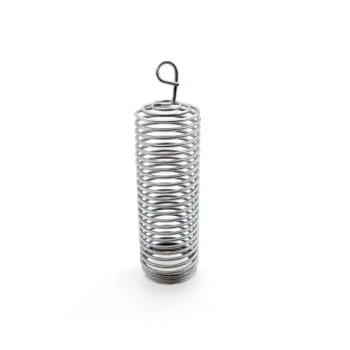
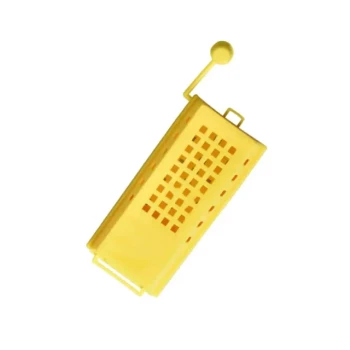
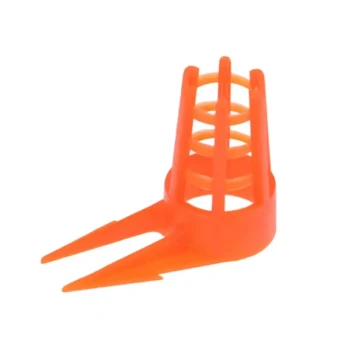
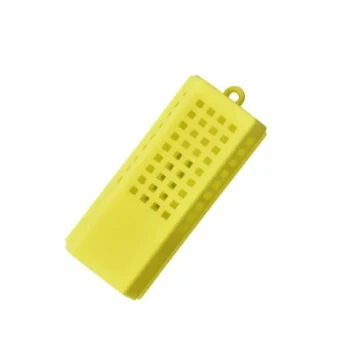
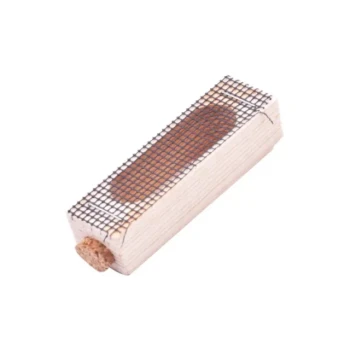
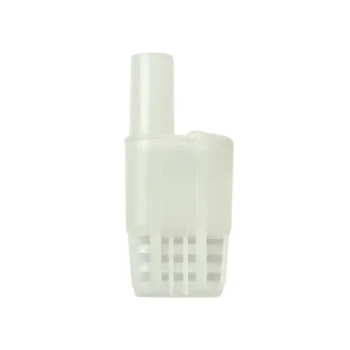
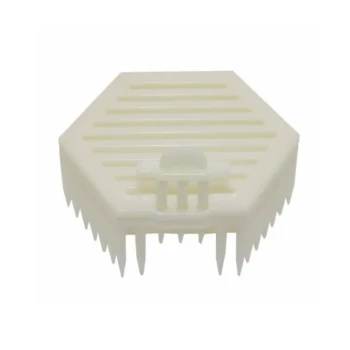
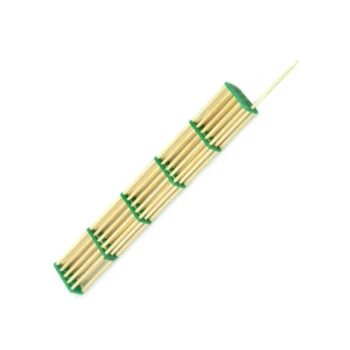
The definitive signal for release is biological, not chronological. You should release a queen from a push-in cage immediately after she begins laying eggs, a milestone that typically occurs within one to three days of her introduction.
To ensure the highest probability of acceptance, do not release the queen until visual proof of productivity exists. Once eggs are present, the colony views her as a vital asset rather than an intruder.
The Mechanics of Acceptance
Pheromone Acclimatization
The primary function of the push-in cage is to facilitate safe contact. While confined, the colony investigates the queen and becomes accustomed to her unique pheromone signature. This period allows the workers' aggression to subside as her scent integrates with the hive.
The Shift to Productivity
However, scent alone is often not enough for a guaranteed acceptance. The critical threshold is crossed when the colony recognizes her as a productive, laying queen. By laying eggs under the cage, she demonstrates her value to the superorganism, drastically increasing the workers' desire to accept and protect her.
Identifying the Release Window
Monitoring for Evidence
Your decision to release should be based on visual confirmation. Inspect the comb area beneath the cage for the presence of fresh eggs. This confirms the queen is biologically active and being fed by the workers through the mesh.
The Typical Timeframe
In most scenarios, a queen will begin laying within one to three days. Once this activity is observed, the waiting period is over. Keeping her confined significantly longer than necessary after she has started laying yields diminishing returns.
Understanding the Risks
The Danger of Premature Release
Releasing a queen before she has laid eggs relies solely on pheromone familiarity. If the colony has not yet perceived her as a productive mother, the risk of balling (rejection) remains elevated. Patience in waiting for that first egg is your best insurance policy.
Inspection Disturbances
While you must check for eggs, frequent or rough inspections can be counterproductive. Excessive disturbance can stress the queen or agitate the workers. Perform your checks quickly and gently to verify egg presence without disrupting the colony's mood.
Making the Right Choice for Your Colony
Base your release timing on the behavior of the queen, not just the calendar.
- If your primary focus is maximum acceptance rates: Wait strictly for the presence of eggs inside the cage, regardless of whether it takes one day or three.
- If your primary focus is workflow efficiency: Check the hive at the 48-hour mark; if eggs are present, release her immediately.
Trust the biology of the hive: a laying queen is a protected queen.
Summary Table:
| Feature | Chronological Approach | Biological (Recommended) Approach |
|---|---|---|
| Timing | Fixed (e.g., 48 hours) | Variable (1-3 days typically) |
| Primary Trigger | Pheromone Scent | Visual proof of egg-laying |
| Acceptance Rate | Moderate Risk | Highest Success Rate |
| Worker Behavior | Neutral | Protective & Nurturing |
| Action Required | Automatic Release | Inspection for productivity |
Maximize Your Colony Success with HONESTBEE
Successful queen introduction is just the beginning of a productive season. At HONESTBEE, we empower commercial apiaries and distributors with the high-performance tools needed to scale operations efficiently. Whether you require specialized hive-making machinery, precision honey-filling systems, or high-quality beekeeping consumables, our comprehensive wholesale portfolio is designed to meet the demands of the modern bee industry.
Ready to upgrade your apiary’s productivity and hardware? Contact our expert team today to discuss how our professional equipment and tailored supply chain solutions can grow your business.
Related Products
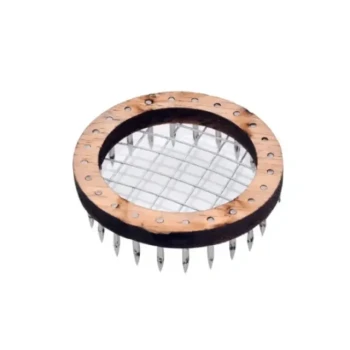
- Wood and Mesh Push-In Queen Cage
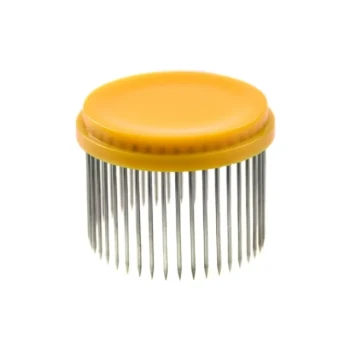
- Professional Round Push-In Queen Cage with Metal Tines
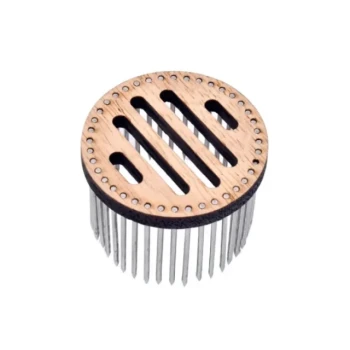
- Premium Wood and Steel Push In Queen Cage
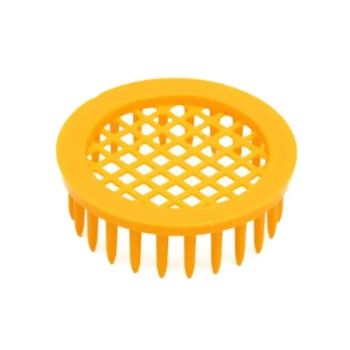
- Durable Plastic Push In Queen Bee Cage
- Professional Queen Bee Introduction and Transport Cage
People Also Ask
- How are queen cages used to protect newly hatched queens? Secure Your Virgin Queens During Development
- Why are queen cages or grid cages used in bee studies? Achieve Precise Biological Data for Research
- What advantages do push-in queen cages offer? Boost Acceptance Rates for Artificially Inseminated Queens
- What is a push-in queen cage and how does it differ from a standard queen cage? Boosting Your Queen Acceptance Rates
- What is a push-in queen cage and how does it differ from standard cages? Achieve Higher Queen Acceptance Rates