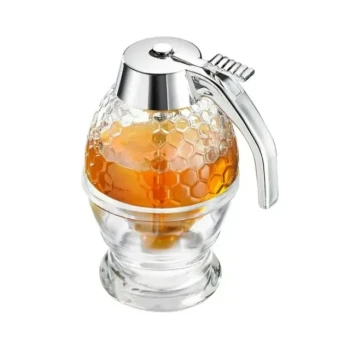
Honey pumps are primarily categorized by their power source and operational scale. The two distinct types are manual pumps, designed for hands-on control in smaller setups, and electric pumps, which automate the transfer process for larger volumes. Additionally, related equipment like the honey press offers versatility for broader agricultural use.
The choice between pump types is dictated by your volume of production; manual pumps offer cost-effective control for hobbyists, while electric pumps provide the essential speed and labor reduction needed for commercial scalability.
Categorizing Honey Pumps by Operation Scale
Manual Pumps: Precision for Small Operations
Manual pumps are mechanical devices that function entirely without electricity. They rely on physical operation, allowing the beekeeper to have direct, hands-on control over the flow of honey.
Because they do not require a power source, they are highly portable and reliable in remote locations. These are the ideal solution for small operations where volume is low and precision is preferred over raw speed.
Electric Pumps: Efficiency for High Volume
Electric pumps are designed to maximize time efficiency and reduce physical strain. By automating the movement of honey, they streamline the workflow significantly compared to manual methods.
These pumps are best suited for larger operations handling significant quantities of honey. The investment in an electric system pays off by drastically cutting down the labor hours required for transfer and bottling.
Versatile Extraction Alternatives
The Honey Press: Multi-Purpose Utility
While distinct from a transfer pump, the honey press is a vital piece of extraction equipment for many farmers. It is a versatile device that extends its utility beyond the apiary.
A honey press can also be used to extract juice from fruits or berries. This multi-functionality allows a single piece of equipment to enhance overall farm productivity, serving different agricultural needs throughout the seasons.
Understanding the Trade-offs
Balancing Labor and Investment
The primary trade-off between these tools is cost versus effort. Manual pumps have a lower barrier to entry but require consistent physical exertion and time.
Conversely, electric pumps require a higher upfront investment and access to power. However, they mitigate the bottleneck of manual labor, preventing fatigue during peak harvest seasons.
Specialization vs. Flexibility
Pumps are specialized tools designed strictly for moving viscous liquids like honey. They are excellent at moving product from a tank to a jar but have limited uses outside of this task.
In contrast, the honey press offers broader utility for a diversified farm. If your operation includes orchards or berry patches, a press offers better value by serving multiple harvest types, even if it operates differently than a continuous flow pump.
Making the Right Choice for Your Goal
To select the best equipment, you must assess your current volume and future growth targets.
- If your primary focus is small-scale or hobby beekeeping: Choose a manual pump to maintain low costs and high control over your product flow.
- If your primary focus is commercial production and efficiency: Invest in an electric pump to automate heavy lifting and significantly reduce processing time.
- If your primary focus is diversified farming: Consider a honey press to gain a multi-functional tool capable of processing both honey and fruit harvests.
Match your equipment to the scale of your harvest to ensure a smooth and profitable season.
Summary Table:
| Pump Type | Power Source | Best For | Key Advantage |
|---|---|---|---|
| Manual Pump | Physical Power | Small-scale/Hobbyists | Low cost & portable |
| Electric Pump | Electricity | Commercial Apiaries | High speed & low labor |
| Honey Press | Physical Power | Diversified Farms | Multi-use (Honey & Fruit) |
Scale Your Honey Production with HONESTBEE
Maximize your harvest efficiency with HONESTBEE’s professional-grade equipment. Whether you are a commercial apiary looking for high-capacity electric honey pumps and honey-filling machines or a distributor seeking a reliable wholesale partner for beekeeping tools and hardware, we provide the industry-leading solutions you need.
Our comprehensive portfolio includes everything from specialized hive-making machinery to essential consumables and honey-themed cultural merchandise. Let us help you streamline your operations and grow your business.
Contact HONESTBEE today for wholesale pricing and expert guidance!
Related Products
- Honey Convey Pump Screw Honey Pump for Viscous Liquid
- Honey Convey Pump Economy Gear Pump for Viscous Liquid
- Economy Small Honey Filling Machine Honey Bottle Filler Packaging Machine
- Manual Honey Filling Machine Bottling Machine for Honey
- Automatic Honey Filling and Filtering Machine for Beekeeping Bottle Filling
People Also Ask
- How do modern technologies and machinery benefit honey extraction? Elevate Efficiency & Product Quality
- What are the different types of honey pumps available? Manual vs. Electric Pumps for Beekeeping Efficiency
- What is the role of honey pumps in honey processing? Preserve Quality and Boost Efficiency
- Why are honey pumps considered essential in the honey transfer process? Streamline High-Viscosity Liquid Handling
- What types of pumps are used in honey processing systems? Optimize Your Production with the Right Technology