Using 8 frames in a standard 10-frame honey super introduces significant management challenges, primarily involving excessive bridge comb and physical instability within the hive. While beekeepers often attempt this spacing to encourage "fat" combs for easier uncapping, the wide gaps can lead to messy construction and handling frustrations if not managed perfectly.
The Core Insight Reducing frame count forces bees to draw comb out further, but an 8-frame configuration is often "too much of a good thing." It frequently leads to structural issues like bridge comb and wasted space, making a 9-frame spacing or staying with the standard 10 frames a more reliable choice for most setups.
The Mechanical and Management Downsides
Excessive Bridge Comb
The most immediate disadvantage is the creation of bridge comb. Because the gap between frames is significantly wider than the natural "bee space," bees will attempt to connect the frames with burr comb.
This acts as a ladder for the bees but creates a mess for the beekeeper. You will spend extra time scraping this wax off to manipulate the frames.
Equipment Instability
10-frame boxes are designed to hold 10 frames snugly. When you reduce this to 8, there is considerable empty space left in the box.
During transport or inspection, frames are prone to sliding, shifting, or falling out entirely. This is particularly frustrating when the supers are empty or light, as the frames lack the weight to stay in place.
Uneven Comb Architecture
Bees do not always build comb in a perfect block. In an 8-frame setup, the extended comb often ends up tapered—wide at the top but narrower at the bottom.
This tapering results in wasted space within the super. While the top of the frame looks full, the bottom may not utilize the available volume efficiently.
Issues During Slow Honey Flows
The success of wide spacing relies heavily on a strong nectar flow. During a slow flow, bees are less inclined to draw the comb out fully and evenly.
Instead of building nice, fat combs, they may build erratic, messy structures in the wide gaps, complicating the extraction process.
The "Drawn Comb" Prerequisite
The Risk with New Foundation
You must never space undrawn foundation at 8 frames per 10-frame box. If you provide wide spacing on bare foundation, bees will likely build "cross comb" in the gaps rather than following the frame guides.
This results in a box where frames are fused together by wax, making them impossible to remove without destroying the comb.
Limitations with Plastic Frames
Plastic frames present a unique challenge with wide spacing. Bees tend to draw comb on plastic differently than on wax foundation.
Even with drawn comb, bees are less likely to extend the cells effectively on plastic frames in an 8-frame configuration. This often results in a mess rather than the deep cells desired.
Understanding the Trade-offs
The Logic Behind Spacing
The goal of using fewer frames (spacing) is to force bees to extend the honeycomb cells beyond the wood of the frame. These "fat" combs are easier to uncap with a knife and yield more beeswax.
However, the disadvantages of the 8-frame setup often outweigh these labor-saving benefits compared to other configurations.
The 9-Frame Alternative
Many commercial and hobbyist beekeepers find that 9 frames serve as the optimal compromise.
9-frame spacing provides enough room for bees to build "fat" combs for easy uncapping, but the frames remain close enough to discourage the heavy bridge comb and instability associated with 8-frame spacing.
Making the Right Choice for Your Goal
- If your primary focus is Avoiding Mess: Stick to 10 frames to respect natural bee space and minimize burr comb.
- If your primary focus is Automated Extraction: Consider 9 frames, as they provide uniform "fat" combs that run smoother in machinery than 8-frame setups.
- If your primary focus is Drawing New Comb: Always use 10 frames until the foundation is fully drawn out; never space undrawn frames.
Ultimately, while 8-frame spacing promises easier uncapping, it typically introduces more handling frustration than it saves.
Summary Table:
| Disadvantage | Impact on Management | Primary Consequence |
|---|---|---|
| Bridge Comb | High maintenance | Extra time spent scraping wax and burr comb |
| Equipment Instability | Low security | Frames slide and shift during transport/inspection |
| Uneven Architecture | Efficiency loss | Tapered combs and wasted space in the honey super |
| Cross Comb Risk | Critical failure | Undrawn foundation becomes fused and unremovable |
| Slow Flow Issues | Poor consistency | Erratic and messy structures during weak nectar flows |
Maximize Your Honey Yield with HONESTBEE
Managing commercial apiaries requires precision and the right equipment to avoid costly hive management errors. At HONESTBEE, we specialize in supporting commercial beekeepers and distributors with a full spectrum of high-quality solutions—from specialized hive-making and honey-filling machinery to durable wholesale beekeeping tools and consumables.
Whether you are looking to optimize your extraction line or stock your distribution business with premium hardware, our portfolio is designed to enhance your operational efficiency.
Ready to scale your production? Contact us today to explore our wholesale offerings!
Related Products
- Rapid Bee Feeder White Plastic 2L Round Top Feeder for 8 or 10-Frame Bee Hives
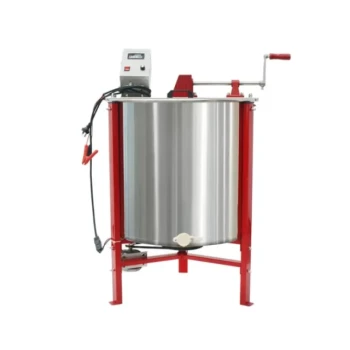
- HONESTBEE 8 Frame Electric and Manual Three Use Honey Extractor
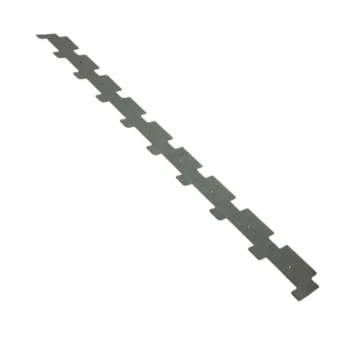
- Heavy Duty Castellated Iron Frame Spacer for Honey Supers
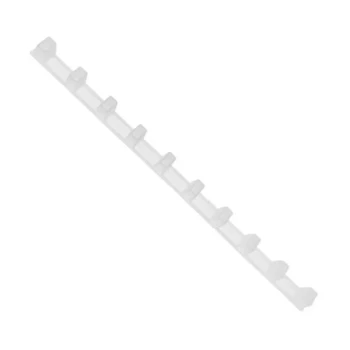
- Durable Plastic Frame Spacer
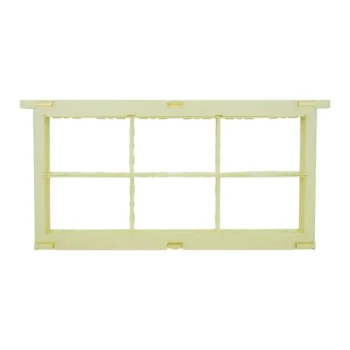
- Professional 500g Sectional Comb Honey Frame System for Beekeeping
People Also Ask
- What should be done with feeders and equipment after feeding bees? Essential Steps for Apiary Health
- What should be done if feed in a feeder is not consumed by the bees? Prevent Hive Mold with Prompt Feed Management
- What is the necessity of specialized internal or entrance feeders? Secure Your Hive with Professional Feeding Tools
- How do bee feeders work to preserve colony health during nectar shortages? Essential Guide for Beekeepers
- How quickly does a medium to strong colony usually empty a feeder? A Beekeeper's Guide to Hive Health