The essential rule is balance: provide slight upward ventilation to remove warm, moist air while preserving insulation around the winter cluster. Begin high-protein pollen patty feeding 4–5 weeks before natural spring blooms, placing the patties directly beside or above the cluster so the colony can access them without excessive hive disturbance.
Winter management is not about heating the entire hive. It is about keeping the cluster stable, preventing condensation from reaching the bees, and supplying protein only when early brood rearing requires it.
Managing Hive Ventilation During Winter
Understand what the bees are heating
Honey bees do not heat the hive structure. They maintain the central winter cluster at approximately 34–35°C (93–95°F) while adjusting the cluster’s size and density in response to outdoor temperatures.
This means ventilation should not create a strong draft through the cluster. The goal is to remove moisture while allowing the bees to conserve energy.
Provide controlled top ventilation
A small upper entrance or vent beneath the hive cover supports upward airflow. Warm, humid air naturally rises, so an upper outlet helps prevent that moisture from collecting above the cluster and later dripping onto the bees.
Ventilation should be controlled rather than excessive. Large openings or direct wind exposure can increase heat loss and may force the colony to consume more stores.
Prevent condensation from becoming a hazard
Cold hive surfaces can cause humid air to condense. If water accumulates and freezes, it may drip onto the cluster, chilling or killing bees even when the colony has adequate food.
A moisture board, quilt box, or other moisture-management component can help absorb or redirect excess humidity while retaining useful heat.
Combine insulation with airflow
Insulation alone can turn the hive into a moisture trap, while uncontrolled ventilation can make the colony expend unnecessary energy. The most reliable approach combines high-quality insulation, precise bee spaces, and modest upward ventilation.
Hive construction, frame arrangement, and cover design should support airflow without creating unnecessary gaps around the cluster.
Protect the hive from winter exposure
Where possible, position hives in a location sheltered from prevailing wind and severe winter elements. Wind protection reduces direct heat loss, but it must not block the intended upper ventilation path.
Before winter, inspect entrances, covers, vents, and moisture-control components to confirm that they are secure, unobstructed, and weather resistant.
Supplementary Pollen Feeding Before Spring
Time feeding according to brood-rearing needs
Place pollen patties approximately 4–5 weeks before natural spring pollen blooms. This timing supports the colony as it begins expanding brood rearing before abundant natural pollen becomes available.
Feeding too early may stimulate brood production before the colony has sufficient population, food reserves, or suitable weather to support the expansion.
Position patties beside the cluster
Place the patty directly adjacent to the winter cluster, typically on the top bars above or immediately beside the bees. Accessibility is critical because the colony may not travel far in cold conditions.
A patty placed too far from the cluster may remain unused, particularly during periods when bees cannot safely move through the hive.
Use a high-protein supplement
A suitable pollen substitute should provide reliable protein support for brood production. For distributors and beekeepers, product consistency, storage stability, formulation quality, and dependable availability are important alongside protein content.
Pollen supplements are an aid—not a replacement for sound winter nutrition, adequate stores, and proper colony health management.
Open the hive only briefly
Supplemental feeding should ideally be performed when ambient temperatures are around 50°F (approximately 10°C) or warmer, allowing the hive to be opened with less disturbance and reduced risk to the cluster.
Prepare the patty and tools in advance, then keep the hive open for only about 10–15 seconds when conditions permit. Avoid prolonged inspections during cold weather.
Understanding the Trade-offs
More ventilation is not always better
Ventilation reduces humidity, but excessive airflow can chill the hive and increase feed consumption. The correct target is moisture removal without a direct draft across the cluster.
Insulation cannot replace moisture control
A heavily insulated hive may still suffer condensation if humid air has nowhere to escape. Insulation should therefore be paired with an upper vent, moisture board, quilt box, or comparable moisture-management solution.
Pollen feeding can stimulate premature expansion
Pollen patties encourage brood rearing. If supplied too early or in excessive quantities, they can increase the colony’s nutritional and heating demands before natural forage and suitable weather return.
Use feeding as a targeted late-winter intervention rather than an automatic substitute for seasonal management.
Hive opening carries a cost
Every winter opening releases heat and can disturb the cluster. Organize feeding materials before opening, make only the necessary placement, and avoid combining a quick feeding visit with a lengthy inspection.
Product selection affects operational reliability
For commercial suppliers, inconsistent patties, poor packaging, moisture damage, or delayed delivery can undermine an otherwise sound feeding program. Ventilation accessories and supplements should be sourced as part of a dependable, full-season supply plan.
How to Apply This to Your Winter Program
Use the following guidelines to align equipment selection and field practice with the colony’s actual winter needs:
- If your primary focus is preventing condensation: Install controlled top ventilation and pair it with a moisture board or quilt box while maintaining adequate insulation.
- If your primary focus is reducing winter heat loss: Protect hives from prevailing wind, preserve correct bee spaces, and avoid oversized vents or unnecessary openings.
- If your primary focus is preventing late-winter colony decline: Place high-protein pollen patties beside the cluster 4–5 weeks before expected natural spring blooms.
- If your primary focus is minimizing colony disturbance: Feed during suitable temperatures, prepare materials in advance, and keep the hive open for only 10–15 seconds.
- If your primary focus is reliable commercial supply: Maintain access to compatible ventilation components, moisture-control products, and consistently formulated pollen supplements through responsive, well-coordinated fulfillment.
A successful overwintering program keeps the cluster insulated, the hive dry, and supplemental protein synchronized with the colony’s transition into spring.
Summary Table:
| Aspect | Guideline |
|---|---|
| Ventilation | Provide slight upward ventilation to remove humid air, but avoid drafts across the cluster. |
| Moisture Control | Use a moisture board or quilt box to prevent condensation from dripping on bees. |
| Insulation | Insulate well, but ensure airflow to avoid trapping moisture. |
| Pollen Feeding | Start feeding 4–5 weeks before spring blooms, place patties adjacent to cluster. |
| Hive Opening | Feed when temps are ~10°C+, keep open only 10–15 seconds. |
Ensure your bees survive winter and thrive in spring with reliable supplies. HONESTBEE offers a full range of beekeeping equipment, moisture boards, and high-protein pollen supplements. For distributors, we provide competitive margins, OEM/ODM support, and fast, reliable fulfillment. Contact us today to stock up for a successful season.
Related Products
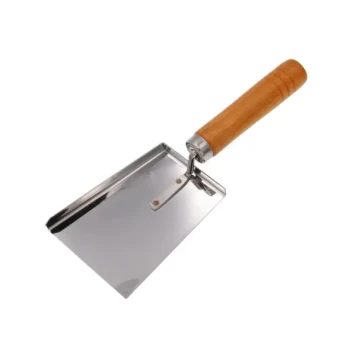
- Stainless Steel Pollen Shovel with Wooden Handle
- HONESTBEE Professional Hive Top Bee Feeder Feeding Solution
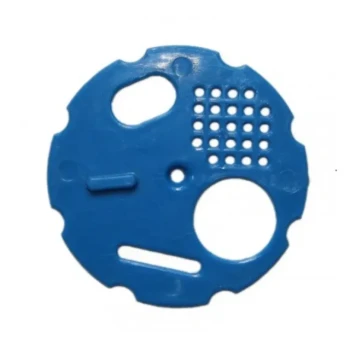
- Stainless Steel Round Beehive Air Vents for Ventilation
- Professional Reversible Beehive Hive Entrance
- Heavy-Duty Ergonomic Grip Galvanized Pollen Shovel
People Also Ask
- How do bee pollen collection tools affect the quality of bee pollen used in functional dairy ice cream production?
- Why should commercial apiaries focus on the collection of diversified bee products? Maximize Your Hive’s Profit Potential
- How does a specialized pollen collector facilitate the harvesting of diverse bee products? Automate High-Value Yields
- What is the impact of pollen collectors and associated equipment on the cost structure of pollen production? Maximize ROI
- What is the technical significance of using specialized cutting tools for propolis? Master Precision Pollen Harvesting