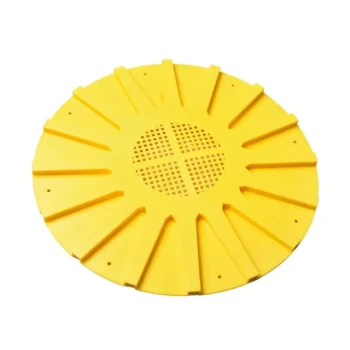
To maintain a bee pollen trap effectively, you must focus on protecting the physical equipment and actively managing the collection process. Essential practices include painting wooden traps to withstand the elements and clearing pollen buildup regularly to prevent packing and overfilling. Crucially, you must remove or disable the trap when not in use to prevent pest infestations and severe equipment fouling.
Core Takeaway: Maintenance is not just about cleaning; it is about timing and hive health. The most critical error to avoid is leaving a trap installed on a dying colony, which invites small hive beetles and wax moths that can ruin both the equipment and the harvest.
Preserving the Physical Structure
Weatherproofing Wooden Components
If your pollen trap is made of wood, painting is a mandatory maintenance step. Unprotected wood will degrade quickly when exposed to rain, sun, and fluctuating temperatures.
A proper coat of paint seals the material against moisture. This simple step significantly extends the longevity and structural integrity of the trap.
Managing Pollen Buildup
You must clear the trap regularly to prevent pollen from packing. When pollen is left too long, it can compress, making it difficult to harvest and potentially damaging the collection drawer.
Regular clearing also prevents overfilling. If the collection area becomes too full, the trap ceases to function correctly and may obstruct the bees or damage the harvested pellets.
Operational Maintenance and Hygiene
Controlling the "On/Off" Status
A pollen trap should not be a permanent, passive fixture. If you are not actively collecting bee pollen, the trap must be removed or switched to the 'off' position.
Leaving a trap active when not in use is inefficient. It adds unnecessary complexity to the hive entrance without providing any benefit to the beekeeper.
Preventing Pest Infestations
Pests are a major threat to unmaintained traps. Accumulated pollen is a food source that attracts unwanted insects.
You must be vigilant about colony health while a trap is installed. If a colony dies out with a trap still attached, the resulting infestation of small hive beetles and wax moths will create a significant mess.
Understanding the Risks and Trade-offs
The Consequence of Infrequent Harvesting
While the primary reference emphasizes clearing to prevent packing, supplementary data clarifies the biological risk: mold.
Fresh pollen is moisture-rich. If you delay maintenance or harvesting, that moisture can lead to rapid mold growth, rendering the harvest useless and potentially contaminating the trap.
Mechanical Integrity vs. Bee Safety
The trap relies on a physical barrier with precise apertures to strip pollen without harming the bee.
Poor maintenance, such as allowing the grid to become clogged with debris or propolis, compromises this function. A dirty or damaged trap can physically harm the bees or fail to collect pollen effectively.
Making the Right Choice for Your Goal
To ensure your equipment lasts and your operation remains sanitary, prioritize your actions based on your current objective:
- If your primary focus is Equipment Longevity: Ensure all wooden surfaces are painted and sealed before the season begins to prevent rot and warping.
- If your primary focus is Pest Control: Remove the trap immediately if you suspect the colony is weakening or dying to prevent a wax moth or beetle takeover.
- If your primary focus is Product Quality: Clear the trap frequently to prevent packing and mold growth, ensuring the pollen remains loose and fresh.
Consistent maintenance protects your investment and ensures the safety of the colony providing the harvest.
Summary Table:
| Maintenance Practice | Frequency | Primary Benefit |
|---|---|---|
| Painting & Sealing | Pre-season / Annually | Prevents wood rot and structural warping |
| Clearing Pollen | Daily / Regularly | Prevents packing, overfilling, and mold growth |
| Pest Monitoring | Weekly | Avoids small hive beetle and wax moth infestations |
| Trap Removal | When not in use | Reduces hive stress and prevents equipment fouling |
| Grid Cleaning | Monthly / As needed | Ensures bee safety and maintains collection efficiency |
Maximize Your Harvest with HONESTBEE Professional Equipment
Maintaining your gear is only half the battle—starting with high-quality tools is the other. HONESTBEE provides commercial apiaries and distributors with a comprehensive range of durable beekeeping machinery and essential consumables. From precision-engineered pollen traps to industrial-grade honey-filling machines, we empower your business with the tools needed for a high-yield operation.
Ready to upgrade your apiary’s efficiency? Contact us today to explore our wholesale catalog and discover how our expertise can drive your success.
Related Products
- 30 cm Plastic Entrance Hole Bee Pollen Trap and Collector
- Removable Plastic Pollen Trap With Ventilated Tray for Bees Pollen Collector
- Plastic Bee Pollen Trap Strips Comb Catcher Collector
- High-Efficiency Diamond Maze Bee Escape for Clearing Supers
- HONESTBEE Professional Telescopic Pole Bee Swarm Catcher
People Also Ask
- What are the design principles and advantages of pollen traps in the collection of bee pollen? Boost Your Apiary Yield
- Why is frequent harvesting of bee pollen from traps necessary for quality control? Ensure Freshness and Prevent Mold.
- How often should bee pollen be harvested from a trap and why? Master Freshness and Prevent Spoilage
- What function do pollen traps serve in quantitative collection? Boost Your Apiary's Data & Production Efficiency
- What is the primary function of bee pollen traps? Optimize Your Pollen Harvest with Advanced Extraction Efficiency