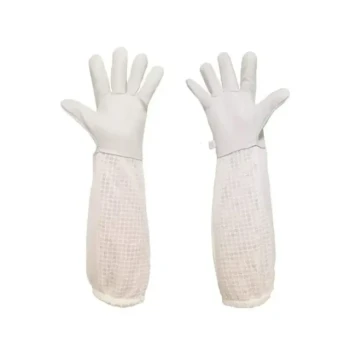
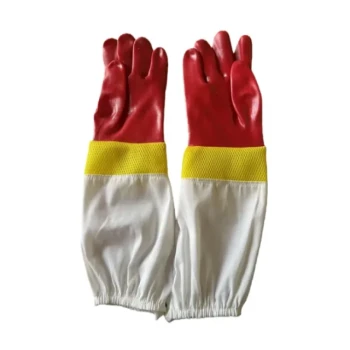
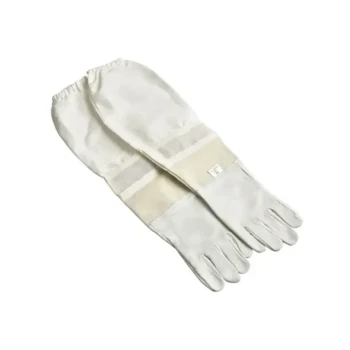
Ventilated beekeeping gloves are specialized protective gear designed to mitigate the physical stress of working in high temperatures. They combine standard protective materials, such as leather or tough synthetics on the hand, with a distinctive mesh panel near the wrist to facilitate airflow and reduce moisture accumulation.
Beekeeping requires a delicate balance between protection and physical endurance; ventilated gloves solve the problem of overheating and slippery grip caused by sweat, but they sacrifice some durability and complete sting immunity in the mesh areas to achieve this.
Design and Core Features
Hybrid Material Construction
Ventilated gloves are typically constructed from a combination of materials. The hand portion is made from leather (such as cowhide or goatskin) or synthetic alternatives to provide direct sting protection.
The Ventilation Panel
The defining feature of these gloves is a mesh panel located near the wrist. This permeable section breaks the seal of traditional full-leather gloves, allowing air to circulate freely around the arm and hand.
Gauntlet Style Fit
Like traditional beekeeping gloves, ventilated models usually feature a gauntlet base that extends to the elbow. This is often secured by an elastic band to ensure a tight seal over the wearer’s suit or jacket.
The Advantages of Ventilation
Reduced Heat Stress
The primary benefit is the reduction of heat buildup. By allowing heat to escape, these gloves prevent the hands from becoming uncomfortably hot, which is a common issue with full leather gear in summer climates.
Improved Moisture Control
Sweaty hands can lead to a loss of dexterity and a slippery grip on hive tools and frames. Ventilated materials prevent moisture buildup, ensuring a secure grip is maintained throughout the inspection.
Enhanced Focus and Safety
Comfort impacts decision-making. Beekeepers suffering from overheating are more likely to rush an inspection, leading to mistakes. By keeping the beekeeper cool, these gloves promote patience and more efficient, safer work.
Lightweight Feel
Compared to traditional, heavy-duty leather gloves, ventilated options are significantly lighter. This reduces fatigue in the arms and shoulders during long sessions in the apiary.
Understanding the Trade-offs
Compromised Durability
Ventilated gloves are generally not as durable as full leather gloves. The mesh material is inherently more fragile than hide, making it susceptible to tearing or snagging on hive equipment or vegetation.
The "Mesh Risk" Factor
While the leather hand portion blocks stings effectively, the mesh panel introduces a vulnerability. It is possible for bees to sting through the mesh area, particularly if the fabric is pressed tight against the skin.
Reduced Mechanical Protection
Thick leather gloves offer substantial protection against scrapes, cuts, and general injuries. Ventilated gloves, due to their lighter construction and mesh components, may not offer the same level of defense against rough physical hazards.
Making the Right Choice for Your Goal
Select your gear based on your specific environment and the temperament of your apiary.
- If your primary focus is working in extreme heat: Prioritize ventilated gloves to maintain a secure grip and prevent heat-induced fatigue, which allows for safer, calmer inspections.
- If your primary focus is maximum durability and longevity: Stick to traditional full-leather gloves, as the mesh panels on ventilated models will degrade faster under heavy use.
- If your primary focus is absolute sting prevention: Avoid ventilated models, as the mesh area presents a potential entry point for stings that solid leather does not.
The right equipment is not just about armor; it is about sustaining the comfort required to work your hives with precision and care.
Summary Table:
| Feature | Ventilated Gloves | Traditional Leather Gloves |
|---|---|---|
| Material | Leather palm with mesh wrist panel | Full leather construction |
| Breathability | High; prevents sweat and overheating | Low; retains heat and moisture |
| Sting Protection | High on palms; Moderate on mesh | High throughout entire glove |
| Durability | Moderate; mesh can snag or tear | High; resistant to wear and punctures |
| Grip & Dexterity | Improved by moisture control | Can become slippery when sweaty |
| Best For | Hot climates and long inspections | High-temperament bees and heavy labor |
Elevate Your Beekeeping Operations with HONESTBEE
At HONESTBEE, we understand that commercial apiaries and distributors require more than just gear—they need reliability and performance. Our comprehensive wholesale offering includes everything from ventilated protective clothing and specialized hardware to advanced honey-filling machines.
Whether you are scaling your commercial apiary or stocking your distribution business, we provide the full spectrum of beekeeping tools, machinery, and honey-themed cultural merchandise designed to enhance efficiency and comfort. Experience the HONESTBEE advantage today.
Contact Our Wholesale Team Now
Related Products
- Premium Ventilated Goatskin Beekeeping Gloves with Full 3-Layer Mesh Sleeve
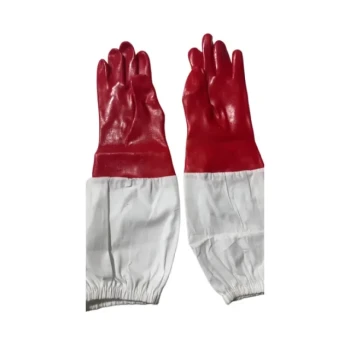
- Heavy Duty Red Rubber Beekeeping Gloves with Vented Mesh Cotton Sleeves
- Goatskin Leather Beekeeper Gloves with Vent Long Sleeve for Beekeeping Honey Bee Sting Proof Protection
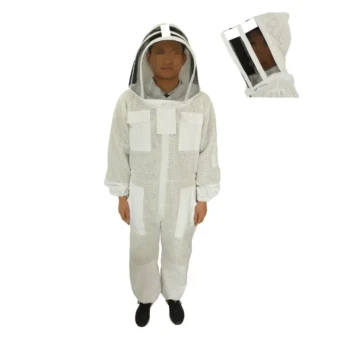
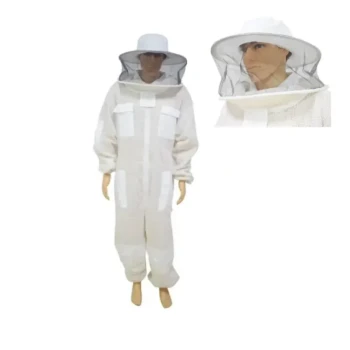
- Vented Beekeeping Jacket with Hood and Veil for Beekeepers
- Three-Layer Ventilated Beekeeper Suit with Structured Fencing Veil
People Also Ask
- What are the differences between cow leather and goat leather for beekeeping gloves? Protection vs. Dexterity
- Which type of gloves provide the most sting resistance? The Definitive Guide to Beekeeping Hand Protection
- What are beekeeping gloves? Essential Protection for Safer Hive Management
- When might a beekeeper decide to work without gloves? Master Hive Finesse and Dexterity
- Why is cleaning beekeeping gloves necessary? Vital Steps for Apiary Biosecurity and Hive Management