The primary difference between cow and goat leather is a trade-off between maximum protection and maximum dexterity. Cow leather is thicker, stronger, and smoother, offering the highest level of durability and sting resistance but with reduced flexibility. Goat leather is naturally softer and more pliable, providing immediate comfort and superior tactile feel, though with a textured grain that can trap debris.
Core Insight: Your choice depends entirely on whether you prioritize "impenetrable armor" or "precision handling." Cowhide offers a heavy-duty shield against aggressive hives, while goatskin provides the fine motor control necessary for delicate inspections.
Durability and Protection Standards
The Cowhide Advantage
Cowhide is generally the thickest option available for beekeeping gloves. Because of this density, it offers the highest level of protection against bee stings.
Physical Resilience
Beyond stings, cow leather excels at protecting your hands from physical hazards. Its toughness creates a reliable barrier against wood splinters from rough hive boxes and frames.
Long-Term Wear
Cow leather is built for heavy-duty tasks. It is exceptionally durable and maintains its structural integrity over time, making it a long-lasting investment for rough work.
Dexterity and Operational Comfort
The Goatskin Advantage
Goat leather is prized for being soft and pliable right out of the package. Unlike cowhide, it does not require a significant break-in period to feel comfortable.
Precision Handling
Because goatskin is more flexible, it offers a superior fit. This allows for better dexterity, making it easier to perform fine motor tasks like marking queens or carefully lifting frames without crushing bees.
Stiffness Constraints
Cow leather is significantly stiffer. While it softens over time, the initial lack of flexibility can make detailed manipulation of hive components clumsy and difficult.
Texture and Maintenance
Surface Grain
Cow leather typically features a smoother, more uniform grain. This slicker surface is generally easier to wipe down.
Dirt Retention
Goat leather has a more pronounced grain texture. While this adds character, the uneven surface tends to hold more dirt and propolis than the smoother finish of cowhide.
Understanding the Trade-offs
Heat Management
Regardless of the leather type, neither material breathes well. Both cow and goat leather gloves can be hot to wear, potentially causing discomfort during long inspections in the summer heat.
The Dexterity Sacrifice
While cowhide is the safer option for preventing stings, its thickness creates a functional barrier. You must accept that choosing maximum protection will result in a loss of tactile sensitivity.
Making the Right Choice for Your Goal
Select your material based on your experience level and the temperament of your bees.
- If your primary focus is absolute protection: Choose cow leather for a thick, heavy-duty barrier that minimizes the risk of stings and splinters.
- If your primary focus is precision and feel: Choose goat leather for immediate flexibility that allows you to handle equipment and queens with greater sensitivity.
The best glove is the one that balances your need for safety with the ability to work your hive effectively.
Summary Table:
| Feature | Cow Leather (Cowhide) | Goat Leather (Goatskin) |
|---|---|---|
| Protection Level | Maximum (Thicker, sting-resistant) | Moderate (Thinner, more flexible) |
| Dexterity | Lower (Stiffer, requires break-in) | Superior (Soft, high tactile feel) |
| Surface Texture | Smooth and uniform grain | Pronounced, pebbled grain |
| Best For | Aggressive hives & heavy-duty work | Precision tasks & queen handling |
| Maintenance | Easier to wipe clean | Tends to trap dirt and propolis |
Elevate Your Beekeeping Supply with HONESTBEE
Are you looking for high-quality protective gear to satisfy your professional apiary or wholesale clients? At HONESTBEE, we specialize in providing commercial apiaries and distributors with premium beekeeping solutions. From high-durability cowhide and goatskin gloves to advanced hive-making machinery and honey-filling equipment, our comprehensive portfolio is designed to enhance efficiency and safety.
Partner with us to access:
- A full spectrum of wholesale beekeeping tools and hardware.
- Professional-grade machinery for large-scale operations.
- Essential consumables and honey-themed cultural merchandise.
Ready to scale your business with the industry's most reliable equipment? Contact our wholesale team today to discuss bulk pricing and customized solutions tailored to your needs!
Related Products
- Beekeeping Gloves Goatskin Leather with Long Cotton Sleeve for Beekeepers
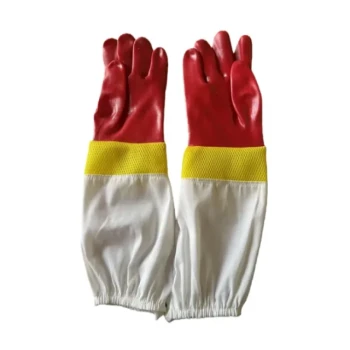
- Heavy Duty Red Rubber Beekeeping Gloves with Vented Mesh Cotton Sleeves
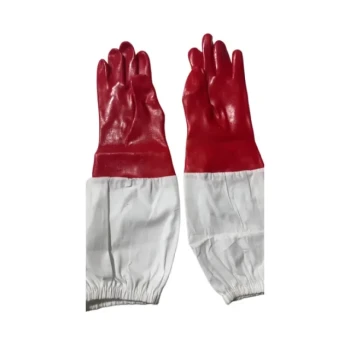
- Heavy Duty Red Rubber Beekeeping Gloves with Extended Pure Cotton Sleeves for Beekeepers
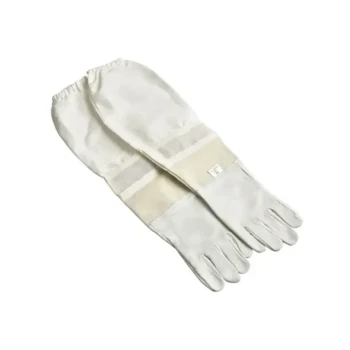
- Goatskin Leather Beekeeper Gloves with Vent Long Sleeve for Beekeeping Honey Bee Sting Proof Protection
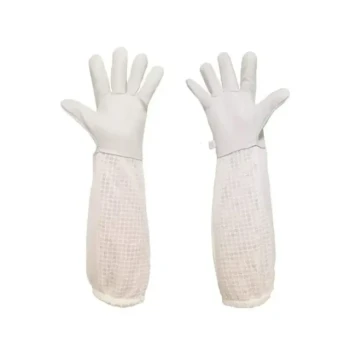
- Premium Ventilated Goatskin Beekeeping Gloves with Full 3-Layer Mesh Sleeve
People Also Ask
- What are the characteristics of the best gloves for beekeeping? Choose Protection & Dexterity
- What are the primary purposes of using beekeeping gloves? Protect Your Hands and Ensure Apiary Hygiene
- What types of gloves are available for beekeeping? Choose the Right Protection for Your Hive
- Why is it important for beekeepers to wear gloves? Essential Safety and Confidence for Hive Management
- Why do some experienced beekeepers opt not to wear gloves? Discover the Benefits of Tactile Precision