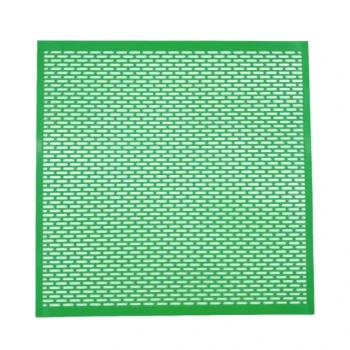
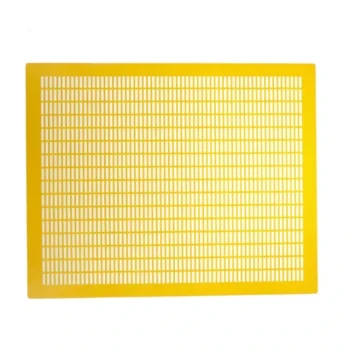
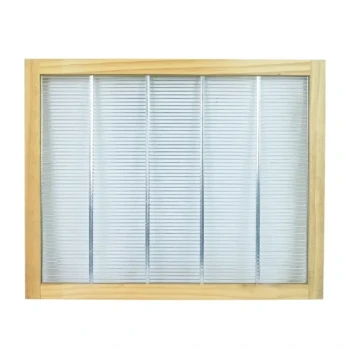
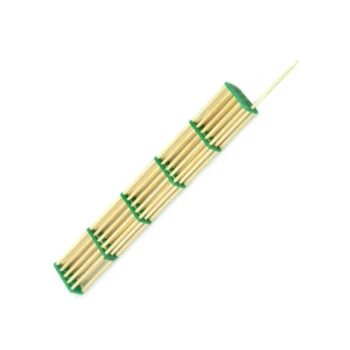
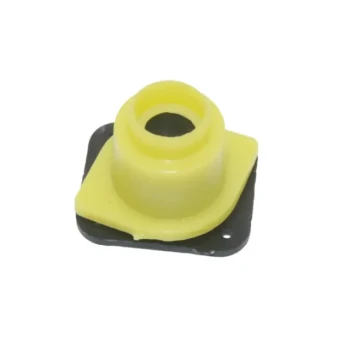
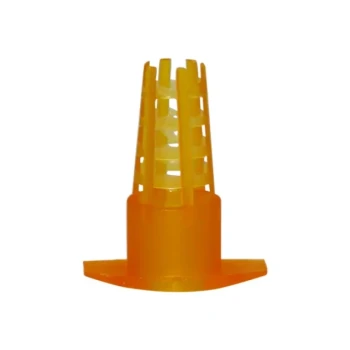
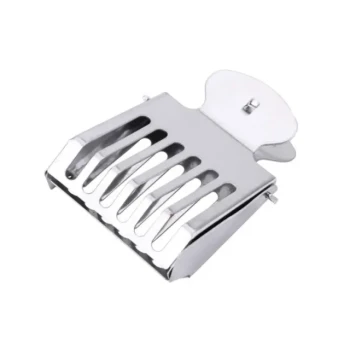
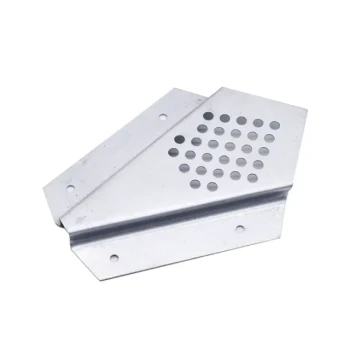
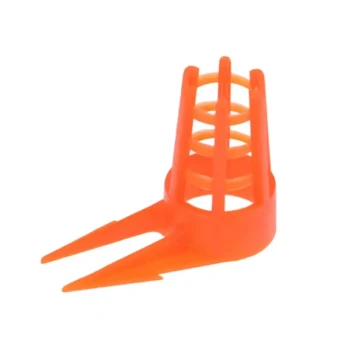
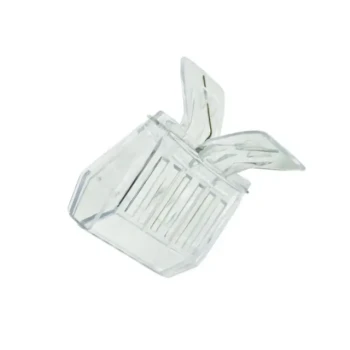
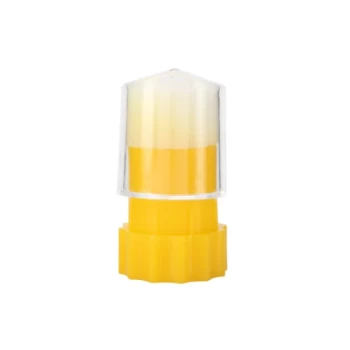
Queen excluder-based isolators function as selective containment units. They utilize materials with precise gap dimensions to physically confine larger drones to specific brood frames while permitting smaller worker bees to pass through freely. This mechanism is critical for maintaining drones in a controlled environment during their sexual maturation phase without depriving them of necessary care.
By acting as a biological filter, these isolators solve the problem of sample contamination. They ensure that every drone sampled for research is of a verified age and has been exposed to a specific, controlled colony environment.
The Mechanics of Selective Containment
Exploiting Physical Dimorphism
The fundamental operation of the isolator relies on the size difference between castes. The device is constructed with mesh or grid materials featuring gaps specifically sized to block the larger thorax of a drone.
Unrestricted Worker Access
While drones are trapped, the gaps are large enough for worker bees to enter and exit without hindrance. This "semi-permeable" design is distinct from total isolation, as it maintains the social connection between the subject and the colony.
Supporting Drone Biological Requirements
Sustained Nutritional Care
Drones generally do not forage for themselves and rely on nurse bees for food. Because the isolator allows workers to pass through, the confined drones continue to receive feeding and grooming.
Controlled Sexual Maturation
Drones require a specific post-emergence period to become sexually mature. The isolator keeps them contained within the specific colony environment necessary for this physiological development, preventing them from drifting to other hives or flying off prematurely.
Ensuring Experimental Precision
Guaranteeing Sample Age
In research, knowing the exact age of a subject is often non-negotiable. By preventing drones from leaving the frame after emergence, researchers can recover samples with absolute certainty regarding their age in days.
Preventing Sample Loss
Without physical isolation, drones naturally fly out for mating flights or drift between colonies. The isolator eliminates this variable, ensuring that the specific genetic stock or experimental group remains available for study when needed.
Understanding the Trade-offs
Dependency on Hive Health
Because confined drones cannot escape, they are entirely dependent on the worker population for survival. If the colony becomes stressed or aggressive, the confined drones may be neglected or attacked without a means of escape.
Spatial Limitations
Isolators restrict movement to a very small area relative to the hive. Overcrowding within the isolator can lead to stress or physical damage to the drones if the density is not carefully managed by the researcher.
Making the Right Choice for Your Goal
To maximize the effectiveness of these tools in your research, consider the specific data points you require.
- If your primary focus is developmental biology: Prioritize isolators to secure drones immediately upon emergence to track precise physiological changes over time.
- If your primary focus is genetic preservation: Use the isolator to prevent specific genetic lines from mixing with the general population before controlled instrument insemination or sampling.
Successful drone research relies on balancing strict physical containment with the biological needs of the subject.
Summary Table:
| Function | Mechanism | Research Benefit |
|---|---|---|
| Selective Containment | Exploits physical size dimorphism | Prevents sample loss & cross-colony drifting |
| Biological Maintenance | Allows worker bee access through mesh | Ensures drones receive feeding & grooming |
| Age Verification | Traps drones post-emergence | Guarantees precise age for developmental studies |
| Controlled Maturation | Maintains drones in hive environment | Supports physiological development for insemination |
Elevate Your Commercial Apiary with Professional Solutions
At HONESTBEE, we understand the precision required for successful bee breeding and research. We provide a comprehensive range of high-quality beekeeping tools, specialized hardware, and hive-making machinery designed for commercial apiaries and distributors.
Whether you need advanced drone research equipment or industrial honey-filling machines, our portfolio offers the reliability your operation demands. Partner with HONESTBEE today to access premium wholesale equipment and essential industry consumables.
Contact our team for a custom quote
References
- Krystyna Czekońska, Jerzy Samborski. Quality of honeybee drones reared in colonies with limited and unlimited access to pollen. DOI: 10.1007/s13592-014-0296-z
This article is also based on technical information from HonestBee Knowledge Base .
Related Products
- High Performance Plastic Queen Excluder for Beekeeping and Apiary Management
- Professional Plastic Queen Excluder for Modern Beekeeping
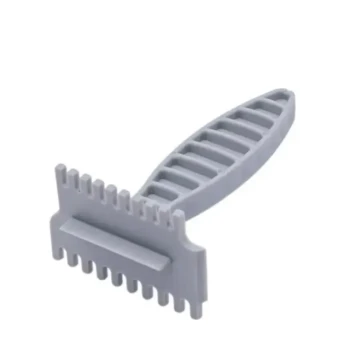
- Lightweight Durable Plastic Queen Excluder Scraper for Beekeeping
- Metal Queen Bee Excluder for Beekeeping
- Premium Wood Framed Metal Wire Queen Bee Excluder
People Also Ask
- What are the characteristics of a plastic queen excluder? Key Benefits for Cost-Effective Beekeeping
- What are the operational and cost advantages of using plastic queen excluders over metal or wire excluders in commercial hive management? Discover how they reduce labor, prevent wing damage, and lower total costs.
- What types of queen excluders are available for beekeepers? Choose the Right Tool for Your Hive
- Why are standardized hive frames and queen excluders essential for maintaining honey purity and quality? Scale Your Purity
- Do plastic queen excluders work? A Cost-Effective Solution for Modern Apiaries