Queen rearing frames and removable cell bars serve as the structural backbone of scalable apiary operations. The frame acts as a standardized chassis to secure large numbers of artificial queen cell cups within the hive, while the removable bars provide the modularity required to graft, inspect, and manipulate specific rows of cells without disrupting the entire frame or colony.
By decoupling the cell holder from the main frame, this system transforms queen rearing from a manual, disruptive task into a high-efficiency industrial workflow. It allows for high-density production while maintaining the delicate environmental stability required for larval development.
The Function of the Queen Rearing Frame
The queen rearing frame, often referred to as a Doolittle frame in industrial settings, is the foundational hardware for mass production. It converts a standard honey frame slot into a specialized nursery.
Structural Support and Integration
The primary function of the frame is to provide a rigid interface between the artificial cups and the hive. It fits seamlessly into standard 10-frame equipment, allowing technicians to place developing queens directly into the center of a "finishing colony"—a nutrient-rich environment populated by nurse bees.
Centralized Nursing and Density
By utilizing a double-bar or triple-bar structure, these frames allow for the centralization of nursing resources. Instead of scattering queen cells across a hive, beekeepers can arrange approximately 45 cups within a single frame. This high density optimizes the use of internal hive space and ensures the nurse bees’ efforts are focused on a specific zone.
Standardization for Quality Control
The frame creates a controlled environment that mimics natural swarming conditions but eliminates improved variations. By fixing cups at specific intervals, the frame ensures that every developing queen receives a consistent level of temperature regulation and space, which is critical for minimizing developmental anomalies.
The Role of Removable Cell Bars
While the frame provides stability, the removable cell bars provide the operational flexibility necessary for commercial workflows.
Modular Grafting Operations
The removable bar is the key to efficiency. It allows the beekeeper to detach a single row of cups for grafting (transferring larvae) without removing the heavy main frame or disturbing other rows. This modularity significantly reduces the labor intensity of the grafting process.
Inspection and Handling
Removable bars facilitate the safe handling of delicate larvae. Technicians can lift a single bar to inspect acceptance rates or health without shaking the frame, which could damage the developing pupae.
Application of Protection Devices
As detailed in the primary reference, these bars allow for the easy installation of protection devices (such as hair roller cages) around individual cells. This is essential as the queens near emergence, preventing the first emerged virgin queen from destroying her rivals on the same bar.
Understanding the Trade-offs
While these tools are essential for scaling production, they introduce specific management challenges that must be acknowledged.
Resource Dilution Risk
The high density facilitated by multi-bar frames can lead to resource dilution. If the "finishing colony" does not have an overwhelming population of nurse bees and abundant royal jelly, the quality of the resulting queens may suffer because the colony cannot support 45+ simultaneous larvae.
Mechanical Vulnerability
The modular nature of the system introduces a risk of mechanical damage. Every time a bar is removed for inspection or grafting, there is a slight risk of jarring the larvae or altering the temperature of the cells, which can affect survival rates if not handled with precision.
Making the Right Choice for Your Goal
Selecting the right configuration of frames and bars depends on your specific production targets.
- If your primary focus is maximum volume (Royal Jelly/Queens): Utilize frames with a double or triple-bar structure to maximize the number of cups per hive, ensuring the colony is heavily supplemented with nurse bees.
- If your primary focus is scientific consistency or premium quality: Use single-bar configurations or reduced cup density to eliminate nutritional competition and ensure uniform development backgrounds.
Success in queen rearing ultimately relies on using these modular tools to balance high-volume production with the biological needs of the individual larvae.
Summary Table:
| Component | Primary Function | Key Benefit |
|---|---|---|
| Queen Rearing Frame | Structural chassis for cell cups | Centralizes nursing resources and optimizes hive space. |
| Removable Cell Bar | Modular handling of cell rows | Allows for precise grafting and inspection without colony disruption. |
| Cell Cups | Receptacle for larvae | Standardizes queen development environment. |
| Protection Devices | Isolation of mature cells | Prevents virgin queens from destroying rivals upon emergence. |
Scale Your Queen Rearing Operation with HONESTBEE
At HONESTBEE, we specialize in empowering commercial apiaries and distributors with high-efficiency beekeeping solutions. Whether you are seeking precision queen rearing frames, honey-filling machines, or a full spectrum of beekeeping tools and consumables, our comprehensive wholesale offering is designed to drive your success.
Why partner with us?
- Industrial Efficiency: Our hardware, from hive-making machinery to specialized queen rearing tools, is built for scalability.
- End-to-End Supply: From essential hardware to honey-themed cultural merchandise, we are your one-stop industry partner.
- Quality Guaranteed: We provide the durability and precision required to maintain biological stability in large-scale operations.
Ready to enhance your apiary's productivity? Contact our expert team today to discuss your wholesale needs.
References
- Ajay Sharma, Anju Sharma. Evaluation of priming media and queen cup material on larval graft acceptance and queen emergence in Apis mellifera L.. DOI: 10.22271/j.ento.2020.v8.i4q.7268
This article is also based on technical information from HonestBee Knowledge Base .
Related Products
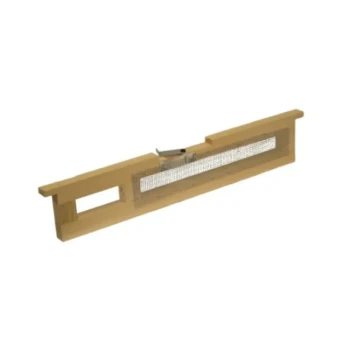
- JZBZ Langstroth Queen Rearing Frame for Beekeeping
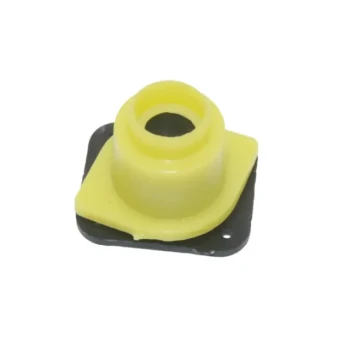
- Premium Nicot Style Cell Bar Holder and Queen Cell Cup Holder System
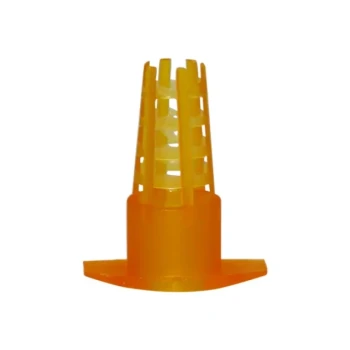
- JZBZ Style Shipping Cell Protector for Queen Rearing Kit
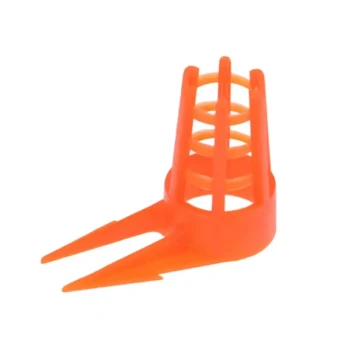
- JZBZ Style Push-In Cell Protector for Professional Queen Rearing Kits
- JZBZ Type Wide Base Plastic Queen Cell Cups for Base Mounting and Queen Rearing
People Also Ask
- Why use finishing colonies for queen cell capping? Secrets to Superior Queen Quality and Performance
- How do queen rearing frames and grafting needles function together? Master the Doolittle Method for High-Quality Queens
- What is the purpose of queen rearing frames? Master Controlled Queen Production for Your Apiary
- What are the functions of queen rearing frames and artificial queen cells? Master Bee Genetic Improvement
- What roles do professional queen rearing frames and artificial queen cells play? Scaling Your Queen Bee Production