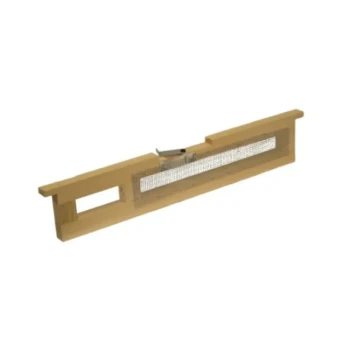
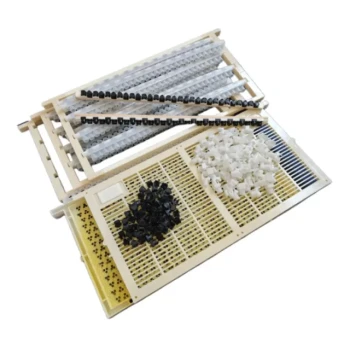
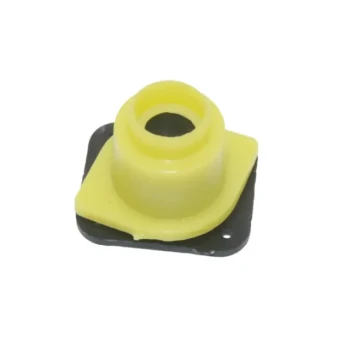
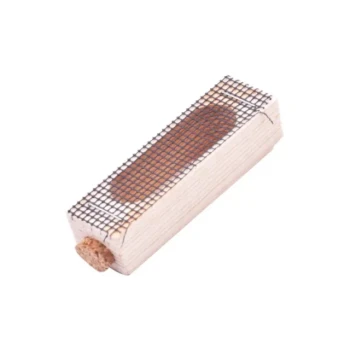
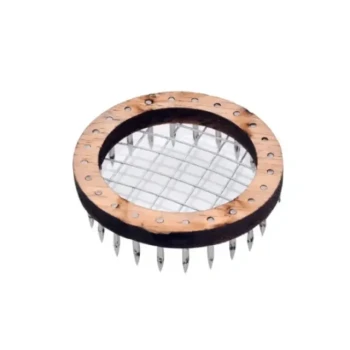
Professional queen rearing frames and artificial queen cells act as the foundational hardware for the scalable artificial queen rearing process. These components serve a dual purpose: the artificial cells mimic natural biological structures to trigger worker bees into rearing queens, while the frames provide the standardized mechanical support necessary for grafting, monitoring, and managing development on a commercial scale.
Core Takeaway The efficiency of mass queen production relies on bridging biological instinct with industrial standardization. Artificial cells induce the colony to secrete royal jelly by simulating natural queen cups, while rearing frames transform chaotic hive activity into a modular, manageable production line.
The Biological Trigger: Artificial Queen Cells
The primary role of the artificial queen cell is to interact with the colony's natural instincts.
Mimicking Natural Geometry
Artificial queen cells are designed to replicate the specific shape and orientation of natural queen cups. This structural mimicry is essential to induce worker bees to recognize the transferred larvae as potential queens.
Inducing Royal Jelly Secretion
Once the workers accept the artificial shape, they are triggered to secrete royal jelly. This nutritional support is critical, as it allows the larvae to undergo the anatomical transformations required to develop into fertile queens.
Standardized Development
By utilizing standardized wax or plastic cups, beekeepers ensure a consistent physical environment for every larva. This uniformity helps produce high-quality queens with similar characteristics, avoiding the irregularities often found in natural emergency cells.
The Structural Backbone: Queen Rearing Frames
While cells handle the biology, the rearing frame handles the logistics of mass production.
Enabling Large-Scale Operations
Rearing frames provide a fixed interface that can hold dozens of queen cells simultaneously. This allows beekeepers to manage production in a modular way, scaling from single-hive operations to industrial breeding involving hundreds of queens.
Facilitating the Grafting Process
These frames are integral to methods like the Doolittle system, where 24-hour-old larvae are grafted into the cups. The frame structure holds the cups securely, allowing for rapid, precise transfer of larvae without damaging fragile tissues.
Streamlining Management and Monitoring
Frames allow for the batch movement of developing queens between "starter" and "finisher" colonies. They also simplify the final collection of virgin queens, making it easy to remove and cage individuals without disrupting the rest of the hive.
Understanding the Trade-offs
While this hardware is essential for efficiency, it introduces specific challenges that must be managed.
Dependence on Colony Resources
The hardware alone cannot guarantee quality; it essentially increases the demand on the colony. Loading a frame with dozens of artificial cells requires a massive population of nurse bees to provide sufficient royal jelly for all larvae.
Nutritional Bottlenecks
Because the frames concentrate so many developing queens in one space, local nutrition can become a limiting factor. Beekeepers must often place feeders directly outside these frames to ensure nurse bees have the energy required to maximize royal jelly production.
Making the Right Choice for Your Goal
How you utilize these tools depends on the scale and intent of your apiary operations.
- If your primary focus is Commercial Scale: Prioritize high-capacity industrial frames that maximize the number of cells per cycle to increase colony replacement efficiency.
- If your primary focus is Genetic Quality: Focus on the ratio of nurse bees to artificial cells on the frame to ensure every larva receives maximum royal jelly saturation.
By combining the biological inducement of artificial cells with the logistical organization of rearing frames, you turn a complex natural event into a predictable agricultural process.
Summary Table:
| Component | Primary Role | Key Functional Benefit |
|---|---|---|
| Artificial Queen Cells | Biological Mimicry | Triggers workers to secrete royal jelly and accept grafted larvae. |
| Queen Rearing Frames | Structural Logistics | Provides modular support for grafting and high-capacity batch management. |
| Standardized Cups | Uniform Development | Ensures consistent queen quality and physical growth environments. |
| Grafting Interface | Process Precision | Enables rapid, safe transfer of 24-hour-old larvae for mass rearing. |
Scale Your Queen Rearing Operations with HONESTBEE
Maximize your apiary’s productivity by moving from chaotic natural cells to a streamlined production line. HONESTBEE specializes in supporting commercial apiaries and distributors with a comprehensive range of professional beekeeping tools. From high-capacity queen rearing frames and precision artificial cells to honey-filling machinery and specialized hive-making equipment, we provide the hardware you need to succeed at scale.
Partner with HONESTBEE today for premium wholesale beekeeping supplies.
References
- Longtao Yu, Xiaobo Wu. High-Quality Queens Produce High-Quality Offspring Queens. DOI: 10.3390/insects13050486
This article is also based on technical information from HonestBee Knowledge Base .
Related Products
- JZBZ Langstroth Queen Rearing Frame for Beekeeping
- Portable Bee Mating Hive Boxes Mini Mating Nucs 8 Frames for Queen Rearing
- Professional Wooden Requeening Frame for Beekeeping
- Automatic Heat Preservation 6 Frame Pro Nuc Box for Honey Bee Queen Mating
- Jenter Queen Rearing Kit Complete Set for Bee Breeding
People Also Ask
- Why use finishing colonies for queen cell capping? Secrets to Superior Queen Quality and Performance
- How do queen rearing frames and grafting needles function together? Master the Doolittle Method for High-Quality Queens
- What is the purpose of queen rearing frames? Master Controlled Queen Production for Your Apiary
- What are the functions of queen rearing frames and artificial queen cells? Master Bee Genetic Improvement
- What role do professional queen rearing frames play? Master Genetic Selection & Colony Replenishment