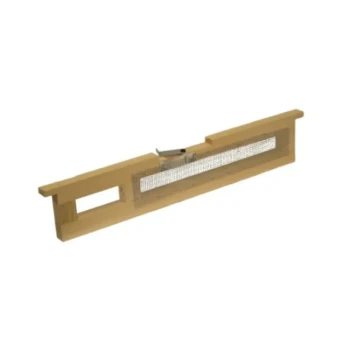
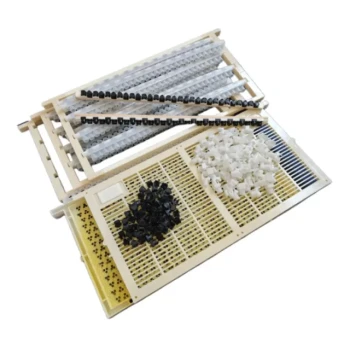
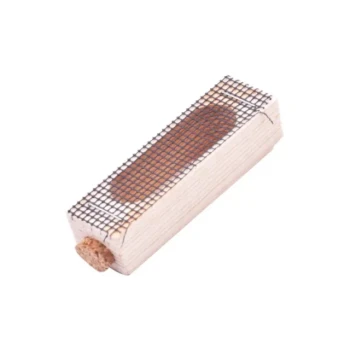
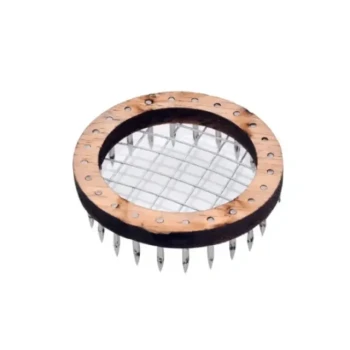
Queen rearing frames and artificial queen cells serve as the structural foundation for controlled genetic selection in modern beekeeping. These tools function as specialized vessels for manual larval grafting, allowing beekeepers to simulate natural queen cups and guide the colony to rear new queens. By utilizing this equipment, you convert the biological impulse of reproduction into a systematic process for generating high-productivity queens from specific, superior genetic lines.
The Core Insight Natural colony reproduction is often unpredictable and genetically random. By introducing queen rearing frames and artificial cells, you shift from passive management to active genetic engineering, enabling the mass "cloning" of desirable traits—such as high honey production and gentleness—while ensuring consistent physiological quality in your stock.
Transforming Biology into Engineering
Facilitating Precise Genetic Selection
In a natural setting, a colony replaces a queen based on survival needs, often without regard for traits the beekeeper values. Artificial queen cells allow you to intervene by manually grafting larvae from a specific "mother" colony that exhibits superior traits.
This process enables the propagation of specific genetics, such as reduced aggression or hygienic behavior. By placing these grafted larvae into the frames, you effectively standardize the genetic baseline of your apiary.
Enabling Rapid Colony Multiplication
The primary reference highlights that this equipment is vital for "rapid colony multiplication." Instead of waiting for a colony to swarm naturally, these frames allow for the simultaneous rearing of dozens of queens.
This scalability transforms queen rearing from a biological event into a production schedule. It allows for the systematic replacement of aging queens, preventing the natural decline associated with older genetic stock.
Optimizing Physiological Quality
Concentrating Nutritional Resources
The physical structure of grafting frames and wax cups is designed to trigger a specific response from worker bees. When placed in a queenless "nursing" colony, these tools induce the workers to concentrate their secretion of royal jelly into the artificial cups.
This massive influx of nutrition is critical. It ensures that the developing larvae receive the support necessary to develop superior egg-laying capacities and high physiological quality.
Standardizing Larval Development
Using the Doolittle method, professional frames provide a standardized physical space for 24-hour-old larvae. Unlike natural cells, which can vary in location and quality, artificial cells ensure every potential queen has identical room to grow.
This standardization leads to consistency. It minimizes the variables in development, ensuring that the resulting virgin queens are uniform in size and potential.
Understanding the Trade-offs
The Necessity of Technical Skill
While these tools offer control, they require precision. The references note that tools like grafting needles must be used to move delicate larvae safely; improper handling can damage the larvae or fail to trigger the workers' acceptance of the artificial cell.
Dependency on Colony Resources
The equipment alone does not create quality queens; it only directs the colony's energy. If the "nursing" colony is not strong or lacks sufficient resources to secrete abundant royal jelly, even the best artificial cells will result in inferior queens.
Making the Right Choice for Your Goal
To effectively utilize these tools for genetic improvement, align your usage with your specific apiary objectives:
- If your primary focus is Production Stability: Use these frames to implement a schedule of regular queen replacement, preventing the genetic degradation that comes with aging colonies.
- If your primary focus is Trait Isolation: Utilize artificial cells to mass-produce daughters from a single breeder queen who exhibits specific traits like disease resistance or high foraging activity.
- If your primary focus is Rapid Expansion: Leverage the high-capacity nature of queen rearing frames to produce large batches of queens simultaneously for splitting colonies.
By treating queen rearing frames not just as hardware, but as a control mechanism for biological resources, you ensure sustainable, high-yield beekeeping operations.
Summary Table:
| Feature | Function in Genetic Improvement | Key Benefit |
|---|---|---|
| Artificial Queen Cells | Standardized vessel for manual larval grafting | Enables selective breeding from superior mother colonies |
| Queen Rearing Frames | Organizes dozens of cells in a single hive space | Allows for mass production and rapid apiary expansion |
| Royal Jelly Concentration | Induces nursing bees to focus nutritional resources | Ensures high-quality physiological development of queens |
| Doolittle Method Support | Provides uniform environment for 24-hour larvae | Guarantees consistent queen size and egg-laying capacity |
Scale Your Apiary with Professional-Grade Equipment
At HONESTBEE, we specialize in empowering commercial apiaries and distributors with the tools needed for advanced genetic management. Our comprehensive wholesale catalog includes everything from high-precision queen rearing frames and artificial cells to advanced honey-filling machines and specialized hive-making hardware.
Whether you are looking to isolate specific traits like disease resistance or scale your operations through rapid colony multiplication, our premium beekeeping tools and industry consumables ensure your success. Contact us today to discuss your wholesale needs and discover how our expertise can drive your beekeeping productivity forward.
References
- Margarita Rosales González, Amada Rubio Herrera. Apicultura y organizaciones de apicultores entre los mayas de Yucatán. DOI: 10.19130/iifl.ecm.2010.35.27
This article is also based on technical information from HonestBee Knowledge Base .
Related Products
- JZBZ Langstroth Queen Rearing Frame for Beekeeping
- Portable Bee Mating Hive Boxes Mini Mating Nucs 8 Frames for Queen Rearing
- Professional Wooden Requeening Frame for Beekeeping
- Automatic Heat Preservation 6 Frame Pro Nuc Box for Honey Bee Queen Mating
- Jenter Queen Rearing Kit Complete Set for Bee Breeding
People Also Ask
- Why use finishing colonies for queen cell capping? Secrets to Superior Queen Quality and Performance
- How do queen rearing frames and grafting needles function together? Master the Doolittle Method for High-Quality Queens
- What is the purpose of queen rearing frames? Master Controlled Queen Production for Your Apiary
- What roles do professional queen rearing frames and artificial queen cells play? Scaling Your Queen Bee Production
- What role do professional queen rearing frames play? Master Genetic Selection & Colony Replenishment