The use of traditional hand tools such as axes and knives for wild honey harvesting inflicts severe, permanent physical trauma on the host trees. This method relies on cutting into the tree trunk to access the hive, causing direct mechanical damage that compromises the tree's protective barriers and structural integrity.
Core Takeaway The physical impact of using crude tools extends far beyond the immediate harvest; it creates lasting wounds that threaten the tree's survival. By breaching the wood, these tools expose the tree to biological threats and structural failure, ultimately destroying the very asset required for sustainable agroforestry.
The Mechanics of Tree Trauma
Creating Permanent Wounds
When harvesters use axes or knives to extract honey from tree cavities, they create permanent wounds in the wood. Unlike minor surface abrasions, these deep cuts penetrate the bark and underlying tissue, which the tree cannot easily heal or seal over.
Compromising Structural Integrity
The removal of wood to widen an opening or access a deep hive physically weakens the trunk. This mechanical damage alters the load-bearing capacity of the tree, creating specific points of weakness that did not exist previously.
The Biological Consequences
Increased Susceptibility to Pests
The wounds created by hand tools act as an open invitation to pests. By stripping away the protective outer layers, the tree becomes highly susceptible to infestation by wood-boring insects and other organisms that thrive in damaged timber.
A Pathway for Disease
Open cuts serve as direct entry vectors for pathogens. Fungi, bacteria, and viruses can bypass the tree's immune system through these tool-inflicted wounds, leading to infections that can rot the tree from the inside out.
Understanding the Long-Term Risks
Vulnerability to Environmental Stress
The physical degradation caused by axes makes trees significantly less resilient during adverse weather. There is a documented increase in the risk of structural failure during storms, where weakened trunks are more likely to snap or collapse under wind pressure.
Destruction of Agroforestry Assets
Trees are critical components of the ecosystem and valuable agroforestry assets. By using destructive harvesting tools, the method inadvertently threatens the health and longevity of the tree, potentially killing the host and eliminating the possibility of future honey harvests from that location.
Making the Right Choice for Sustainability
While traditional methods are established, understanding their physical toll is essential for long-term resource management.
- If your primary focus is forest health: Prohibit the use of cutting tools on tree trunks to maintain the natural barriers against pests and diseases.
- If your primary focus is sustainable yields: Preserve the structural integrity of host trees to ensure they survive storm seasons and remain viable for future colonization.
Protecting the tree today ensures the resource exists tomorrow.
Summary Table:
| Physical Impact | Biological Consequence | Long-Term Risk to Agroforestry |
|---|---|---|
| Deep Mechanical Wounds | Pathogen Entry & Fungal Infection | Tree Mortality & Resource Depletion |
| Bark/Tissue Removal | Wood-Boring Insect Infestation | Loss of Ecosystem Services |
| Structural Weakening | Compromised Immune Response | High Risk of Collapse During Storms |
Modernize Your Harvest with HONESTBEE
Traditional methods that damage your forest assets are a thing of the past. At HONESTBEE, we empower commercial apiaries and distributors with advanced, sustainable solutions. From specialized hive-making and honey-filling machinery to a complete spectrum of professional beekeeping tools and industry consumables, we provide everything you need to scale your production without compromising environmental health.
Ready to elevate your beekeeping business? Contact HONESTBEE today for wholesale inquiries and expert equipment solutions.
References
- Chukwuemeka Uzoma Okoye, Agwu E. Agwu. Factors Affecting Agroforestry Sustainability in Bee Endemic Parts of Southeastern Nigeria. DOI: 10.1080/10549810701879685
This article is also based on technical information from HonestBee Knowledge Base .
Related Products
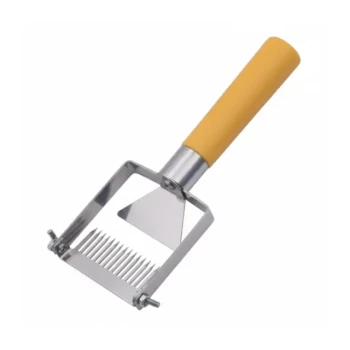
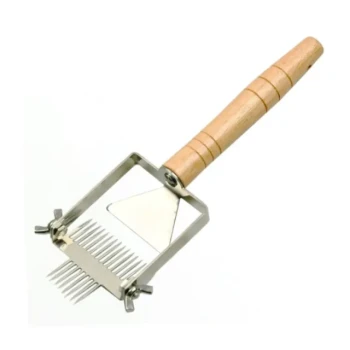
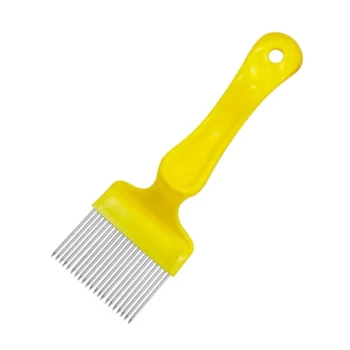
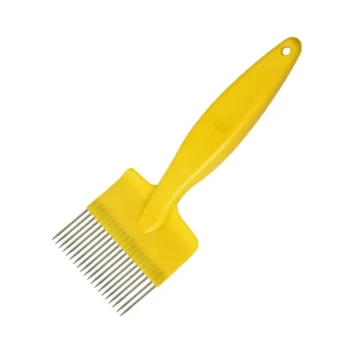
- Adjustable Stainless Steel Honey Uncapping Fork with Plastic Handle for Beekeeping
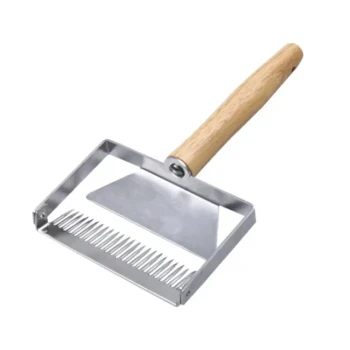
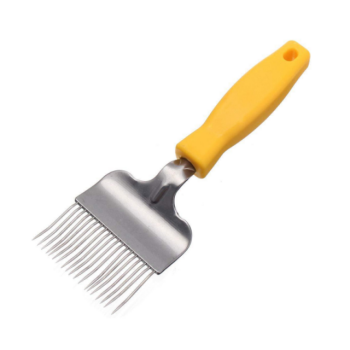
- All-Stainless Steel Pivoting Honey Uncapping Fork for Beekeeping
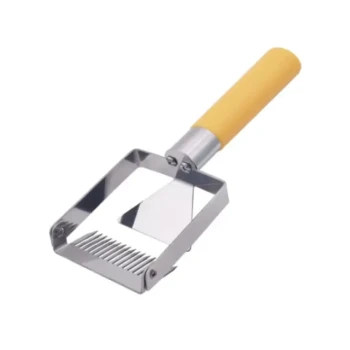
- Stainless Steel Pivoting Honey Uncapping Fork with Plastic Handle
- Professional Honey Uncapping Roller for Efficient Harvesting
- Professional Stainless Steel Pry-Bar Hive Tool
People Also Ask
- What is the design purpose of honey uncapping forks and honey uncapping tanks? Maximize Your Harvest Efficiency
- How does a honey uncapping fork supplement the use of an uncapping knife? Boost Your Honey Yield and Extraction Efficiency
- What are the essential tools for uncapping honey frames? Choose the Right Tool for Your Apiary
- What other tools are available for honey uncapping besides knives? Find the Right Tool for Your Apiary's Scale
- What tools are used for honey uncapping? Choose the Right Knife for Your Harvest