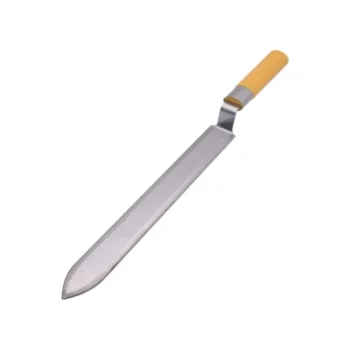
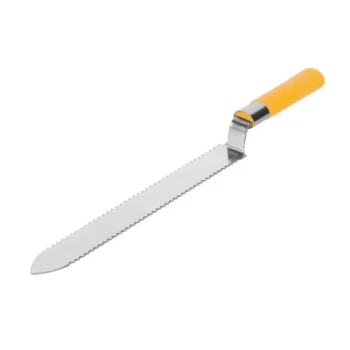
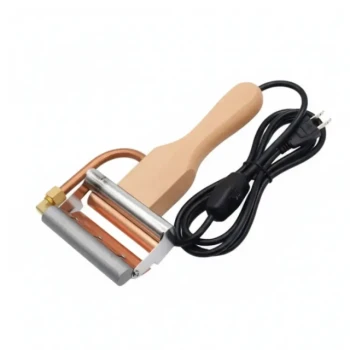
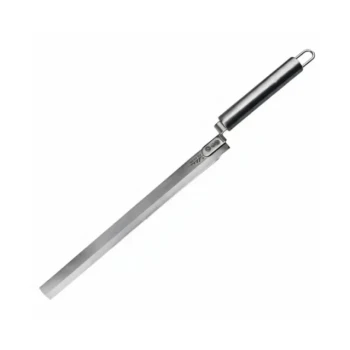
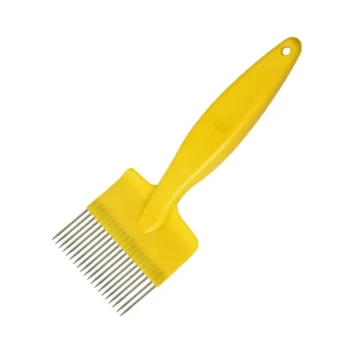
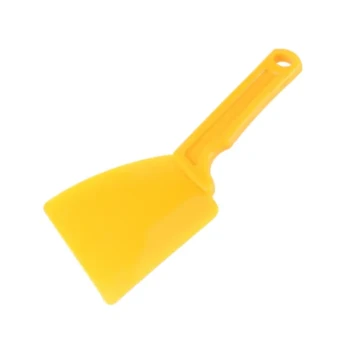
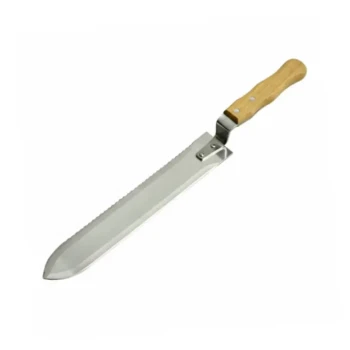
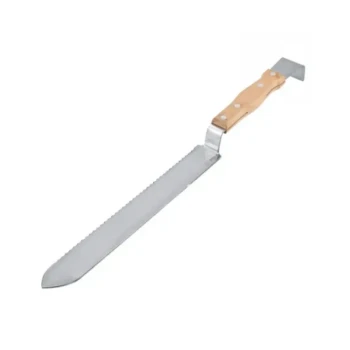
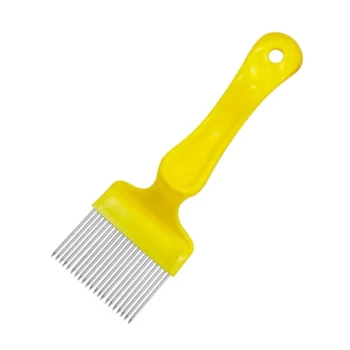
The impact is direct and often detrimental. While honey harvesting knives are valued for being low-cost and efficient tools in traditional settings, their use frequently undermines colony sustainability due to a lack of precision. The primary negative effect is accidental mechanical damage, which often results in the injury or death of larvae and pupae, directly hindering the colony's natural reproduction and population growth.
The use of simple harvesting knives presents a critical conflict between immediate harvest efficiency and long-term colony viability. By inadvertently destroying the brood during honeycomb removal, these tools can suppress population growth rates and threaten the biological continuity of the hive.
The Mechanics of Impact on Colony Health
The Precision Deficit
Honey harvesting knives are blunt instruments relative to the delicate structure of a beehive. Unlike specialized machinery or standardized frames, these knives rely heavily on manual control.
This lack of precision makes it difficult to separate honey stores from the brood nest without error. In traditional systems, where comb structures may be irregular, the risk of slicing into vital areas increases significantly.
Direct Trauma to the Brood
The most immediate sustainability issue is the physical destruction of the next generation of bees. The primary reference highlights that larvae and pupae are frequently casualties of the harvesting process.
When a knife cuts through a section of comb containing brood, it causes immediate mechanical damage. This is not merely a loss of resources; it is a direct reduction in the workforce that will sustain the colony in the coming weeks.
Suppression of Population Growth
A sustainable colony relies on a consistent reproduction rate to replace aging foragers. When harvesting knives disrupt this cycle, the colony faces a setback.
The colony must divert energy to clean up damaged cells and rear new brood to replace those killed. This negatively impacts population growth rates, potentially leaving the colony too weak to thrive or defend itself effectively.
Understanding the Trade-offs
Efficiency vs. Biological Needs
There is a distinct trade-off between the low cost of traditional knives and the biological needs of the honeybee. Knives allow for rapid harvesting with minimal financial investment, which is appealing in traditional or wild honey gathering.
However, this short-term efficiency ignores the biological integrity of the superorganism. The "cost" is transferred to the bees, who pay with their population numbers and overall health.
Traditional Hives vs. Standardized Systems
The negative impact of harvesting knives is often exacerbated by the type of hive used. Traditional, simple hives often require cutting combs out entirely, necessitating the use of knives.
In contrast, professional beehive-making machinery produces standardized hives. These modern structures are designed to allow for easier, less intrusive harvesting, reducing the reliance on crude cutting tools that compromise colony colonization rates.
Safety and Sustainability
While knives pose a risk to the bees, the lack of professional gear in traditional systems poses a risk to the beekeeper. Professional-grade tools and protective gear are necessary for high-intensity operations, especially with defensive populations.
Moving toward sustainability means transitioning from simple gathering tools to semi-artificial beekeeping practices. This evolution minimizes physical trauma to the hive and better aligns with the bees' natural requirements.
Advancing Beekeeping Sustainability
To ensure the longevity of your colonies, you must weigh the accessibility of your tools against their impact on hive biology.
- If your primary focus is low-cost traditional beekeeping: Exercise extreme caution to minimize mechanical damage, ensuring you cut only honey stores and strictly avoid the brood nest to preserve larvae.
- If your primary focus is long-term colony expansion: Transition away from reliance on knives by adopting standardized, precision-manufactured hives that allow for non-destructive harvesting and better meet biological needs.
True sustainability is achieved when the method of harvest respects the reproductive cycle that makes the harvest possible.
Summary Table:
| Impact Factor | Traditional Knife Harvesting | Modern Precision Harvesting |
|---|---|---|
| Precision Level | Low (Manual/Variable) | High (Standardized Frames) |
| Brood Safety | High risk of mechanical damage | Minimal risk of larval trauma |
| Population Growth | Frequent setbacks & energy diversion | Stable reproductive cycles |
| Cost Profile | Low initial investment | Long-term efficiency & yield |
| Hive Structure | Irregular/Wild combs | Standardized, machine-made |
| Sustainability | Low - compromises biological continuity | High - supports colony longevity |
Maximize Your Colony Success with Professional Equipment
Traditional harvesting methods shouldn't come at the cost of your bees' health. At HONESTBEE, we empower commercial apiaries and global distributors with precision-engineered solutions designed for sustainability.
Our extensive portfolio includes:
- Advanced Beehive-Making Machinery: Produce standardized hives that protect brood during harvest.
- Specialized Honey-Filling & Processing Equipment: Enhance efficiency while maintaining product integrity.
- Full-Spectrum Beekeeping Tools: Professional-grade hardware and consumables tailored for high-intensity operations.
Don't let outdated tools suppress your population growth. Contact us today to discover how our wholesale beekeeping equipment can transform your efficiency and ensure the long-term biological success of your hives.
References
- Julia Meaton, Adrian Wood. Assessing value chain interventions in Zambian and Ethiopian forest beekeeping systems. DOI: 10.1002/bsd2.136
This article is also based on technical information from HonestBee Knowledge Base .
Related Products
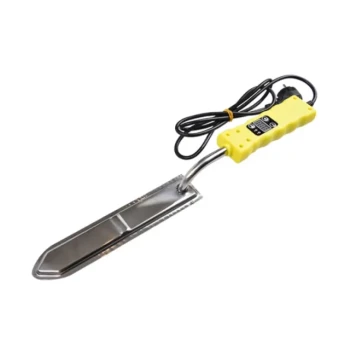
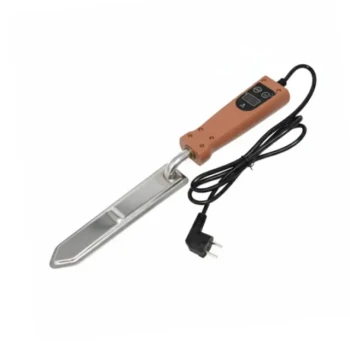
- Professional Electric Honey Uncapping Knife with Heated Digital Temperature Control for Beekeeping
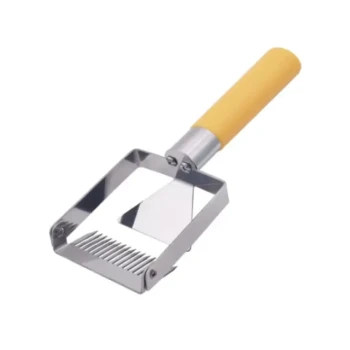
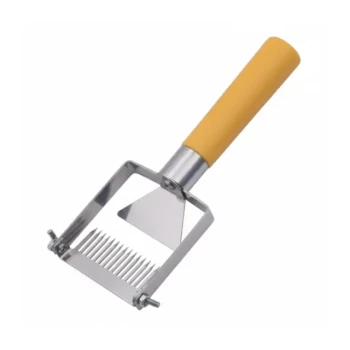
- All-Stainless Steel Pivoting Honey Uncapping Fork for Beekeeping
- Stainless Steel Pivoting Honey Uncapping Fork with Plastic Handle
- Large Size Honey Uncapping Knife and Scraper for Beekeeping
- Electric Heated Honey Uncapping Knife for Beekeeping
People Also Ask
- Why are electric honey uncapping knives essential? Boost Efficiency & Preserve Comb for Professional Honey Extraction
- What is an electric uncapping knife and how is it used? Master Faster Honey Extraction with Heat
- What are the advantages and disadvantages of using an electric knife for uncapping honey frames? Boost Extraction Speed
- What are the drawbacks of using an electric knife for uncapping honey frames? Cost and Power Constraints Explained
- How should an electric uncapping knife be utilized? Master Efficient Honey Extraction with Heated Precision