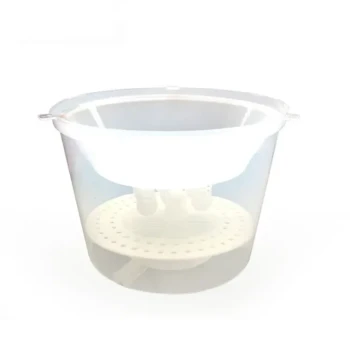
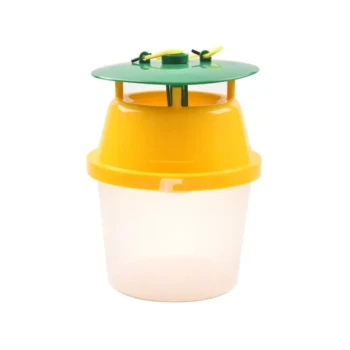
Operational challenges with certain non-disposable, oil-filled small hive beetle traps primarily stem from rigid design flaws and handling risks. specifically, many of these traps are constructed as sealed units that cannot be opened for cleaning, leading to hygiene issues. Furthermore, the reliance on liquid oil creates a significant risk of spillage into the hive or onto the beekeeper, particularly when hive boxes are removed and placed on the ground during inspections.
Core Takeaway While effective at drowning beetles, the operational friction of oil-filled traps often outweighs their utility due to the inability to remove decaying pests and the constant risk of contaminating the hive with oil during routine maintenance.
The Maintenance and Hygiene Dilemma
The "Sealed Unit" Design Flaw
A critical engineering oversight in some non-disposable traps is that they are manufactured as single, fused units.
Because they cannot be opened, you cannot effectively scrape out dead beetles or thoroughly scrub the interior.
This limits the lifespan of the trap and complicates the sanitation necessary to keep the hive healthy.
The Problem of Rancidity
When beetles die in the oil and cannot be removed, the mixture begins to rot.
This biological decay causes the oil to go rancid, creating a foul odor.
Critically, this odor can act as a deterrent, discouraging other beetles from entering the trap and rendering the device counterproductive.
Logistical Risks During Inspections
Stability When Moving Supers
The most acute operational risk occurs when you must dismantle the hive for inspection.
If a hive super containing an oil-filled trap is placed on the ground, even a slight tilt can cause the oil to leak out.
This creates an immediate mess and contaminates the wooden ware of the box.
General Handling Hazards
Beyond the risk of tipping a box, the general handling of these traps presents a constant spill hazard.
Oil can easily slosh onto the beekeeper’s hands, tools, or clothing during installation and removal.
More dangerously, accidental spills inside the hive can disrupt the colony and create a difficult cleanup scenario for the bees.
Evaluating Trade-offs: Liquid vs. Dry Media
The Limits of Oil
Oil is effectively a "wet" capture method, which is inherently unstable in a mobile environment like a beehive.
While it kills beetles, the maintenance burden of dealing with fluids often complicates standard apiary workflows.
Dry Media Alternatives
To mitigate the risks of spills and spoilage, many operators switch to dry media within the traps.
Substances like hydrolyzed lime dust or diatomaceous earth are non-toxic and kill beetles via dehydration rather than drowning.
These materials do not go rancid, produce no odors, and eliminate the risk of liquid contamination if a hive box is tipped.
Making the Right Choice for Your Goal
To select the most operationally sound method for your apiary, consider your workflow preferences below:
- If your primary focus is Ease of Maintenance: Avoid sealed-unit traps entirely and opt for designs that can be easily opened and scrubbed.
- If your primary focus is Risk Reduction: Replace vegetable or mineral oil with dry media like lime dust to eliminate the possibility of spills during inspections.
- If your primary focus is Trap Efficiency: Monitor your traps frequently to ensure dead beetles are removed before they rot and repel new pests.
Success in beetle management requires tools that integrate seamlessly into your inspection routine rather than disrupting it.
Summary Table:
| Challenge Category | Specific Issue | Impact on Apiary Operations |
|---|---|---|
| Design | Sealed Units | Impossible to clean; traps become unhygienic over time. |
| Hygiene | Rancidity | Decaying beetles create foul odors that deter other pests. |
| Handling | Oil Spillage | Tilting boxes during inspection leads to hive contamination. |
| Maintenance | High Friction | Frequent monitoring required to prevent oil from spoiling. |
| Alternative | Dry Media | Using lime dust eliminates spill risks and odor issues. |
Streamline Your Apiary Operations with HONESTBEE
Managing a commercial apiary shouldn't be complicated by inefficient tools. At HONESTBEE, we understand the operational hurdles faced by commercial beekeepers and distributors. We provide a full spectrum of professional-grade beekeeping machinery, tools, and innovative pest management consumables designed for durability and ease of use.
From advanced hive-making equipment to specialized beetle management solutions, we empower our partners with high-quality wholesale supplies that protect your colonies and your bottom line.
Ready to upgrade your equipment? Contact us today to explore our comprehensive wholesale catalog and see how our expertise can optimize your business.
Related Products
- Black Plastic Beetle Barn Hive Beetle Trap for Beehives
- Reusable Aluminium Beetle Trap for Small Hive Beetles Silver Bullet
- Removable Washable Hive Beetle Trap Attractants for Small Hive Beetles
- Reusable Clear Small Hive Beetle Traps for Beehives Beetle Trapping Tools
- Plastic Beetle Blaster Trap Beekeeping Tools and Supplies
People Also Ask
- How should powdered substances be used in beetle traps for hive beetle control? Expert Guide for Maximum Colony Protection
- What are the three main types of hive beetle traps? Expert Solutions for Protecting Your Bee Colonies
- What are the types of hive beetle traps available? Master Your Beetle Control Strategy
- What are the main types of hive beetle traps available? A Beekeeper's Guide to Effective Control
- What mechanical methods can be used to manage small hive beetles? Effective Physical Solutions for Your Beehive