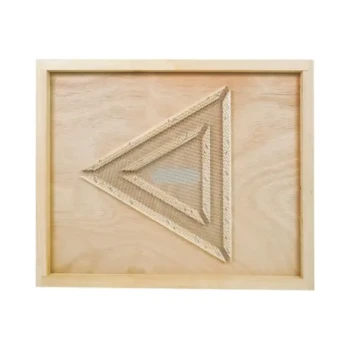
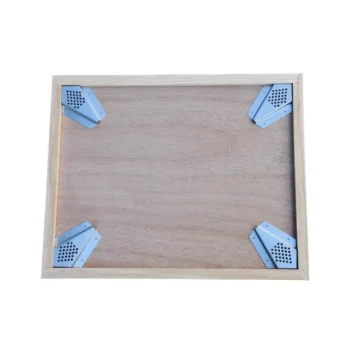
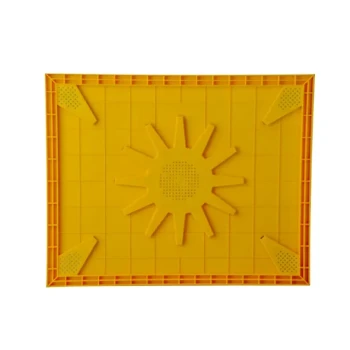
Beehive bottom board traps function as a mechanical control device designed to exploit the evasive biological behavior of Small Hive Beetles (SHB). These traps leverage the beetle's instinct to seek crevices and hiding spots to escape harassment from guard bees, luring them into a reservoir—typically filled with mineral oil—where they are trapped and drowned.
Core Takeaway: By turning the pest's survival instinct into a vulnerability, bottom board traps reduce beetle density without the use of chemical pesticides. They serve as a foundational physical control method within a broader Integrated Pest Management (IPM) strategy.
The Mechanics of the Trap
Exploiting Biological Tendencies
Small Hive Beetles naturally seek out dark corners, crevices, and "safe" zones to avoid aggression from the colony's worker bees.
Traps are designed to mimic these safe harbors. When the beetles flee the bees, they enter the trap's specific openings, believing they are finding a secure hiding spot.
The Kill Mechanism
Once inside the device, the beetles encounter a consumable agent, most commonly mineral oil.
Because the beetles cannot escape the reservoir, the oil coats them and causes them to drown. This physically removes the pest from the ecosystem of the hive.
Integration with Hive Architecture
The bottom board is the foundation of the hive, serving as the floor, landing platform, and main entrance for foraging bees.
By integrating the trap into this essential component, beekeepers place the control measure in a high-traffic area where beetles are likely to enter or attempt to hide.
The Role in Integrated Pest Management (IPM)
Physical vs. Chemical Control
IPM prioritizes methods that minimize harm to the bees and the environment.
Bottom board traps are classified as mechanical and physical controls. They physically remove the pest rather than relying on toxic substances that could contaminate wax or honey.
Reducing Pest Density
The primary goal of this device is the reduction of pest density.
By continuously capturing adult beetles, the trap suppresses the population, preventing the infestation from reaching a critical mass that would overwhelm the colony.
Understanding the Trade-offs
Maintenance Requirements
Unlike a set-and-forget chemical strip, bottom board traps require active management.
The consumable liquid (mineral oil) must be monitored and refilled to remain effective. If the reservoir dries out or becomes full of debris, the trap ceases to function.
Structural Considerations
Standard bottom boards are often tilted forward to allow rainwater to drain.
When using a trap filled with liquid, care must be taken to ensure the setup remains functional without spilling the oil, balancing the need for drainage with the need for a stable trap reservoir.
Making the Right Choice for Your Goal
To determine if bottom board traps fit your management style, consider your specific objectives:
- If your primary focus is Chemical-Free Beekeeping: Rely on these traps as a primary defense to manage beetle populations without introducing pesticides.
- If your primary focus is Low-Maintenance Management: Be aware that this method requires regular inspection of oil levels and may be more labor-intensive than chemical alternatives.
Bottom board traps provide a safe, mechanical solution that empowers beekeepers to manage pests by working with the biology of the hive rather than against it.
Summary Table:
| Feature | Mechanical Bottom Board Trap Functionality |
|---|---|
| Pest Targeted | Small Hive Beetle (Aethina tumida) |
| IPM Category | Physical / Mechanical Control |
| Mechanism | Exploits hiding instincts to lure beetles into oil reservoirs |
| Lure Agent | Food-grade Mineral Oil (non-toxic) |
| Key Benefit | Reduces beetle density without chemical contamination of wax/honey |
| Maintenance | Periodic refilling and cleaning of the reservoir required |
Elevate Your Beekeeping Operations with HONESTBEE
At HONESTBEE, we specialize in empowering commercial apiaries and distributors with high-performance beekeeping solutions. Whether you are scaling production with our honey-filling machines or seeking durable, IPM-compatible hardware like specialized beehive bottom boards, we provide the comprehensive wholesale support your business needs.
Our value to you:
- Wholesale Excellence: Full spectrum of beekeeping tools, machinery, and essential consumables.
- Industrial Efficiency: Advanced hive-making and processing equipment designed for high-volume operations.
- Market Expansion: Unique honey-themed cultural merchandise to diversify your retail offerings.
Ready to optimize your apiary’s productivity and pest management strategy? Contact us today to explore our wholesale catalog and see how our expertise can grow your business.
References
- Alhashami. A. Agleyo. Biological beetle small cell (Aethina tumida: Nitidulidae: Coleoptera ). DOI: 10.36602/jmuas.2019.v01.01.31
This article is also based on technical information from HonestBee Knowledge Base .
Related Products
- Langstroth Solid Bottom Board for Beekeeping
- Solid Bottom Board Australian Pine Wood Langstroth Bottom Board for Wholesale
- Black Plastic Beetle Barn Hive Beetle Trap for Beehives
- Langstroth Screen Bottom Board for Beekeeping Wholesale
- Reusable Clear Small Hive Beetle Traps for Beehives Beetle Trapping Tools
People Also Ask
- What are the functions of solid bottom boards for a beehive? Essential Thermal Protection and Winter Survival Tips
- What is the purpose of a solid bottom board for bee hives? Enhance Hive Health and Winter Survival
- How does climate influence the choice between a solid and screened bottom board? Optimize Your Hive for Local Weather
- What is the primary function of a bottom board in a modern modified beehive system? Essential Foundation Guide
- What are the characteristics of a solid bottom board for a beehive? Boost Colony Health and Thermal Insulation