The physical profile of commercial bee pollen substitutes is defined by industrial-grade ultrafine particle technology. These substitutes are engineered to achieve a significantly finer and more uniform texture than raw natural pollen, specifically to enhance mixing stability and ease of formulation into feed pastes. While natural pollen varies in size and shape depending on the floral source, commercial powders leverage advanced grinding to ensure a consistent, high-performance product for large-scale apiary management.
Core Takeaway: Commercial pollen substitutes prioritize physical uniformity and high mixing stability through ultrafine grinding, offering a standardized alternative to the natural variability of raw pollen. This consistency is essential for distributors managing high-volume supply chains and professional beekeeping operations.
Advanced Manufacturing and Particle Consistency
The Role of Industrial Ultrafine Grinding
Commercial substitutes undergo industrial-grade ultrafine grinding processes that reduce plant proteins, vitamins, and minerals to a microscopic scale. This precision engineering ensures that the powder is free from the clumps or irregularities often found in raw, unprocessed pollen.
Enhancing Mixing Stability
One of the primary physical advantages of these substitutes is their enhanced mixing stability. When combined with sugar water or syrups, the fine particle size allows for the creation of a homogenous paste that does not separate easily.
Uniformity for Large-Scale Operations
For professional beekeepers and resellers, physical uniformity is a critical quality metric. Unlike natural pollen, which fluctuates based on seasonal and geographical factors, commercial powders provide a predictable texture that simplifies mechanical mixing and distribution.
Compositional Differences and Material Basis
Plant Protein Foundations
The physical structure of substitutes is primarily derived from soy or vegetable-based plant proteins. These materials are selected for their ability to be ground into fine powders while maintaining a high protein-to-volume ratio suitable for colony nutrition.
Inclusion of Essential Premixes
Commercial formulations integrate vitamin and mineral premixes directly into the powder matrix. This ensures that every gram of the substitute contains a standardized distribution of nutrients, a level of consistency that is difficult to guarantee with wild-sourced pollen.
Natural Pollen Integration
High-quality premium substitutes may include 15-20% actual natural pollen. This hybrid approach combines the biological benefits of natural enzymes with the superior handling characteristics of industrially processed powders.
Understanding the Trade-offs
Biological Efficacy vs. Physical Handling
While the physical form is optimized for feeding convenience, these substitutes are still being refined to match the biological standards of natural pollen. Specifically, substitutes may lack certain micronutrients like 24-methylenecholesterol (sterols) and trace elements like zinc that occur naturally in floral sources.
Gland Development and Longevity
Natural pollen remains the gold standard for hypopharyngeal gland development and bee longevity. However, the physical ease of use and the ability to provide a stable protein source during dearth periods make substitutes a vital tool for preventing colony absconding and maintaining population levels.
Market Positioning and Sourcing Risks
Low-quality substitutes may contain zero natural pollen, relying entirely on plant-based fillers. For distributors, sourcing from a provider with deep professional industry expertise is essential to ensure the balance between physical performance and nutritional adequacy is maintained.
Choosing the Right Product for Your Portfolio
As a distributor or wholesaler, your choice of pollen substitute should align with the specific operational needs and climatic challenges of your client base. Leveraging a full-spectrum product portfolio allows you to provide solutions ranging from basic protein supplements to premium, pollen-enriched formulas.
- If your primary focus is rapid colony expansion: Prioritize high-quality substitutes with at least 15% natural pollen to ensure optimal gland development and larval rearing.
- If your primary focus is cost-effective maintenance: Opt for plant-based ultrafine powders that offer maximum mixing stability and ease of storage for large-scale supplemental feeding.
- If your primary focus is supply chain reliability: Select a sourcing partner capable of providing ultra-fast delivery and efficient order fulfillment to meet seasonal spikes in demand.
Empowering your customers with the right balance of physical consistency and nutritional value is the key to long-term success in the professional apiculture market.
Summary Table:
| Feature | Commercial Pollen Substitutes | Natural Bee Pollen |
|---|---|---|
| Particle Size | Ultrafine, industrial-grade microscopic scale | Variable size based on floral source |
| Texture | Highly uniform and consistent | Irregular, prone to clumping |
| Mixing Stability | High; creates homogenous, non-separating pastes | Lower; can be difficult to mix evenly |
| Nutritional Profile | Standardized vitamins & minerals per gram | Fluctuate seasonally and geographically |
| Handling | Optimized for mechanical mixing/distribution | Requires more manual processing |
Scale Your B2B Operations with HONESTBEE
Maximize your profit margins and ensure supply chain reliability with HONESTBEE, your premier partner for one-stop beekeeping sourcing. We cater specifically to commercial apiaries and distributors, offering a comprehensive full-spectrum product portfolio—from high-performance pollen substitutes and consumables to professional honey-filling machinery and hive-making hardware.
Why partner with us?
- Rapid Response: Exceptional customer service with deep industry expertise.
- Efficient Fulfillment: Ultra-fast delivery to meet seasonal peaks.
- Premium Trading Services: Reliable OEM/ODM support for wholesale success.
Ready to elevate your inventory? Contact HONESTBEE today for wholesale pricing and expert support!
References
- Ruonan Liang, Guiling Ding. Influence of Different Diets on Growth and Development of Eastern Honey Bee (Apis cerana). DOI: 10.3390/insects16040383
This article is also based on technical information from HonestBee Knowledge Base .
Related Products
- Plastic Bee Pollen Trap Strips Comb Catcher Collector
- 30 cm Plastic Entrance Hole Bee Pollen Trap and Collector
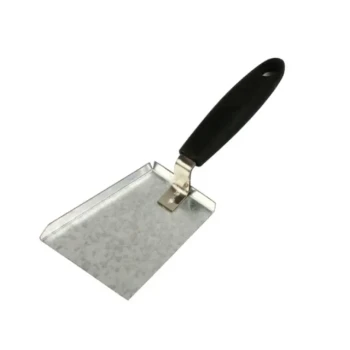
- Heavy-Duty Ergonomic Grip Galvanized Pollen Shovel
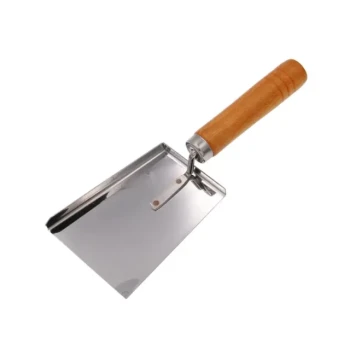
- Stainless Steel Pollen Shovel with Wooden Handle
- High-Efficiency Diamond Maze Bee Escape for Clearing Supers
People Also Ask
- For what reasons do beekeepers collect bee pollen? Boost Hive Health and Unlock New Revenue Streams
- What are the design principles and advantages of pollen traps in the collection of bee pollen? Boost Your Apiary Yield
- What are the ideal weather conditions for installing a bee pollen trap? Ensure Colony Safety with Expert Timing
- Why is frequent harvesting of bee pollen from traps necessary for quality control? Ensure Freshness and Prevent Mold.
- What are the primary functions of a standard pollen trap in research? Maximize Data Accuracy in Bee Nutrition Studies