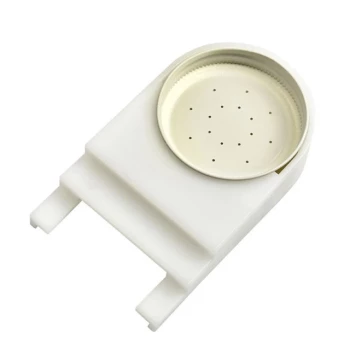
Specialized hive feeders are engineered to provide a controlled feeding interface that ensures colony safety and nutritional precision. These devices must incorporate anti-drowning mechanisms, utilize non-toxic food-grade materials, and be designed to prevent "robbing" behavior from external colonies. By maintaining a hygienic and stable environment, these feeders allow for the consistent delivery of artificial diets during nectar shortages without disrupting the hive’s internal climate.
The core design of a specialized feeder must balance high-capacity delivery with rigorous safety standards to prevent bee mortality and disease spread. For distributors, sourcing feeders that offer both ease of cleaning and precise quantitative control is essential for meeting the needs of professional apiarists.
Prioritizing Colony Safety and Hygiene
Anti-Drowning Mechanisms
Bees are highly susceptible to drowning in open liquid reservoirs. Specialized feeders use ladders, floats, or textured surfaces to provide bees with a secure footing while they access syrup.
These structural features ensure that even as the liquid level drops, the bees can safely exit the feeding area. This reduces colony loss and prevents the feed from being contaminated by dead bees.
Food-Grade Material Standards
Feeder construction must utilize non-toxic, food-grade materials to prevent chemical leaching into the artificial feed. These materials must be durable enough to withstand the high-humidity environment inside a beehive.
Using high-quality plastics or treated metals ensures that the nutritional integrity of the supplement is maintained. This is a critical selling point for B2B buyers focused on premium hive management.
Sanitation and Fungal Prevention
Artificial feeds, particularly those high in sugar, are breeding grounds for fungi and bacteria. Smooth internal surfaces and rounded corners make these feeders easy to sanitize between uses.
A feeder that is difficult to clean will eventually harbor pathogens that can compromise the health of the entire colony. Simple maintenance protocols are a hallmark of professional-grade equipment.
Optimizing Hive Behavior and Climate
Discouraging Robbing Behavior
The scent of artificial syrup can attract foragers from rival colonies, leading to "robbing" and hive-wide conflict. Internal frame feeders and secure top feeders isolate the feed source within the colony’s footprint.
By restricting access to the resident bees only, these designs prevent external stress and potential disease transmission from neighboring apiaries. This isolation is vital for maintaining colony stability.
Maintaining Internal Thermodynamics
Frequent hive inspections can disrupt the precise temperature and humidity required for brood rearing. High-capacity feeders allow for long-term supply (such as 1.0 liter every six days) without the need to open the hive.
This design philosophy supports the metabolic needs of the larvae while protecting the colony from external temperature fluctuations. Professional feeders often act as an extension of the hive's natural insulation.
Quantitative and Paste-Specific Delivery
Not all artificial feeds are liquid; many professional supplements are paste-like substitutes. Specialized feeder frames provide a stable platform that prevents these pastes from being scattered or wasted by worker bees.
Standardized delivery systems allow researchers and commercial beekeepers to provide quantitative supplies of nutrition. This precision is fundamental for evaluating the impact of external stressors on honeybee metabolism.
Understanding the Trade-offs
Capacity vs. Spoilage Risks
While larger feeders reduce the labor cost of frequent refills, they increase the risk of feed spoilage if the colony consumes it slowly. Distributors must offer a variety of sizes to match the specific strength and needs of different colonies.
Material Weight vs. Durability
Heavy-duty materials offer better longevity but can make hive management more physically demanding. Lightweight, UV-stabilized plastics are often preferred for their balance of durability and ease of handling during transport and installation.
Making the Right Choice for Your Portfolio
Sourcing a diverse range of feeding solutions allows wholesalers to address the specific environmental and operational challenges faced by their clients.
- If your primary focus is high-volume commercial operations: Prioritize top feeders with large capacities and rapid-fill features to minimize labor costs.
- If your primary focus is research and precision breeding: Source internal frame feeders that offer precise quantitative control and minimal disruption to the brood nest.
- If your primary focus is supply chain reliability: Partner with a one-stop manufacturer that provides a full-spectrum portfolio, ensuring rapid response times and consistent product quality.
Selecting feeders that combine professional-grade safety features with efficient logistics ensures a superior product experience for end-users and long-term profitability for trading partners.
Summary Table:
| Design Criteria | Core Benefit | Technical Requirement |
|---|---|---|
| Anti-Drowning | Prevents bee mortality | Ladders, floats, or textured surfaces |
| Food-Grade Material | Ensures feed purity | Non-toxic, BPA-free plastics or treated metals |
| Robbing Prevention | Protects colony resources | Internal frame isolation or secure top-entry |
| Easy Sanitation | Minimizes disease spread | Smooth internal surfaces & rounded corners |
| Thermal Control | Maintains brood health | High-capacity design to reduce hive openings |
Scale Your Beekeeping Portfolio with HONESTBEE
As a premier one-stop sourcing partner for distributors, wholesalers, and B2B resellers, HONESTBEE provides a comprehensive, full-spectrum portfolio of professional beekeeping equipment. Whether you need specialized hive feeders, hive-making machinery, or honey-filling systems, we deliver the quality and reliability your commercial clients demand.
The HONESTBEE Advantage for Trading Partners:
- High Profit Margins: Premium trading services with competitive wholesale pricing and OEM/ODM support.
- Deep Industry Expertise: Professional-grade tools designed for large-scale apiary management.
- Unmatched Logistics: Ultra-fast delivery and efficient order fulfillment to keep your supply chain moving.
- Dedicated Service: Rapid response times and exceptional support tailored to the needs of global distributors.
Ready to enhance your inventory with high-performance feeding solutions?
Contact HONESTBEE Today for a Quote
References
- P Srikala, I Geethalakshmi. Artificial diet: A novel technique for honey bee sustenance–a review. DOI: 10.14719/pst.7058
This article is also based on technical information from HonestBee Knowledge Base .
Related Products
- Professional Hive Top Bee Feeder for Beekeeping
- HONESTBEE Entrance Bee Feeder Professional Hive Nutrition Solution for Beekeeping
- HONESTBEE Professional Hive Top Bee Feeder Feeding Solution
- Professional Hive Front Entrance Bee Feeder
- Professional In-Hive Frame Bee Feeder by HONESTBEE
People Also Ask
- Do I need an inner cover with a hive top feeder? Optimize Your Hive Setup for Healthy Bees
- What is a hive top feeder? A Guide to Efficient, Low-Stress Beekeeping
- What is a hive top feeder, and how does it work? A Complete Guide to Efficient In-Hive Feeding
- What are the characteristics, advantages, and disadvantages of hive top feeders? Optimize Your High-Volume Feeding
- How does a hive top feeder work? Optimize Your Apiary's Nutrition and Security