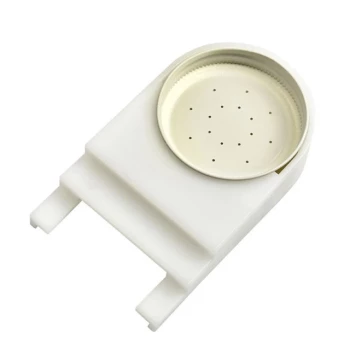
Artificial Feeding Tools serve as a critical intervention mechanism designed to precisely deliver sugar water or pollen substitutes when natural resources fail. These in-hive systems bridge the gap during droughts, extreme weather, or seasonal dearths to prevent colony starvation and maintain the hive's internal population structure.
By maintaining energy levels and reproductive momentum during scarcity, these tools ensure the colony remains populous enough to maximize the next natural flowering period rather than just surviving the dearth.
Maintaining Colony Vitality Through Resource Gaps
Ensuring Basic Survival and Retention
The most immediate function of artificial feeding is preventing colony collapse. During periods of scarcity, a lack of resources can lead to absconding, where the bees abandon the hive entirely to seek better conditions.
By providing consistent nourishment, these tools stabilize the colony's environment. This prevents mass mortality caused by starvation and keeps the colony anchored to its location.
Regulating Hive Temperature and Physiology
Bees require significant caloric energy to regulate the internal temperature of the hive. Supplemental feeding systems provide high-purity sugar or honey syrups that act as fuel for this thermoregulation.
Access to this energy source reduces physiological stress on individual bees. It ensures they have the stamina required to support basic biological activities without succumbing to exhaustion.
Preserving Reproductive Vitality
Survival is not merely about existing; it is about maintaining the ability to grow. In-hive feeders allow beekeepers to provide pollen substitutes, which are essential for brood rearing.
This ensures the queen continues to lay eggs and the colony maintains its reproductive vitality. Without this protein input, the population would dwindle, leaving the colony too weak to gather resources when natural nectar flows return.
Preparing for Future Foraging
The ultimate goal of artificial feeding is to preserve "foraging strength." A colony that barely survives a dearth with a low population cannot take advantage of the next bloom.
By maintaining a robust population through the shortage, the colony is positioned to immediately harvest nectar when the next flowering period arrives.
Understanding the Trade-offs: Delivery Method Matters
The Precision of In-Hive Feeders
The primary reference emphasizes the use of in-hive feeders. These tools allow for precise rationing and keep the food source contained within the safety of the colony.
This containment is critical for biosecurity and resource management. It allows the beekeeper to target specific hives that are struggling without influencing the entire apiary.
The Dangers of Open Feeding
While it may seem efficient to place bulk syrup in open containers (such as 5-gallon buckets) outside the hive, this practice is strongly discouraged during a nectar dearth.
Open feeding triggers robbing behavior. Highly motivated foragers will deplete the communal feeder and then aggressively target nearby hives to steal resources.
Additionally, open containers attract external pests, including ants, wasps, and hornets, which introduce further stress and danger to the apiary.
Making the Right Choice for Your Goal
To effectively manage colonies during scarcity, select your feeding strategy based on the specific biological need of the hive.
- If your primary focus is Avoiding Starvation: Prioritize high-purity sugar syrups in in-hive feeders to provide the immediate energy needed for thermoregulation and survival.
- If your primary focus is Population Maintenance: Introduce pollen substitutes to support brood rearing and ensure the colony retains the workforce needed for the next season.
- If your primary focus is Apiary Security: Strictly avoid open feeding systems to prevent robbing behavior and the attraction of predatory pests.
Effective artificial feeding turns a potentially fatal resource gap into a manageable maintenance period.
Summary Table:
| Function | Primary Goal | Delivery Method Recommended |
|---|---|---|
| Energy Supply | Prevents starvation and supports thermoregulation | In-hive syrup feeders |
| Brood Support | Maintains reproductive vitality and population | Pollen substitute trays/patties |
| Resource Security | Prevents absconding and robbing behavior | Internal feeding systems |
| Future Readiness | Ensures foraging strength for the next bloom | Targeted supplemental nutrition |
Maximize Your Apiary’s Resilience with HONESTBEE
Don't let seasonal dearths or resource gaps compromise your commercial success. HONESTBEE specializes in supporting commercial apiaries and distributors with a comprehensive range of professional beekeeping tools and machinery.
From high-precision in-hive feeding systems and hive-making machines to essential consumables and specialized honey-filling equipment, we provide the industrial-grade solutions you need to maintain hive vitality and optimize production.
Secure your colony’s future today—Contact our wholesale team now to explore our full catalog and competitive bulk pricing!
References
- Dinkar Morvadia. Entrepreneurial Constraints Faced by Beekeeper Entrepreneurs in Junagadh Districts of Gujarat. DOI: 10.56360/dijcm/3.ii.2023.2302
This article is also based on technical information from HonestBee Knowledge Base .
Related Products
- Professional In-Hive Bee Feeder HONESTBEE Frame for Beekeeping
- HONESTBEE Entrance Bee Feeder Efficient Hive Front Liquid Feeding Solution for Beekeeping
- Classic Boardman Entrance Bee Feeder Hive Front Feeding Solution
- HONESTBEE Professional Hive Top Bee Feeder Feeding Solution
- Professional Hive Top Bee Feeder for Beekeeping
People Also Ask
- When should beekeepers stop feeding their bees? Let Your Bees Tell You
- Why is the use of a beekeeping feeder for syrup supplementation important? Boost Colony Growth and Survival
- What are the common types of internal and external feeders used in beekeeping? Choose the Right Feeder for Your Hive
- What is a feeder in the context of beekeeping? Optimize Your Hive Nutrition and Growth
- How do specialized feeders contribute to effective artificial feeding? Scientific Apiary Management & Colony Health