The honeycomb serves as the central infrastructure of a beehive, acting primarily as a storage vessel for food and a nursery for new bees. This waxy foundation provides the structural integrity necessary to support the colony's daily operations and long-term survival.
The honeycomb is the multipurpose architectural foundation of the hive, simultaneously acting as a protective incubator for the brood and a high-efficiency warehouse for honey reserves.
The Dual-Purpose Architecture
The honeycomb is not merely a passive structure; it is the fundamental building block that dictates the organization of the colony.
Housing the Brood
The most critical biological function of the honeycomb is providing protective housing.
Within the hive bodies, the comb serves as a nursery where the queen lays eggs. This area allows the developing bees to grow safely from egg to larva to adult in a structurally sound environment.
Storing Energy Reserves
The second primary function is the long-term storage of resources.
Bees utilize the comb to process, cap, and store honey. This provides the colony with the fuel required to survive periods where foraging is impossible, such as winter or droughts.
Zoning Within the Hive
While the honeycomb structure is consistent, its function changes based on its location within the hive's vertical stack.
The Brood Chamber
The lower boxes, often called hive bodies, contain frames specifically dedicated to the brood.
Here, the honeycomb acts as the colony's population engine. Equipment like the slatted rack may be used here to raise the chamber, protecting the brood from drafts and encouraging the queen to utilize the entire frame.
The Honey Supers
Stacked above the brood chamber are the "honey supers," named because they are "extra" to the brood nest.
In these upper levels, the honeycomb is dedicated exclusively to surplus honey production. Bees fill these frames with nectar, cure it into honey, and cap it for future use or harvest.
Understanding the Operational Trade-offs
While honeycomb is essential, managing the structures that hold it presents specific challenges for the beekeeper.
Weight and Handling
Honeycomb filled with resources is surprisingly dense.
A single 10-frame honey super can weigh over 30 lbs when filled. This necessitates the use of shallower boxes for honey storage to ensure they remain manageable for the beekeeper.
Unwanted Construction
Bees will build honeycomb wherever space permits, not just where the beekeeper intends.
Without proper spacing or equipment like a slatted rack, bees may construct ladder comb between frames. This irregular comb disrupts ventilation and makes hive inspections difficult by connecting separate parts of the hive.
Making the Right Choice for Your Goal
How you manage the honeycomb depends on whether your priority is expanding the population or harvesting resources.
- If your primary focus is Colony Growth: Prioritize the management of the brood chamber to ensure the queen has ample, draft-free comb for laying eggs.
- If your primary focus is Honey Production: Utilize honey supers above a queen excluder to keep the upper honeycomb strictly for food storage rather than brood rearing.
The honeycomb is the skeleton of the colony; maintaining its integrity is the key to a thriving hive.
Summary Table:
| Function | Primary Location | Key Purpose |
|---|---|---|
| Brood Rearing | Lower Hive Bodies | Acts as a nursery for eggs, larvae, and pupae development |
| Food Storage | Honey Supers | High-efficiency warehouse for storing and ripening honey |
| Structural Support | Throughout the Hive | Provides the physical foundation for colony operations |
| Thermoregulation | Brood Chamber | Helps maintain consistent temperatures for young bees |
Maximize Your Colony’s Productivity with HONESTBEE
Maintaining a healthy honeycomb structure is the foundation of a successful apiary. At HONESTBEE, we specialize in supporting commercial apiaries and distributors with high-performance beekeeping tools and machinery designed to optimize hive operations.
From hive-making and honey-filling machines to durable hardware and essential consumables, our comprehensive wholesale portfolio ensures your business has the equipment needed to manage brood chambers and honey supers effectively. Whether you are scaling production or supplying the industry, our expertise brings unrivaled value to your operations.
Ready to elevate your beekeeping business? Contact us today to explore our wholesale solutions!
Related Products
- Heart-Shaped Comb Honey Frame and Honeycomb Cassette
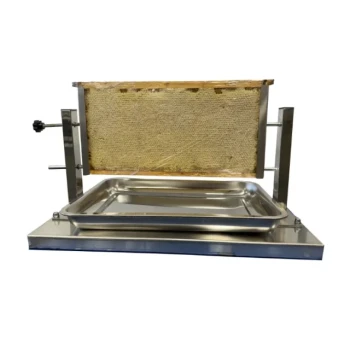
- Professional Adjustable Stainless Steel Honeycomb Display Stand
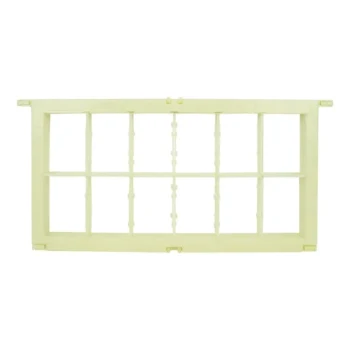
- Plastic Honey Comb Frames Cassette Box for Honey
- Hexagonal Bee Honeycomb Silicone Soap Mold by HONESTBEE
- Professional Sectional Comb Honey Frame with 250g Cassette System for Beekeeping
People Also Ask
- How are honeybee combs utilized for non-destructive colony monitoring? Master Population Density Tracking
- What is a honeycomb frame? The Key to Modern, Sustainable Beekeeping
- What is the technical purpose of exchanging honeycomb frames? Master Apiary Equalization for Growth
- What frame to use for honeycomb? Choose the Right System for Pure, Edible Comb
- What is the significance of sampling honeycomb frames and hive bottoms? A Guide to Scientific Sanitation Monitoring