Tropilaelaps mercedesae infestations can rapidly weaken commercial honey bee colonies by damaging capped brood, shortening adult bee lifespan, reducing emergence weight, and increasing viral disease pressure. Typical consequences include malformed wings, exposed or “bald” brood, declining worker populations, reduced honey yield, and—if unmanaged—colony collapse. Recommended control consumables include registered acaricides such as fluvalinate, organic treatments such as formic acid and thymol, and carefully managed sulfur or lemongrass-oil products, supported by monitoring and brood-management tools.
The main risk is not simply mite presence; it is the combined effect of brood destruction, weakened adult bees, and virus transmission. Commercial control therefore works best as an IPM program combining inspection, brood interruption or removal, approved miticides, treatment delivery equipment, and resistance management.
How Tropilaelaps Damages Honey Bee Colonies
Brood damage and reduced emergence
Tropilaelaps mercedesae feeds primarily on developing bees within capped brood cells. Infested pupae may fail to develop normally, emerge underweight, or die before emergence.
Heavy infestations can produce uncapped and exposed pupae, commonly described as bald brood. This disrupts brood pattern quality and reduces the number of healthy workers entering the colony.
Shortened adult bee lifespan
Bees that survive infestation may emerge weakened and have a shorter working lifespan. A reduced adult population can impair nursing, foraging, temperature regulation, and colony defense.
For commercial operations, this translates into weaker colonies during buildup periods and reduced capacity to support honey production.
Wing deformities and viral disease
Tropilaelaps infestation is associated with the transmission or amplification of viral pathogens, including Deformed Wing Virus (DWV). Infected or damaged bees may emerge with wing deformities and be unable to fly or forage effectively.
The combination of parasitic injury and viral infection is more damaging than either stressor alone. Mite control should therefore be viewed as part of broader colony-health management.
Faster population growth than Varroa in suitable conditions
Tropilaelaps can reproduce efficiently while brood is available. Because the mite depends heavily on capped brood, colonies with continuous brood production can allow populations to increase rapidly.
This creates a narrow intervention window, particularly in commercial apiaries operating across multiple sites or managing large numbers of colonies.
What Commercial Control Should Include
Hive inspection and mite monitoring
Before treatment, commercial operators should confirm the infestation and estimate its severity using appropriate hive inspection methods. Useful supplies include sticky boards, brood inspection tools, sampling equipment, and wash-testing materials where suitable.
Monitoring helps distinguish treatment failure from reinfestation and prevents unnecessary chemical exposure.
Brood interruption and removal
Because Tropilaelaps depends primarily on brood cells and survives only briefly without access to brood, a broodless period can be an important non-chemical control measure. Commercial methods may include temporary queen caging or removal of heavily infested brood combs.
These approaches require careful scheduling and competent hive management. They should be integrated with local beekeeping conditions, colony strength, and production calendars.
Registered chemical acaricides
Synthetic acaricides, including fluvalinate-based products, may be used where they are legally registered and labeled for the target pest and application method. Commercial buyers should source genuine, traceable products with clear instructions, batch information, and regulatory approval.
A product approved for Varroa is not automatically approved for Tropilaelaps, honey production, or every type of hive application. The product label and local authority requirements take precedence over general industry practice.
Organic-acid consumables
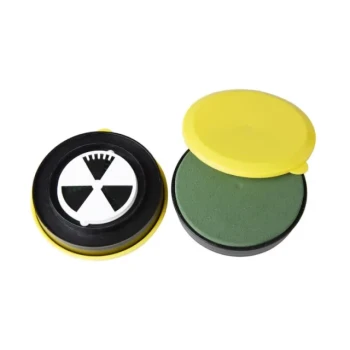
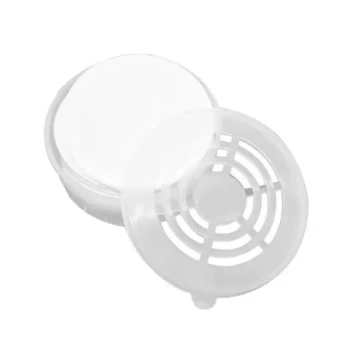
Formic acid is a commonly used organic treatment option because it can act within the hive environment and may reach mites associated with brood. Commercial consumables include formulated pads, absorbent carriers, and other purpose-designed delivery substrates.
Formic acid is temperature-sensitive and can harm bees, brood, or queens when incorrectly concentrated, overdosed, or applied during unsuitable weather. Use only approved formulations and delivery systems, rather than improvised dosing.
Thymol products
Thymol is supplied commercially as crystals, formulated pads, gels, or combination products. It is often selected where operators want an organic-derived treatment option that can be incorporated into an IPM rotation.
Its performance depends on temperature, hive ventilation, colony strength, and correct placement. Strong thymol odors can also disrupt colony behavior if application conditions are poor.
Sulfur treatments
Sulfur dust is used in some Tropilaelaps control programs, including applications associated with brood and frame areas. It is inexpensive and commercially accessible, but the margin between effective use and colony stress can be narrow.
Where sulfur is permitted, dosage must follow the approved label and local guidance. The supplementary reference identifies a maximum of 0.6 grams per comb and 3.0 grams for a standard 10-frame colony, but these figures should not replace current regulatory instructions or product-specific directions.
Lemongrass-oil delivery systems
Lemongrass oil solutions and ceramic diffusion systems provide another treatment-consumable category for commercial apiaries. They can be useful as part of a broader program, particularly when operators need alternatives to repeated synthetic acaricide use.
Essential-oil products should not be treated as automatically harmless. Concentration, evaporation rate, placement, and colony conditions still determine safety and efficacy.
Supporting Consumables for Commercial Operations
Application and dosing equipment
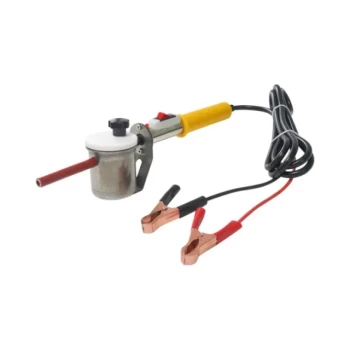
Reliable treatment depends on consistent application. Relevant supplies include absorbent pads, calibrated applicators, diffusion devices, protective packaging, measuring equipment, and hive placement accessories.
Standardized delivery reduces underdosing, overdosing, and variation between apiaries. It also makes treatment records easier to audit across a commercial operation.
Hive sanitation and maintenance supplies
Sanitary hive management can reduce reinfestation pressure and support colony recovery. Useful supplies include replacement comb, clean frames, screened or removable bottom boards, hive-cleaning equipment, and materials for isolating suspect colonies.
These products do not replace miticides, but they strengthen the overall IPM program.
Protective and handling equipment
Personnel handling acids, sulfur, synthetic acaricides, or concentrated essential oils need appropriate personal protective equipment, storage containers, labels, and spill-control materials.
Commercial distributors should provide safety data sheets and clear handling information with relevant products. Rapid fulfillment is valuable only when it is matched by correct documentation and responsible use guidance.
Understanding the Trade-offs
Synthetic products offer consistency but require resistance management
Synthetic acaricides can provide predictable control when correctly formulated and applied. However, repeated use of the same active ingredient can select for resistant mite populations and increase residue concerns.
Commercial programs should rotate treatments by mode of action, not merely switch between different brands containing the same active ingredient.
Organic treatments are not risk-free
Formic acid, thymol, sulfur, and essential oils may be preferred within residue-conscious or organic-oriented programs, but they can still injure bees and brood. Their performance is often more dependent on temperature, ventilation, colony strength, and application accuracy.
“Organic” describes a product category or production standard; it does not guarantee universal safety or effectiveness.
Treatment timing affects honey quality and compliance
Many acaricides require removal before honey supers are placed or before the main nectar flow. The supplementary reference notes an eight-week withdrawal period for some chemical treatments, but the correct interval depends on the approved product label and jurisdiction.
Commercial buyers should confirm withdrawal periods, maximum residue limits, and export requirements before ordering large volumes.
Incorrect diagnosis causes wasted treatment
Tropilaelaps, Varroa, tracheal mites, and viral diseases can produce overlapping signs, including weak colonies and abnormal brood. Treating the wrong pest can waste inventory while allowing the actual problem to intensify.
A commercial supply program should therefore pair treatment consumables with diagnostic tools and technical support.
Overreliance on one treatment increases operational risk
No single consumable provides a complete long-term solution across all apiaries. Weather, brood availability, reinfestation from neighboring colonies, resistance, and application errors can all reduce results.
The strongest programs combine monitoring, brood management, treatment rotation, sanitation, and post-treatment verification.
Making the Right Choice for Your Goal
Select products according to legal approval, target pest, colony condition, treatment timing, and the operator’s ability to apply them consistently.
- If your primary focus is rapid population suppression: Prioritize a legally registered acaricide or organic treatment with a validated delivery system, supported by pre- and post-treatment monitoring.
- If your primary focus is residue-conscious production: Evaluate approved formic-acid, thymol, sulfur, or lemongrass-oil options while confirming label restrictions and honey-flow timing.
- If your primary focus is resistance management: Build a documented rotation of different treatment modes of action rather than repeatedly purchasing one active ingredient.
- If your primary focus is distributor or wholesale supply: Stock a full program—acaricides, organic consumables, dosing tools, diagnostic supplies, PPE, and sanitation equipment—with traceability and responsive fulfillment.
- If your primary focus is protecting colony productivity: Combine mite treatment with brood interruption, infested-comb management, sanitary hive practices, and verification that mite levels have declined.
Effective Tropilaelaps control comes from treating the colony as a system: diagnose accurately, apply approved products precisely, rotate intelligently, and verify the result.
Summary Table:
| Impact | Description | Recommended Consumables |
|---|---|---|
| Brood damage | Damages capped brood, causing bald brood and reduced emergence | Registered acaricides (e.g., fluvalinate), formic acid, thymol |
| Shortened adult lifespan | Weakens bees, reducing colony population and productivity | Organic treatments, brood interruption tools |
| Viral transmission | Amplifies viruses like DWV, causing wing deformities | IPM program, monitoring tools |
| Rapid population growth | Reproduces quickly in brood-rich colonies | Treatment rotation, application equipment |
Protect your apiary from Tropilaelaps with HONESTBEE's comprehensive range of beekeeping consumables. From registered acaricides to organic acids and application tools, we supply everything you need for effective IPM. As a one-stop wholesale partner for commercial apiaries and distributors, we offer rapid response, dedicated service, and fast delivery. Contact us today to secure your supply and enhance your colony health.
Related Products
- Adjustable Formic and Acetic Acid Dispenser for Bee Mite Treatment
- Compact Circular Bee Mite Treatment Dispenser
- Oxalic Acid Vaporizer 12V for Bee Varroa Mite Treatment
- Durable 12V Oxalic Acid Vaporizer for Varroa Mite Treatment Beehive Beekeeping Tool
- 12V Bee Mite Removal Evaporator Oxalic Acid Vaporizer for Bee Fumigation Treatment 180W Atomization
People Also Ask
- How is the process regulation function of a Formic Acid Dispenser implemented? Achieve Safe, Effective Varroa Control
- Why is a specialized formic acid evaporator necessary? Ensure Safe & Effective Varroa Mite Treatment
- What role do Formic Acid Dispensers play in the biochemical control of Varroa mites? Precision Mite Management
- What is the primary function of a specialized evaporation dispenser? Master Formic Acid Varroa Control
- What is the function of specialized application devices for Varroa? Precision Control for Healthier Bee Colonies