Wireless sensors serve as the automated backbone of modern precision apiculture by capturing real-time environmental and biological data. These devices allow for the non-invasive monitoring of temperature, humidity, weight, and bee traffic, effectively digitizing the health status of a colony. By eliminating the need for frequent manual hive inspections, these sensors provide the scientific decision support necessary for large-scale, high-efficiency apiary management.
The primary role of wireless sensors is to transition beekeeping from reactive, labor-intensive manual checks to proactive, data-driven remote management. This shift ensures higher colony survival rates and optimized commercial yields through continuous, non-disruptive surveillance.
Comprehensive Environmental and Atmospheric Tracking
Real-Time Internal Climate Monitoring
Sensors primarily track temperature and humidity within the brood nest to assess the colony's thermal regulation capabilities. These metrics are critical for identifying stress responses and ensuring the hive maintains the precise conditions required for brood development.
Gas Concentration and Health Diagnostics
Advanced sensor nodes measure CO2 and O2 levels to detect abnormalities in the hive's atmosphere. Fluctuations in these gases can signal the presence of pests like Varroa mites or predators, allowing for rapid intervention before a colony is lost.
External Surroundings and Foraging Conditions
In addition to internal metrics, wireless sensors monitor the external environment, providing context for how weather patterns affect bee behavior. This dual-layer data collection helps beekeepers correlate climate shifts with colony productivity.
Biological Activity and Behavioral Analysis
Acoustic and Vibrational Intelligence
High-sensitivity accelerometers and microphones capture subtle honeycomb vibrations and acoustic signals. These inputs are used to identify "swarming signals" or colony distress, providing a window into the bees' physiological state without opening the hive.
Entrance Monitoring and Traffic Flow
Optical or capacitive sensors placed at the hive entrance automatically record the frequency of worker bee entry and exit. This data is vital for predicting peak pollination periods and evaluating the overall foraging vigor of the colony.
Non-Invasive Brood Assessment
By utilizing integrated electronic sensors, technicians can infer the internal brood status based on heat and humidity patterns. This method avoids the heat loss and physical disturbance associated with manual frame inspections, preserving the hive's natural state.
Commercial Management and Operational Efficiency
Precision Weight and Productivity Scaling
Wireless scales provide continuous data on hive weight, which serves as a direct indicator of honey accumulation and winter food stores. For commercial distributors, offering these high-precision scales is essential for clients managing thousands of hives across vast geographies.
Remote Diagnosis and Large-Scale Logistics
Data is transmitted via wireless radio frequency technology to central gateways, enabling the remote diagnosis of entire apiaries. This allows managers to optimize maintenance routes, focusing labor only on "abnormal" colonies and significantly reducing operational overhead.
Scientific Decision Support for Global Markets
The integration of sensor data into deep learning models allows for precise health predictions and survival rate improvements. For wholesalers, providing a full-spectrum portfolio of these sensors meets the growing demand for "smart" apiculture solutions in competitive markets.
Understanding the Trade-offs and Implementation Challenges
Power Management vs. Data Frequency
A primary challenge in wireless sensor deployment is the balance between battery life and transmission frequency. High-resolution acoustic monitoring requires significant power, often necessitating efficient energy-harvesting solutions or specialized low-power wide-area networks (LPWAN).
Sensor Precision vs. Cost Scalability
While high-sensitivity accelerometers offer deep insights, their unit cost can be a barrier for massive commercial operations. Wholesalers must balance their inventory between high-end diagnostic tools and cost-effective, "good enough" sensors for general monitoring.
Data Complexity and Interpretation
Raw sensor data is only valuable if it is actionable. The transition from "data collection" to "decision support" requires robust software integration, meaning hardware distributors often need to provide technical expertise to ensure clients can utilize the hardware effectively.
How to Select the Right Sourcing Strategy
Choosing the right sensor portfolio depends on your specific client base and their management goals. As a leading trading partner, we offer the deep industry expertise needed to navigate these technical requirements with rapid response times and ultra-fast delivery.
- If your primary focus is Industrial-Scale Pollination: Prioritize sourcing entrance pass monitors and hive scales to optimize logistics and verify foraging activity for contract compliance.
- If your primary focus is Colony Health and Research: Focus on integrated nodes that capture CO2, acoustics, and high-precision temperature data for deep-dive diagnostics and disease prevention.
- If your primary focus is Operational Cost Reduction: Select low-power, long-range wireless nodes (like LoRaWAN) that minimize the need for battery replacements and manual site visits.
Modern wireless sensors are the essential tools that turn traditional apiaries into high-performing, data-centric commercial assets.
Summary Table:
| Monitoring Role | Sensor Type | Key Commercial Benefit |
|---|---|---|
| Climate Tracking | Temp & Humidity Sensors | Ensures optimal brood development and thermal regulation. |
| Health Diagnostics | CO2 & O2 Gas Sensors | Early detection of pests (Varroa mites) and predators. |
| Behavioral Analysis | Acoustic & Vibrational Nodes | Identifies swarming signals without invasive hive opening. |
| Productivity Scaling | High-Precision Hive Scales | Real-time tracking of honey accumulation and food stores. |
| Activity Monitoring | Optical & Capacitive Counters | Evaluates foraging vigor and pollination contract compliance. |
Scale Your Inventory with HONESTBEE’s Smart Apiculture Solutions
Are you a distributor or B2B reseller looking to lead the market in precision beekeeping? HONESTBEE is your premier one-stop sourcing partner, offering a full-spectrum portfolio of commercial-grade beekeeping tools, specialized machinery, and advanced wireless monitoring hardware.
Why partner with us?
- Comprehensive Portfolio: From honey-filling machines to high-precision hive sensors and essential consumables.
- Reliable Supply Chain: Benefit from our deep industry expertise, OEM/ODM support, and certified product quality.
- Rapid Fulfillment: Experience ultra-fast delivery and rapid response times designed for high-volume wholesale operations.
- Professional Support: Dedicated customer service to help you select the right products for your specific market needs.
Ready to enhance your product lineup and offer your clients the future of honeybee management?
Contact HONESTBEE Today to receive our latest wholesale catalog and expert sourcing advice!
References
- V.V. Ivanyshyn, A.O. Moshensky. ONTOLOGICAL STRUCTURE AND PARAMETERS OF THE APIARY CONTROL SYSTEM MEASUREMENTS. DOI: 10.32782/2663-5941/2024.6.2/08
This article is also based on technical information from HonestBee Knowledge Base .
Related Products
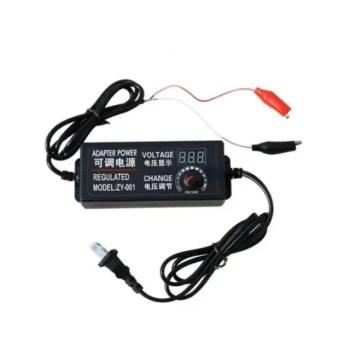
- HONESTBEE Adjustable Voltage Wire Embedder with Digital Display
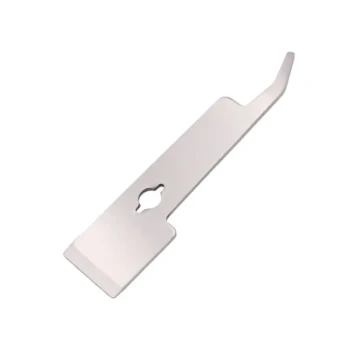
- HONESTBEE Professional Mini J-Hook Hive Tool for Beekeeping
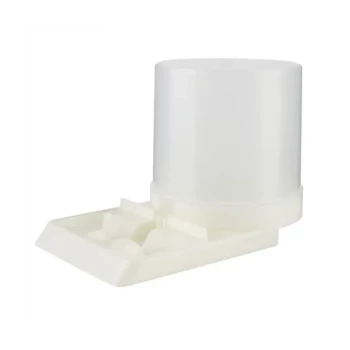
- HONESTBEE Professional Hive Top Bee Feeder Feeding Solution
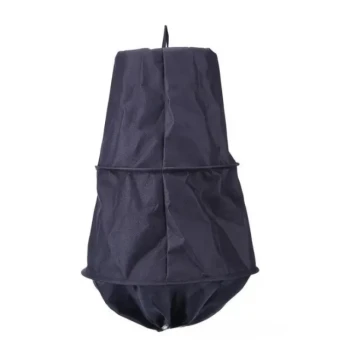
- HONESTBEE Collapsible Tiered Bee Swarm Catcher for Beekeeping
- HONESTBEE Entrance Bee Feeder Professional Hive Nutrition Solution for Beekeeping
People Also Ask
- How can combs be further strengthened? Embed Wires for Durable, High-Yield Hives
- What is an embedder in beekeeping? Essential Tool for Strengthening Wax Foundation & Hive Frames
- What are the consequences of disrupting the propolis envelope? Protect Your Beehive's Social Immunity
- Why record environmental factors for Varroa tolerance? Separate Genetics from Climate to Identify Resilient Bee Colonies
- Why must honeybee colonies be selected based on specific breed standards for nutritional studies? Key to Data Integrity