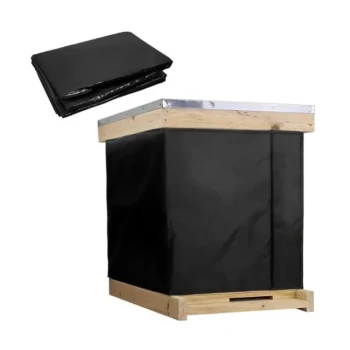
Polystyrene stands out as a highly effective insulator for beehives due to its superior thermal retention, lightweight structure, and affordability. However, its significant advantages in temperature regulation are counterbalanced by issues regarding long-term durability and environmental sustainability.
The Core Insight While traditional materials like wood are standard, High-density Expanded Polystyrene (EPS) offers up to eight times the insulating value (R-value). This drastic increase in thermal efficiency is often the deciding factor for colony survival in extreme climates, despite the material's environmental trade-offs.
The Advantages of High-Density Polystyrene
Superior Thermal Efficiency
The primary argument for polystyrene is the measurable difference in insulation capability. While a typical wooden hive has an R-value of approximately R1, polystyrene hives can achieve values around R8.
Enhanced Survival Rates
This specific material property translates to real-world results. High-density EPS offers up to 8 times the insulating value of wood, which helps stabilize the internal environment.
This thermal efficiency can significantly increase the winter survival rates of bee colonies, particularly for less robust populations that struggle to generate sufficient cluster heat.
Year-Round Protection
Insulation is often viewed solely as a winter aid, but polystyrene offers dual-season benefits. It provides a buffer against harsh winter freezes while simultaneously shielding the colony from extreme summer heat.
Operational Practicality
For the beekeeper, the physical properties of the material reduce the labor burden. Polystyrene is lightweight and easy to handle, making hive inspections physically less demanding.
Additionally, it remains an affordable option compared to some specialized, high-end wooden setups.
Understanding the Trade-offs
Durability and Degradation
Unlike well-maintained wood, which can last for decades, polystyrene has a finite lifespan. It is susceptible to degradation over time, which may compromise the structural integrity of the hive components.
Environmental Impact
The most significant downside is sustainability. Polystyrene is not a biodegradable material.
Beekeepers prioritizing eco-friendly or renewable resources often find this incompatible with their philosophy, preferring materials like straw or wood despite their lower insulation values.
Making the Right Choice for Your Goal
To determine if polystyrene is the right insulation solution for your apiary, consider your primary constraints:
- If your primary focus is colony survival in extreme climates: Prioritize polystyrene for its R8 rating and superior protection against temperature spikes.
- If your primary focus is sustainability: Avoid polystyrene in favor of renewable materials like straw or wood, accepting the need for more complex winterization methods.
- If your primary focus is ease of management: Choose polystyrene for its lightweight nature, which reduces physical strain during hive manipulation.
Ultimately, the choice relies on balancing the immediate thermal needs of your bees against your long-term environmental philosophy.
Summary Table:
| Feature | Polystyrene (EPS) | Traditional Wood |
|---|---|---|
| Insulation Value | High (Approx. R8) | Low (Approx. R1) |
| Weight | Lightweight & Easy to Handle | Heavier & Solid |
| Climate Best For | Extreme Cold/Heat | Moderate Climates |
| Durability | Finite; Susceptible to wear | Long-lasting (with maintenance) |
| Eco-Friendliness | Non-biodegradable | Renewable & Sustainable |
| Primary Benefit | Maximum Winter Survival | Environmental Sustainability |
Scale Your Apiary Success with HONESTBEE
Are you looking to enhance your colony survival rates and operational efficiency? HONESTBEE is your dedicated partner, providing commercial apiaries and distributors with premium, high-performance beekeeping solutions.
From advanced insulation materials and hive-making machinery to professional-grade honey-filling equipment and essential consumables, our comprehensive wholesale portfolio is designed to help your business thrive. We don't just supply tools; we provide the competitive edge needed for large-scale success.
Ready to upgrade your equipment? Contact us today to explore our wholesale catalog and see how HONESTBEE can power your commercial beekeeping goals.
Related Products
- Professional Insulated Plastic Bee Hives
- Professional Insulated Winter Hive Wrap for Beekeeping
- Inner Beehive Cover for Beekeeping Bee Hive Inner Cover
- Durable Plastic Interlocking Hive Connector for Beekeeping
- Plastic Bee Hive Stand for Beekeeping
People Also Ask
- What are the advantages of plastic bee hives? Boost Efficiency & Durability for Your Apiary
- Are plastic bee hives any good? Unlock Durability & Efficiency for Your Apiary
- How do plastic bee hives compare to wooden hives in handling? Reduce Strain & Boost Efficiency
- Are plastic bee hives good? Durable, Low-Maintenance Hives for Modern Apiaries
- What are the disadvantages of plastic beehives? Key Operational and Environmental Risks Exposed