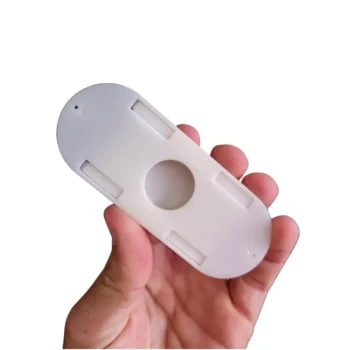
The primary disadvantages of plastic beehives stem from higher upfront costs, biological acceptance issues, and complex sanitation requirements. Specifically, they require a larger initial financial investment, are difficult to recycle, and necessitate expensive radiation treatments if contaminated with diseases like American foulbrood. Furthermore, bees may occasionally reject plastic components entirely.
Core Insight: While plastic hives offer durability, they introduce significant operational risks regarding disease management and environmental disposal that do not exist with traditional wooden apiaries.
The Economic and Environmental Barriers
Higher Initial Investment
Plastic beehives generally command a higher purchase price compared to wooden alternatives.
While this cost is often justified by increased durability, it represents a steeper barrier to entry for new beekeepers or those looking to expand an apiary rapidly.
Recycling and Sustainability Issues
Plastic hives are manufactured from non-renewable resources.
Unlike wood, which degrades naturally, plastic components are difficult to recycle at the end of their lifecycle. This creates a long-term disposal challenge for environmentally conscious apiarists.
Biological and Operational Challenges
The Risk of Colony Rejection
Bees have a natural preference for wax and wood, and they may occasionally reject plastic foundations.
This rejection can occur even if the plastic is coated in beeswax. It is particularly common if the pre-molded hexagonal cell sizes on the foundation do not match the specific preferences of the colony.
Managing Infectious Diseases
The most critical technical disadvantage involves the management of severe bacterial diseases, such as American foulbrood.
When wooden hives are infected, the standard, effective protocol is often to burn the frames to destroy the spores.
Plastic hives cannot be burned safely or effectively. Instead, they require treatment with expensive radiation to be sterilized and reused, making disease management significantly more costly and logistically difficult.
Understanding the Trade-offs
To make an objective decision, you must weigh these disadvantages against the specific material benefits plastic offers.
Durability and Maintenance
Plastic requires no assembly and is highly resistant to physical damage. It will not split when pried apart during propolis removal, nor will it degrade in a honey extractor.
Pest Resistance and Visibility
Wax moth larvae cannot burrow through plastic foundations, preventing the destruction of the comb.
Additionally, black plastic frames offer high contrast, making it significantly easier for beekeepers to identify the queen's small white eggs during inspections.
Making the Right Choice for Your Apiary
The decision between plastic and wood often depends on your specific operational philosophy and budget.
- If your primary focus is biosecurity and low-cost disease management: Stick to wooden frames, as they can be easily and cheaply destroyed if American foulbrood is detected.
- If your primary focus is longevity and ease of maintenance: Choose plastic hives for their resistance to wax moths and their ability to withstand rough handling during extraction.
- If your primary focus is colony acceptance: Wooden frames with natural wax foundation remain the gold standard for ensuring bees draw comb quickly and reliably.
Select the material that aligns with your long-term management style rather than just immediate convenience.
Summary Table:
| Disadvantage Category | Key Challenges | Impact on Apiary |
|---|---|---|
| Financial | Higher Upfront Cost | Steeper barrier for entry and expansion |
| Biosecurity | Disease Management | Requires expensive radiation; cannot be burned |
| Biological | Colony Rejection | Bees may refuse to draw comb on plastic foundation |
| Sustainability | Environmental Impact | Difficult to recycle; made from non-renewable resources |
| Logistics | Disposal | Long-term waste management challenges |
Scale Your Apiary with High-Quality Beekeeping Solutions
At HONESTBEE, we understand the complex trade-offs between plastic and traditional wood materials. As a leading partner for commercial apiaries and distributors, we provide a comprehensive wholesale range designed to meet every operational need.
Whether you require durable hive-making machinery, precision honey-filling equipment, or a reliable supply of essential industry consumables, our portfolio offers the quality and scale your business demands. Let us help you optimize your production with professional-grade tools and specialized hardware.
Ready to upgrade your equipment or stock your distribution line?
Contact HONESTBEE today for a wholesale consultation
Related Products
- Professional Insulated Plastic Bee Hives
- Plastic Bee Frame Beekeeping Hive Frames for Wholesale
- Durable Plastic Interlocking Hive Connector for Beekeeping
- Beehive Entrance Discs Plastic Bee Entrance Disc for Bee Hives
- Assembled Wooden Bee Frames with Plastic Foundation for Durability and Convenience by HONESTBEE
People Also Ask
- What are the advantages of plastic bee hives? Boost Efficiency & Durability for Your Apiary
- Are plastic bee hives any good? Unlock Durability & Efficiency for Your Apiary
- How do plastic bee hives compare to wooden hives in handling? Reduce Strain & Boost Efficiency
- Are plastic bee hives good? Durable, Low-Maintenance Hives for Modern Apiaries
- How do plastic beehives protect against ants and borers? A Guide to Inherent Pest Resistance