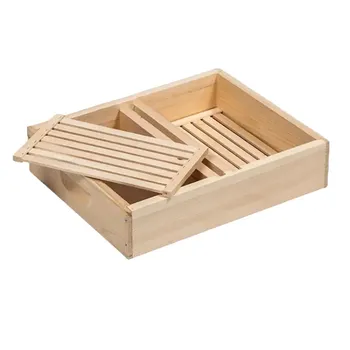
To minimize robbing during a nectar dearth, you must immediately stop using entrance feeders and switch to internal or enclosed hive-top feeders. It is critical to discontinue the use of aromatic additives or essential oil stimulants in your syrup, as these scents travel far and attract foreign bees to the hive. The primary objective is to contain all syrup and scent inside the colony's defensive perimeter.
Core Takeaway Robbing is driven by the accessibility of resources and the strength of scent signals. By moving food sources inside the hive and neutralizing strong odors, you remove the primary triggers that incite foreign bees to loot a colony during periods of scarcity.
Managing Feed Access and Equipment
The Danger of Entrance Feeders
During a dearth, entrance feeders are the single biggest liability for a colony. Because they are positioned at the colony's threshold, they offer outside bees easy access to the syrup without requiring them to bypass the hive's guards.
Furthermore, these feeders broadcast scent signals directly into the open air. This acts as a beacon for robber bees scouting for resources, leading them straight to your vulnerable colony.
Prioritizing Internal Feeders
To secure your hive, you must utilize internal or enclosed hive-top feeders. These devices are designed to keep the food supply fully contained within the hive bodies.
By placing the feed inside, you force any potential intruder to fight through the colony's guard bees to reach the sugar source.
Preventing Spillage
Internal and enclosed feeders are also superior because they help minimize spills. Spilled syrup outside the hive or on the landing board creates an instant frenzy that can trigger a robbing event within minutes.
Controlling Scent Signals
The Risk of Aromatics
While additives are popular for health or stimulation during flow periods, you must avoid aromatic additives during a dearth.
Ingredients like essential oils or strong-smelling stimulants can attract bees from long distances. In a time of scarcity, these scents signal a rich food source, drawing heavy traffic from competing apiaries or feral colonies.
Containing the Syrup Smell
The goal of your feeding strategy must be "scent camouflage." Enclosed hive-top feeders help seal the vapor of the syrup inside the hive, rather than letting it waft out into the apiary.
Understanding the Trade-offs
Operational Difficulty vs. Security
The most secure feeders (internal frame or top feeders) often require you to open the hive to refill them. This is less convenient than swapping a jar on an entrance feeder.
The Risk of Inspection
Opening the hive to refill an internal feeder releases a burst of hive odor and syrup scent. While this is a risk, it is significantly lower than the constant, unprotected lure of an entrance feeder. You must weigh the minor disturbance of refilling against the catastrophic risk of leaving food exposed.
Making the Right Choice for Your Goal
To protect your colonies during summer scarcity, choose your equipment based on the following security principles:
- If your primary focus is preventing detection: Use internal feeders and plain sugar syrup, ensuring absolutely no essential oils are added to the mix.
- If your primary focus is hive defense: Remove all entrance feeders immediately to ensure guard bees can focus on the entrance rather than defending a food jar.
Mastering scent containment is the most effective way to render your hives invisible to robbers.
Summary Table:
| Technique | Action | Why It Works |
|---|---|---|
| Feeder Type | Switch from Entrance to Internal/Top Feeders | Forces intruders to pass guards to reach food. |
| Scent Control | Eliminate Essential Oils & Aromatics | Removes the chemical 'beacon' that attracts scouts. |
| Spill Prevention | Use Enclosed Feeding Systems | Prevents immediate feeding frenzies on the landing board. |
| Timing | Feed during late evening or inside the hive | Reduces the window of exposure when robbers are active. |
Scale Your Apiary with Professional-Grade Solutions
Protecting your colonies from robbing is just the first step in successful commercial beekeeping. At HONESTBEE, we empower commercial apiaries and distributors with the high-capacity tools and machinery needed to thrive. From precision honey-filling machines to durable hive-making equipment and a full spectrum of essential consumables, our portfolio is designed to enhance your operational efficiency and output.
Whether you are looking to stock premium beekeeping hardware or unique honey-themed cultural merchandise for your distribution network, HONESTBEE provides the wholesale expertise you need.
Ready to upgrade your equipment? Contact us today to discuss your wholesale needs!
Related Products
- Rapid Bee Feeder White Plastic 2L Round Top Feeder for 8 or 10-Frame Bee Hives
- Premium Wood Hive Top Feeder with Floating Rafts for Langstroth Hives
- Professional Hive Front Entrance Bee Feeder
- Professional Hive Top Bee Feeder for Beekeeping
- Professional In-Hive Bee Feeder HONESTBEE Frame for Beekeeping
People Also Ask
- What should be done with feeders and equipment after feeding bees? Essential Steps for Apiary Health
- What should be done if feed in a feeder is not consumed by the bees? Prevent Hive Mold with Prompt Feed Management
- What is the necessity of specialized internal or entrance feeders? Secure Your Hive with Professional Feeding Tools
- How do bee feeders work to preserve colony health during nectar shortages? Essential Guide for Beekeepers
- How quickly does a medium to strong colony usually empty a feeder? A Beekeeper's Guide to Hive Health