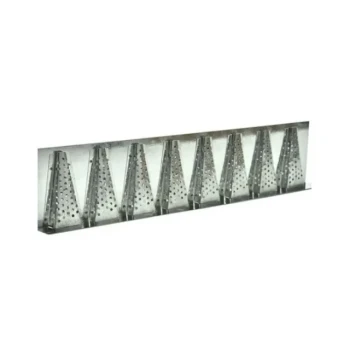
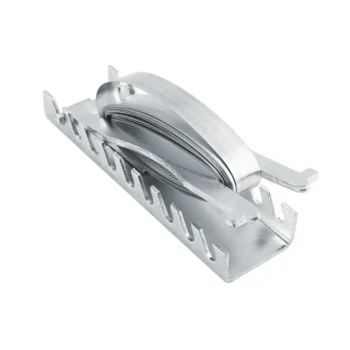
Preventing pest infestations requires a combination of physical barriers and vigilant colony management to secure the hive. Beekeepers should utilize entrance reducers to restrict access and perform regular inspections, particularly in winter, to remove deadout colonies before they attract unwanted inhabitants.
Effective pest management relies on proactive defense. By scaling hive entrances to match the colony's activity level and promptly clearing out non-viable hives, you deny pests the physical access and shelter they seek.
Implementing Physical Barriers
The Role of Entrance Reducers
Entrance reducers are a primary line of defense for limiting destruction from pests. By physically shrinking the size of the hive opening, you make the colony easier for the bees to defend.
This is particularly effective during the summer months. A reduced entrance helps limit the intrusion of honey robbers, such as wasps, which attempt to steal resources from the hive.
Using Mouse Guards in Autumn
As the seasons change, the nature of the threat shifts from insects to rodents. During autumn, bee activity decreases and external temperatures drop, driving mice to seek shelter.
Installing mouse guards at the hive entrance during this period is critical. These devices prevent rodents from entering the warm hive, thereby protecting the wax comb and the colony from significant physical damage.
Hive Management and Hygiene
Managing Deadout Colonies
A "deadout" (a colony that has died) is a prime target for pests looking for an undefended home. It is essential to remove these hives promptly.
Leaving a dead colony in the apiary invites unwanted inhabitants to move in. By removing the hive immediately upon discovery, you prevent it from becoming a breeding ground for pests that could threaten neighboring colonies.
Winter Monitoring
Pest prevention is a year-round responsibility that extends into the colder months. It is recommended to check on your bees throughout the winter.
Regular monitoring allows you to identify deadouts early. This vigilance ensures that empty equipment is removed before it becomes a harborage for pests waiting for spring.
Common Pitfalls to Avoid
Timing is Critical
The effectiveness of physical barriers relies heavily on seasonal timing. Installing a mouse guard after a mouse has already entered the hive traps the pest inside, ensuring destruction rather than preventing it.
Similarly, failing to install an entrance reducer before the peak of wasp season leaves the colony vulnerable to being overwhelmed. Success requires anticipating the threat before it arrives.
Making the Right Choice for Your Goal
To protect your apiary effectively, match your method to the specific threat level and season.
- If your primary focus is preventing summer robbing: Utilize entrance reducers to shrink the defensible area against wasps and other insects.
- If your primary focus is protecting infrastructure: Install mouse guards in autumn to prevent rodents from destroying wax comb and woodenware.
- If your primary focus is apiary hygiene: Monitor hives during winter and immediately remove deadout colonies to stop pest populations from establishing.
Proactive exclusion and timely removal of dead hives are the foundations of a pest-free apiary.
Summary Table:
| Prevention Method | Primary Target | Recommended Season | Key Benefit |
|---|---|---|---|
| Entrance Reducer | Wasps & Honey Robbers | Summer | Shrinks defensible area for easier guarding |
| Mouse Guard | Mice & Rodents | Autumn | Prevents rodents from nesting in warm hives |
| Deadout Removal | All Scavenger Pests | Winter / Year-round | Eliminates breeding grounds for infestations |
| Regular Monitoring | Opportunistic Pests | Year-round | Early detection and removal of hive threats |
Secure Your Apiary's Success with HONESTBEE
Protecting your investment requires professional-grade equipment that stands up to seasonal pressures. HONESTBEE serves commercial apiaries and distributors with a comprehensive range of premium beekeeping tools, machinery, and essential consumables.
Whether you need specialized hive-making machines to expand your infrastructure or high-quality entrance reducers and hardware to fortify your colonies, we provide the wholesale solutions you need to thrive. From honey-filling machines to industry-leading hardware, we empower your business with durability and efficiency.
Enhance your operations and protect your colonies today. Contact us at HONESTBEE to discuss our full spectrum of wholesale beekeeping supplies!
Related Products
- Beehive Entrance Reducer Guardian Metal Hive Entrance for Bees
- Steel Round Disc Entrance Reducer for Flexzion Bee Hive Nuc Box Gate
- 8-Cone Galvanized Steel Bee Robber Guard
- High Security Emlock Strap System
- HONESTBEE Professional Entrance Bee Feeder Hive Nutrition Solution
People Also Ask
- Why are entrance reducers used to counter hornet infestations? Protect Your Hive with Strategic Choke Points
- What is the purpose of an entrance reducer for a beehive? Strengthen Colony Defense and Prevent Robbery
- What are the proper guidelines for using hive entrance reducers? Master Temperature Control & Colony Defense
- Why is it critical to maintain a smaller entrance for a newly established bee hive? Boost Colony Growth and Security
- What is the physical mechanism behind the use of hive entrance reducers? Protect Your Bees from Vespa velutina