Administer Nosema medication as a correctly dosed, autumn-only syrup treatment. Mix the approved treatment—such as fumagillin where legally permitted and prescribed or labeled—into sugar syrup according to the product instructions, then deliver it through a hive feeder. Avoid diluting the medicated feed with unmedicated syrup during the treatment, remove honey supers before medication, and complete treatment before nectar collection or after harvest.
The core procedure is concentration, timing, and uptake: prepare the medication precisely, provide it in a controlled volume that the colony will consume, and prevent dilution or contamination of marketable honey.
Prepare the Colony Before Treatment
Confirm That Nosema Is the Problem
Nosema is a digestive-tract infection caused by a Nosema pathogen. Brown or mustard-colored fecal marks can be a warning sign, but diagnosis should be supported by appropriate examination—ideally microscopic confirmation or advice from a qualified apiary diagnostician.
Do not automatically treat every weak colony. Similar symptoms can result from poor nutrition, dysentery, queen problems, pesticide exposure, or other diseases.
Strengthen the Colony in Autumn
Medication works best alongside sound colony management. Autumn re-queening with a prolific queen, adequate honey and pollen stores, and a healthy population improve the colony’s ability to overwinter.
Place colonies in dry, sunny locations with good airflow and access to clean water. These measures reduce environmental stress and support normal colony hygiene.
Remove Honey Supers
Do not administer medicated syrup while honey supers are present. Complete feeding and medication before the nectar flow or after the honey harvest to prevent treatment residues from entering honey intended for extraction or sale.
This requirement is both a product-quality safeguard and a compliance issue. Always follow the medication label and applicable veterinary and food-safety regulations in the operating jurisdiction.
Mix and Deliver the Medicated Feed Correctly
Follow the Product Label Exactly
Use only a treatment approved or legally authorized for the intended bee colony and region. Measure the active ingredient and syrup volume precisely; an incorrect concentration may reduce effectiveness or create residue and compliance concerns.
Do not estimate the dose by eye or substitute one antibiotic for another. Treatments for foulbrood, such as oxytetracycline products, are not interchangeable with targeted Nosema treatments.
Use a Suitable Syrup and Feeder
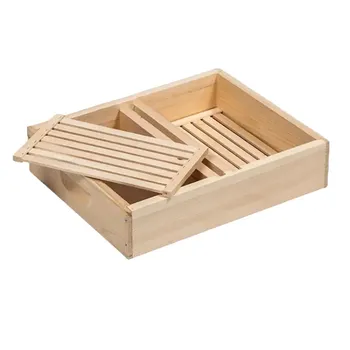
Prepare the sugar syrup and medication according to the manufacturer’s directions, including any requirements for water temperature, mixing order, storage, and use period. A top-mounted rapid feeder, such as a Miller-style feeder, can help a colony take up a relatively large volume quickly.
Controlled feeding is preferable to open feeding because it reduces exposure, robbing pressure, and uneven access between colonies. The goal is to place the treated syrup where the target colony can consume it and store it within the brood-nest area.
Provide the Full Medicated Portion
Where the product directions specify the first 8 liters (2 gallons) of autumn syrup, mix the treatment into that defined volume and provide it through the hive feeder. This is not a universal dose for every product, so the label’s dosage and volume take precedence.
Inspect colonies to confirm that the medicated syrup is being accepted and consumed. Do not repeatedly add medication without calculating the total dose already delivered.
Prevent Dilution During Treatment
Do Not Alternate Feeds
Do not provide unmedicated syrup alongside the medicated feed or immediately dilute the treated syrup with additional syrup. Dilution can lower the concentration needed to inhibit spore replication in the bee’s ventriculus.
If the procedure calls for a defined medicated portion followed by unmedicated feed, allow the treated portion to be consumed first. Subsequent feeding should follow the label and should not be used to dilute the active treatment.
Avoid Uncontrolled Watering or Spraying
Medicated drenching or spraying should only be used when specifically directed by an approved treatment protocol. Such applications require suitable weather and careful handling to avoid chilling or harming the bees.
For routine autumn administration, feeder-based syrup delivery is generally easier to measure, document, and manage consistently across multiple colonies.
Time the Treatment for Overwintering
Treat in Early Autumn When Indicated
Medicated autumn feeding can reduce spring disease incidence and help protect colonies during the overwintering and early brood-rearing period. When Nosema is identified in early autumn, prompt treatment allows the colony to consume and store the treated feed before winter conditions restrict management.
Do not wait until colonies are severely weakened. However, treatment should still be based on diagnosis, label directions, and local regulatory requirements rather than calendar timing alone.
Monitor After Feeding
Record the colony number, date, medication, batch or lot number, syrup volume, and amount administered. These records support consistent apiary management and are particularly important for distributors, commercial operators, and businesses supplying honey for human consumption.
Continue monitoring stores, population strength, queen performance, and signs of recurring disease. Treatment is not a substitute for correcting poor nutrition, damp conditions, inadequate ventilation, or weak colony structure.
Understanding the Trade-offs
Medication Is Not a Stand-Alone Solution
Nosema control depends on both treatment and colony management. A medicated feed may suppress the problem, but it will not correct starvation, poor queens, prolonged confinement, or unsuitable apiary conditions.
Strong autumn colonies with adequate stores and good ventilation are more likely to realize the benefit of treatment through winter and spring.
Product Availability and Legality Vary
Fumagillin-based products may not be approved, registered, or available in every market. Product names, permitted uses, withdrawal requirements, and veterinary oversight can differ substantially by country or region.
Source medication through reputable suppliers that can provide current labels, batch traceability, technical documentation, and reliable delivery. Do not rely on an outdated product sheet or an unverified substitute.
Incorrect Dosing Creates Operational Risk
Under-dosing can undermine disease control, while over-dosing or off-label use can create residue, toxicity, regulatory, and market-access risks. Mixing errors become more likely when different syrup volumes, colony strengths, or product formulations are handled without written calculations.
Standardize the process with calibrated measuring equipment, batch records, and a second-person check for commercial apiaries.
Honey-Safety Rules Must Come First
Medication must never be allowed to contaminate honey intended for sale. Keeping supers off during treatment is essential, but operators must also observe the product’s withdrawal and harvest requirements.
When requirements are unclear, consult the label, a veterinarian or relevant authority, and the buyer’s residue specifications before treatment.
How to Apply This to Your Apiary
Use a written treatment protocol that connects diagnosis, product selection, dosage calculation, feeding, monitoring, and records.
- If your primary focus is reliable Nosema suppression: Diagnose the problem, prepare the full medicated syrup volume precisely, and ensure the colony consumes it without dilution.
- If your primary focus is overwintering strength: Combine autumn medication with a productive queen, adequate honey and pollen stores, dry siting, good airflow, and clean water access.
- If your primary focus is honey safety and compliance: Remove honey supers, treat only within the product’s approved directions, and follow all withdrawal and harvest requirements.
- If your primary focus is multi-apiary consistency: Standardize feeders, measuring tools, batch records, colony inspections, and supplier documentation.
- If your primary focus is dependable procurement: Use established suppliers that can provide compliant products, traceable batches, responsive technical support, and efficient fulfillment.
Precise preparation, controlled delivery, and disciplined colony management are the foundation of responsible Nosema control.
Summary Table:
| Step | Key Action | Critical Notes |
|---|---|---|
| Confirm Diagnosis | Identify Nosema via fecal marks or microscopic exam | Avoid unnecessary treatment; consider other causes |
| Prepare Colony | Re-queen in autumn, ensure stores, dry location | Strong colonies respond better to treatment |
| Remove Honey Supers | Complete feeding before nectar flow or after harvest | Prevents residue in marketable honey |
| Mix Medication | Follow label exactly; use calibrated equipment | Incorrect dose risks failure or residue |
| Deliver via Feeder | Use top feeder; provide full medicated portion | Ensure consumption; avoid dilution |
| Time Treatment | Treat in early autumn when diagnosed | Avoid late treatment when colony is weak |
| Monitor & Record | Log colony, date, batch, dose | Essential for compliance and management |
| Follow Honey Safety | Observe withdrawal and harvest requirements | Compliance protects market access |
Looking for reliable Nosema treatment solutions and professional guidance? HONESTBEE offers a comprehensive range of beekeeping supplies and equipment, including certified medications and precision feeders. Our dedicated team provides rapid response and expert support to help you maintain healthy, productive colonies. As your one-stop wholesale partner, we ensure fast delivery and premium service for distributors, wholesalers, and commercial apiaries. Contact us today to discuss your needs and discover how we can support your operation with quality products and dependable supply.
Related Products
- White Plastic 0.5L Beekeeping Entrance Feeder for Bees
- Professional Plastic Honey Dipper for Easy Honey Drizzling
- Professional Hive Front Entrance Bee Feeder
- HONESTBEE Professional Hive Top Bee Feeder Feeding Solution
- HONESTBEE Entrance Bee Feeder Efficient Hive Front Liquid Feeding Solution for Beekeeping
People Also Ask
- How do you make an entrance feeder for bees? A Guide to Safe & Effective Hive Feeding
- How to make an entrance feeder for bees? A DIY Guide for Safe & Effective Feeding
- How does a bee entrance feeder work? A Simple Guide to Convenient Hive Feeding
- What is a bee entrance feeder and what are its drawbacks? Essential Guide to Hive Security and Feeding Efficiency
- What are the advantages and disadvantages of using an entrance feeder for bees? Balance Convenience and Hive Security.