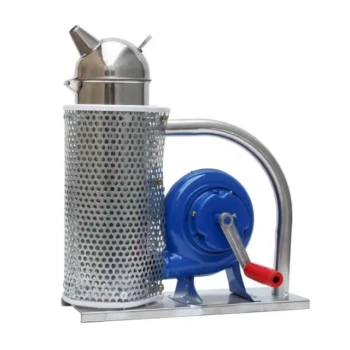
Bee Smokers and Water Sprayers are the fundamental tools for modulating colony temperament to ensure safe hive management. The smoker functions as a chemical interrupter, using cool smoke to mask alarm signals and induce a sedated feeding state, while the water sprayer acts as a physical modifier to cool the environment or simulate rain conditions.
Core Takeaway Managing bee behavior requires disrupting their natural defense mechanisms without causing harm. By combining the pheromone-masking capabilities of a smoker with the environmental control of a water sprayer, you effectively lower the colony's defensive posture and create a safer workspace.
The Mechanism of the Bee Smoker
The bee smoker is not merely a tool for generating smoke; it is a device for biological signaling intervention. Its effectiveness relies on triggering specific physiological responses within the bees.
Disruption of Communication
When a colony feels threatened, guard bees release alarm pheromones to alert the hive. Cool smoke acts as a masking agent, blanketing these chemical signals. This prevents the alarm from spreading throughout the colony, keeping the majority of the bees in a non-defensive state.
Inducing the Feeding Response
Beyond masking signals, the presence of smoke triggers a survival instinct. The bees interpret the smoke as a sign of a potential forest fire. In response, they instinctively begin consuming honey to prepare for potential abandonment of the hive. This engorgement physically sedates the bees and makes them less prone to stinging.
Integrated Pest Management
While primarily behavior-focused, the smoker has a secondary utility in hive health. Professional smokers can apply smoke derived from specific botanical agents. This targeted smoke can repel or kill parasites such as bee lice and Wax Moth larvae, protecting the colony's growth space.
The Role of the Water Sprayer
While the smoker addresses internal communication, the water sprayer manages the physical environment and external stimuli.
Thermal Regulation
In high-temperature conditions, a colony can become agitated. A water sprayer applies a fine mist to the area. This immediately cools the environment, reducing heat-related stress and aggression.
Behavioral Containment
The sprayer can be used to simulate rain. When bees encounter the mist, their instinct is to retreat into the hive or cluster rather than fly. This effectively clears the air above the open hive, allowing the operator to work with fewer bees in the flight path.
Understanding the Trade-offs
Effective management lies in the precise application of these tools. Misuse can lead to diminished results or colony stress.
The Importance of Smoke Temperature
The primary reference emphasizes the generation of cool smoke. If the fuel is burning too hot, it can injure the bees rather than sedate them. Hot smoke fails to trigger the correct behavioral response and may instead provoke increased agitation.
Balance in Application
While the smoker and sprayer reduce defensive behavior, they must be used judiciously. Over-smoking can distress the colony, and excessive water spraying can create humidity issues. The goal is the minimum intervention required to maintain calm.
Making the Right Choice for Your Goal
Select your primary tool based on the specific behavioral challenge you are facing.
- If your primary focus is suppressing aggression: Rely on the Bee Smoker to mask alarm pheromones and trigger the honey-gorging sedation response.
- If your primary focus is environmental control: Use the Water Sprayer to cool the hive or ground flying bees by mimicking rain.
- If your primary focus is pest control: Utilize the Bee Smoker with botanical agents to target parasites like Wax Moths while managing behavior.
Mastery of these tools transforms beekeeping from a defensive struggle into a controlled, systematic process.
Summary Table:
| Tool | Primary Mechanism | Biological Effect | Best Use Case |
|---|---|---|---|
| Bee Smoker | Chemical Signaling Intervention | Masks alarm pheromones & induces honey gorging | Suppressing aggression & pest control |
| Water Sprayer | Physical/Environmental Modifier | Simulates rain & provides thermal cooling | Clearing flight paths & heat stress reduction |
Elevate Your Apiary Management with HONESTBEE
At HONESTBEE, we understand that professional beekeeping requires precision tools that work in harmony with bee biology. Whether you are managing a large-scale commercial operation or supplying the next generation of beekeepers, our comprehensive wholesale range is designed to meet your needs.
Why partner with HONESTBEE?
- Full Spectrum Supply: From professional-grade cool-smoke bee smokers to precision water sprayers and hive-making machinery.
- Industrial Solutions: We provide honey-filling machines and essential consumables to streamline your production line.
- Tailored for Pros: We specialize in serving commercial apiaries and distributors with high-volume, reliable equipment.
Ready to enhance your hive productivity and safety? Contact us today to explore our wholesale catalog and see how our expertise can grow your business.
References
- Asmiro Abeje, Lijalem Abebaw. Adoption and intensity of modern bee hive in Wag Himra and North Wollo zones, Amhara region, Ethiopia. DOI: 10.51599/are.2017.03.01.01
This article is also based on technical information from HonestBee Knowledge Base .
Related Products
- Heavy Duty Manual Bee Smoker Blower for Beekeeping
- Stainless Steel Honey Bee Smoker Hive and Honeycomb Smoker for Beekeeping
- Professional Bee Smoker with Elongated Spout and Durable Bellows for Beekeeping
- Economy Galvanized Beekeeping Honey Bee Smoker for Wholesale
- European Stainless Steel Bee Smoker for Honey Bee Hive
People Also Ask
- What are bee smokers made out of? Choose the Right Material for Your Apiary
- What are the advantages of a manual bee smoker? Enhance Hive Safety with Controlled Cool Smoke Technology
- What is the primary function of a manual bee smoker? Master Hive Control for Safe Inspections
- What is the proper technique for applying smoke to a beehive? Master Calm and Effective Hive Management
- What is the purpose of using a bee smoker for Small Hive Beetle inspections? Master Chemical Control & Hive Safety