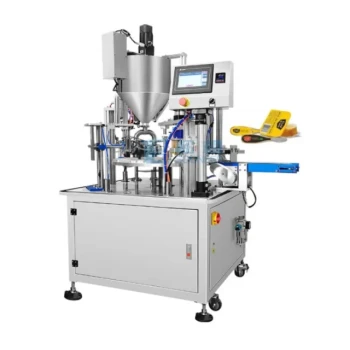
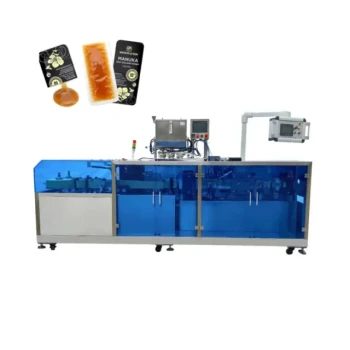
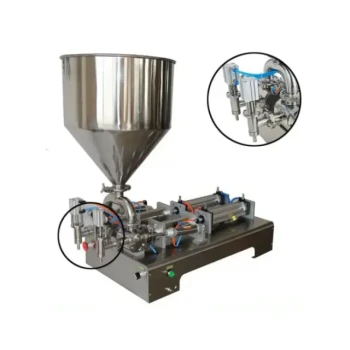
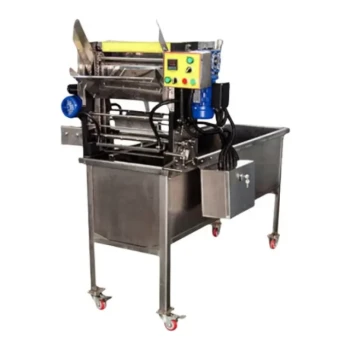
Automated honey filling equipment utilizes precision-engineered pumping systems and advanced volumetric controls to manage the distinct physical properties found in honey from diverse floral sources. These systems automatically adjust to high-viscosity fluids and varying densities, ensuring consistent packaging while strictly adhering to food-grade hygiene standards.
Core Takeaway Honey is a variable biological product, not a standardized industrial fluid; its density changes based on the nectar source. Automated filling equipment bridges the gap between natural variability and market demands by providing precise, adaptive control over viscosity and temperature without compromising the honey’s nutritional profile.
Managing Biological Variability
Adapting to Viscosity Fluctuations
Honey derived from different nectar sources, such as honeydew versus floral honey, varies significantly in viscosity and density.
Precision-engineered pumping systems allow automated fillers to process these thicker, high-viscosity liquids without clogging or stalling. This capability is critical for maintaining flow rates regardless of the honey's origin.
Handling Sugar Content Variations
Nectar from different orchards can possess sugar content ranging from 8 percent to 35 percent.
This variation directly impacts the honey's ripening speed and final thickness. Advanced filling equipment incorporates precise temperature control and moisture regulation to manage these physical fluctuations, ensuring that the honey flows consistently during the fill cycle despite its chemical differences.
Precision and Operational Efficiency
High-Precision Quantitative Filling
To meet commercial standards, every bottle must contain an exact volume or weight.
Automated equipment utilizes quantitative filling technology to deliver precise dosages, minimizing product giveaway (overfilling) and regulatory risk (underfilling). This volumetric control remains accurate even when switching between different honey batches.
Rapid Packaging Adjustments
Modern processing lines must often switch between jar sizes or shapes.
Automated systems allow for rapid adjustments to packaging specifications, significantly reducing downtime during changeovers. This improves the overall efficiency of the industrial chain, allowing producers to react quickly to market demands.
Hygiene and Quality Preservation
Minimizing Contamination and Air
Manual filling often introduces air bubbles or contaminants, which can affect shelf life and visual appeal.
Automated fillers feature food-grade contact surfaces and closed-loop systems that minimize air incorporation and cross-contamination. This is essential for ensuring product purity and meeting strict food safety regulations.
Preserving Natural Integrity
The physical distance and time between harvest and packaging can degrade honey.
By integrating filling into a streamlined processing line, producers shorten the processing time. This efficiency maximizes the retention of the honey's natural active ingredients and flavor profile, protecting the value of monofloral or premium honeys.
Understanding the Trade-offs
Complexity of Temperature Management
While temperature control aids viscosity, it presents a risk.
Overheating honey to facilitate faster filling can destroy enzymes and downgrade the product from "raw" status. Operators must calibrate equipment carefully to balance flow rate against thermal damage, particularly with delicate floral varieties.
Maintenance Dependencies
Reliability is paramount in automated systems.
While these machines boost efficiency, they introduce complexity. A failure in the pumping mechanism or sensor array can halt the entire production line, making regular maintenance schedules and high-quality hardware investments critical to preventing costly downtime.
Making the Right Choice for Your Goal
When selecting filling equipment for diverse honey types, prioritize features that match your specific operational scale and product goals.
- If your primary focus is High-Volume Production: Prioritize machines with rapid packaging adjustment capabilities to switch between bottle sizes without halting the line for extended periods.
- If your primary focus is Premium Monofloral Honey: Prioritize equipment with advanced temperature regulation and low-shear pumping to preserve the unique flavor profile and enzyme content of specific nectar sources.
- If your primary focus is Regulatory Compliance: Prioritize systems with certified food-grade contact surfaces and closed-loop filling to eliminate cross-contamination risks.
investing in adaptive, high-precision automation turns the challenge of honey variability into a consistent, scalable competitive advantage.
Summary Table:
| Feature | Technical Advantage | Benefit for Producers |
|---|---|---|
| Pumping Systems | Precision-engineered for high-viscosity | Handles diverse nectar densities without clogging |
| Filling Control | Quantitative volumetric technology | Eliminates overfilling and ensures weight accuracy |
| Temperature Regulation | Integrated thermal management | Maintains flow while protecting heat-sensitive enzymes |
| Changeover Design | Rapid packaging adjustments | Minimizes downtime when switching jar sizes/shapes |
| Hygiene Standards | Closed-loop food-grade surfaces | Prevents contamination and reduces air bubbles |
Scale Your Honey Production with HONESTBEE
At HONESTBEE, we specialize in empowering commercial apiaries and distributors with professional-grade solutions. Whether you need high-precision honey-filling machines, specialized hive-making hardware, or a reliable supply of industry consumables, we provide the full spectrum of beekeeping tools and machinery to optimize your industrial chain.
Our value to you:
- Efficiency: Reduce downtime with rapid-adjustment packaging lines.
- Quality: Preserve the natural integrity of premium honey with advanced temperature controls.
- Scalability: From specialized machinery to honey-themed cultural merchandise, we support your growth at every level.
Ready to transform your honey processing efficiency? Contact us today to explore our wholesale offerings!
References
- Fazlı Öztürk. Bee Plants of Çatak Valley and Determination of Nectar, Polen and Secretion Groups (Van/Turkey). DOI: 10.46291/ispecjasvol5iss1pp81-99
This article is also based on technical information from HonestBee Knowledge Base .
Related Products
- Fully Automatic Honey Filling Packaging Machine for Processing Line
- Automatic Honey Filling and Filtering Machine for Beekeeping Bottle Filling
- Precision Durable Efficient HONESTBEE Rotary Honey Filling Machine
- Semi Automatic Small Honey Bottle Filling Machine Honey Filler
- Precision Automated Packaging Turntable Honey Spoon Filling Sealing Packing Machine
People Also Ask
- Why are fully automatic honey filling and packaging lines essential? Boost Your Honey's Market Value and Quality
- What is a fully-automatic honey filler? Streamline Your Production with High-Precision Automation
- How do automated honey filling and packaging machines affect profitability? Boost Margins with HONESTBEE Technology
- How do automated honey filling and packaging machines contribute to the market value of honey products? Maximize Your ROI
- How do industrial-grade automated honey filling and packaging machines mitigate the risk of physical contamination?