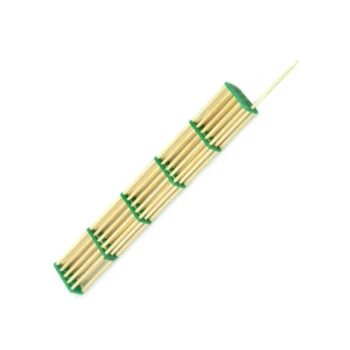
Bio-physical trapping frames represent a fundamental shift from chemical warfare to behavioral management. Instead of relying on toxicity to kill parasites, these devices exploit the specific biological characteristics of Varroa mites to physically entrap and remove them. The immediate technical advantage is the complete elimination of chemical residues, ensuring that honey, beeswax, and other hive products remain pure and commercially viable.
The core value of bio-physical trapping is the decoupling of pest control from chemical toxicity. by utilizing the pest's own biology against it, you eliminate the risk of product contamination and bypass the evolutionary mechanism that allows mites to develop resistance to conventional acaricides.
The Elimination of Chemical Residues
Preserving Product Purity
Traditional chemical treatments rely on acaricides that can persist within the hive environment. Bio-physical trapping frames function through physical removal, ensuring that no foreign chemical agents are introduced into the colony's ecosystem.
Enhancing Market Competitiveness
Because this method prevents the accumulation of residues, the final bee products maintain a higher biosafety level. This is a critical technical advantage for producers targeting premium or organic markets where chemical purity is a strict requirement.
Protecting Wax Quality
Residues often accumulate in beeswax, leading to long-term contamination issues for the apiary. Bio-physical frames avoid this compounding problem, preserving the integrity of the comb for future cycles.
Breaking the Resistance Cycle
The Failure of Conventional Toxins
A major technical flaw of traditional chemical treatments is the inevitable development of resistance. Mites that survive chemical exposure pass on resistant traits, rendering acaricides less effective over time.
The Stability of Physical Control
Bio-physical trapping targets the mite's behavior and physical presence rather than its metabolic vulnerability. Consequently, there is no biological pathway for mites to develop resistance to being physically trapped or removed. This ensures the method remains effective as a long-term control strategy.
Protecting Colony Vitality
Safeguarding Queen Performance
Chemical treatments can have sub-lethal effects on the colony, including negative impacts on the queen's egg-laying rates. Bio-physical frames avoid these physiological stressors, maintaining the reproductive momentum of the hive.
Ecological Safety and Bee Health
By utilizing specific attractants or biological behaviors rather than broad-spectrum toxins, this method targets the parasite exclusively. This approach protects honey bee vitality and ensures the healthy development of the colony without the collateral damage often associated with synthetic poisons.
Understanding the Methodological Trade-offs
Specificity vs. Broad Application
Unlike "blunt force" chemical treatments that saturate a hive, bio-physical frames rely on specific biological characteristics. This requires the control method to be perfectly tuned to the pest's behavior to be effective.
Reliance on Mechanism
The success of this method hinges on the mechanical interaction between the trap and the mite. While it avoids chemical failure, it requires the physical components of the frame to function correctly to achieve removal.
Making the Right Choice for Your Goal
This technology is best applied when product quality and long-term sustainability are prioritized over quick-fix chemical interventions.
- If your primary focus is Market Competitiveness: Adoption of bio-physical frames ensures zero-residue honey and wax, qualifying your products for premium safety standards.
- If your primary focus is Long-Term Herd Health: This method prevents the development of resistant mite populations, preserving the efficacy of your control program for years to come.
- If your primary focus is Colony Productivity: Using this approach avoids the sub-lethal chemical side effects that can suppress queen egg-laying and overall worker vitality.
Bio-physical trapping offers a sustainable path forward, securing both the health of the bees and the purity of the harvest by leveraging biology rather than toxicity.
Summary Table:
| Feature | Traditional Chemical Treatments | Bio-Physical Trapping Frames |
|---|---|---|
| Residue Risk | High (Accumulates in wax and honey) | Zero (Physical removal only) |
| Mite Resistance | Develops over time (Decreased efficacy) | No resistance pathway (Behavior-based) |
| Queen Health | Potential sub-lethal stress/reduced laying | No impact on reproductive vitality |
| Market Value | Standard commercial grade | Premium/Organic market compliant |
| Mechanism | Metabolic toxicity | Behavioral entrapment |
Scale Your Apiary with Sustainable Solutions from HONESTBEE
Transitioning to bio-physical trapping frames is a strategic move for any commercial apiary or distributor aiming for market leadership in organic and premium honey sectors. At HONESTBEE, we empower your business by providing the comprehensive equipment needed for modern, chemical-free beekeeping.
From advanced hive-making machinery and precision honey-filling systems to high-performance trapping frames and essential consumables, we supply everything the professional beekeeper needs to maximize colony productivity and product purity.
Ready to upgrade your operation? Contact us today to explore our wholesale offerings and discover how our specialized beekeeping tools can enhance your brand's competitiveness and long-term sustainability.
References
- Mustafa Güneşdoğdu, Brian Tainika. Effect of Using Drone Brood Cells as Traps Against Varroa destructor (Varroa Mite). DOI: 10.24925/turjaf.v9i6.1226-1231.4374
This article is also based on technical information from HonestBee Knowledge Base .
Related Products
- Langstroth Screen Bottom Board for Beekeeping Wholesale
- 8 Frame and 10 Frame Propolis Trap Collector Screen for Propolis Collection
- Compact Circular Bee Mite Treatment Dispenser
- Adjustable Formic and Acetic Acid Dispenser for Bee Mite Treatment
- Professional Bamboo Queen Isolation Cage
People Also Ask
- What role do screen bottom boards and monitoring inserts play in assessing Varroa mite mortality and maintaining hive hygiene in Langstroth hives?
- Why is the combination of a screen bottom board and a sticky trap board essential for monitoring Varroa mite? Guide
- What is the primary function of a screen bottom board? Achieve Accurate Varroa Mite Assessment in Your Apiary
- What is the primary function of a standard screen bottom board when assessing honeybee grooming behavior? - Key Mite Data
- Why might a screen bottom board be less effective for pest control? Understanding the 'Mixed Sunlight' Complication