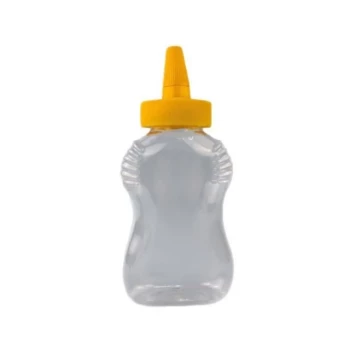
Selecting the right jerry can requires prioritizing chemical stability, airtight sealing, and strict food-grade certification. Because honey is acidic and possesses high osmotic pressure, the container material must be chemically inert to prevent the migration of plastic compounds into the product. Furthermore, the vessel must feature a hermetic seal to prevent moisture absorption, which is the primary cause of fermentation and spoilage during transport.
Core Takeaway: The choice of container is not merely a logistical decision but a chemical safety measure. High-quality food-grade plastics act as a critical barrier against moisture, contaminants, and odors, directly preserving the honey's commercial value and ensuring compliance with trade standards.
The Science of Chemical Compatibility
Combatting Chemical Migration
Honey is a chemically active substance due to its natural acidity and high osmotic pressure. Standard plastics may degrade or leach chemicals when in prolonged contact with such an environment.
You must select food-grade plastic specifically designed to resist these aggressive properties. This ensures that no chemical migration occurs, keeping the honey free from industrial residues and heavy metals often found in non-food-grade containers.
Preventing Flavor Contamination
Honey acts as a sponge for environmental scents. If a container is not made of high-quality, inert plastic, the honey can absorb the smell of the plastic itself or external odors from the transport vehicle.
A proper food-grade jerry can blocks these external odors. This preserves the natural flavor profile of the honey, which is essential for maintaining consumer trust and product value.
Managing Hygroscopy and Spoilage
The Critical Role of Sealing
Honey is highly hygroscopic, meaning it naturally attracts and absorbs moisture from the air. If the water content in honey rises, it allows yeast to activate, leading to fermentation and souring.
The technical priority here is the integrity of the seal. The jerry can must provide an airtight barrier that completely prevents atmospheric moisture ingress, regardless of humidity levels during transport.
Stability During Storage
Sealed food-grade containers stabilize the honey's physicochemical characteristics. By creating a controlled micro-environment, these containers protect the product from environmental fluctuations.
This allows producers to store honey during off-seasons or price drops without risking quality loss. The honey remains chemically stable, retaining its market value until it is ready for sale.
Physical Durability and Logistics
Impact Resistance
Transporting honey often involves rugged terrain where fragility is a liability. Traditional vessels like gourds or clay pots are prone to breakage, leading to total product loss.
Industrial-grade plastic jerry cans offer high impact resistance. They are lightweight yet durable, solving the physical risks associated with transport while ensuring the cargo survives the journey intact.
Common Pitfalls to Avoid
The Risk of Non-Food-Grade Substitutes
It is a critical error to use general-purpose industrial containers to cut costs. These often contain pollutants or chemical residues that can permanently contaminate the honey.
Using non-compliant containers not only compromises food safety but can also bar your product from access to regulated trade markets.
Overlooking Seal Quality
A plastic container is only as good as its lid. Even a high-quality container will fail if the cap does not seal perfectly.
If the seal is weak, moisture will enter. This leads to fermentation, rendering the entire batch unfit for consumption and resulting in significant financial loss.
Making the Right Choice for Your Goal
To select the best container, assess your specific logistical needs:
- If your primary focus is Long-Term Storage: Prioritize containers with superior airtight sealing technology to prevent moisture absorption and fermentation over months of warehousing.
- If your primary focus is Rough Terrain Transport: Prioritize high-impact resistant plastics that eliminate the fragility issues of traditional containers like clay pots.
- If your primary focus is Market Compliance: Prioritize certified food-grade materials that guarantee freedom from heavy metals and chemical migration to ensure access to premium trade markets.
Your container is the only barrier between a high-value product and total spoilage; choose materials that respect the chemistry of the honey.
Summary Table:
| Technical Criterion | Importance for Honey | Key Feature to Look For |
|---|---|---|
| Material Grade | Prevents chemical leaching and migration | Certified Food-Grade Plastic (BPA-free) |
| Seal Integrity | Stops moisture absorption and fermentation | Airtight/Hermetic locking lids |
| Chemical Inertness | Resists acidity and maintains flavor profile | High-density, odor-resistant polymers |
| Physical Durability | Prevents breakage during rugged transport | High-impact resistance & reinforced walls |
Secure Your Honey Harvest with Professional-Grade Solutions
Preserving the quality of your honey requires more than just a container—it requires a technical barrier against moisture and contamination. At HONESTBEE, we specialize in supporting commercial apiaries and distributors with high-performance beekeeping equipment and industrial-grade consumables.
From food-grade jerry cans and honey-filling machines to specialized hive-making hardware, we provide the tools you need to maintain market compliance and maximize your commercial value. Let us help you scale your operations with reliable, wholesale beekeeping supplies.
Contact HONESTBEE Today for a Quote
References
- Emmanuel Bintaayi Jeil, Michael Adjaloo. Livelihood security along beekeeping value chain: lessons from Ghana’s beekeeping experience. DOI: 10.1007/s10708-019-09982-4
This article is also based on technical information from HonestBee Knowledge Base .
Related Products
- Food Grade Plastic Honey Bucket Pail for Beekeeping
- Plastic Honey Gate Spout with Wing Nut for Beekeeping Honey Bucket
- Squeezable No-Drip Beehive-Shaped Honey Jars with Flip-Top Cap
- Classic Beehive Honey Bottle Jar with Squeeze Dispenser Lid
- Classic Drum Shaped Glass Honey Jar with Airtight Lid
People Also Ask
- What key operational precautions should be taken when using honey buckets and extractors fitted with bottom drain taps?
- What functions do food-grade honey buckets perform? Safeguard Your Harvest and Optimize Apiary Logistics
- Why are food-grade plastic buckets preferred for honey? Protect Quality with Modern Honey Collection Tools
- What is the significance of food-grade plastic honey collection buckets? Boost Quality in Forest Honey Logistics
- What is a honey pail? The Essential Container for Protecting Your Honey's Value