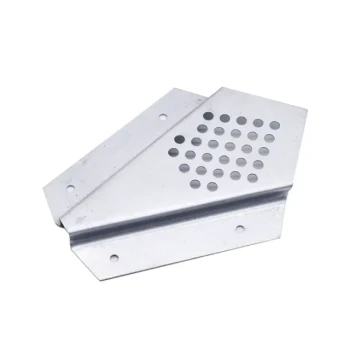
The primary driver of a bee escape board's effectiveness is the ambient nighttime temperature. Because these devices rely on passive bee movement rather than chemical repellents, they function best when cooler evening temperatures trigger the colony's natural instinct to retreat down to the warmth of the brood nest.
The bee escape board acts as a passive one-way valve, utilizing the colony's natural thermal regulation behavior to clear honey supers. While it avoids chemicals and reduces aggression, its success is heavily reliant on environmental conditions that encourage bees to leave the upper boxes.
The Role of Temperature and Weather
Why Cold Evenings Are Ideal
The escape board mechanism exploits the biology of the honey bee. As temperatures drop in the evening, bees naturally migrate downward to cluster in the brood nest to conserve heat.
When an escape board is present, this natural movement clears the upper honey supers rapidly and efficiently.
The Challenge of Warm, Humid Nights
In regions with warm or humid nights, the biological drive to cluster is significantly weaker. Bees may remain comfortably in the upper supers throughout the night.
Under these conditions, it can take a full 48 hours to clear the box. Even after this extended period, the supers may not be entirely empty, requiring you to brush off remaining stragglers.
Operational Requirements for Success
Providing Capacity for Displaced Bees
For the board to work, the bees leaving the honey supers must have a place to go. If the lower hive bodies are overcrowded, the bees will be physically unable to vacate the supers.
It is best practice to place an empty super—ideally with drawn comb—directly on top of the brood box but below the escape board. This creates the necessary "living room" for the colony to occupy once they exit the honey supers.
Correct Orientation and Mechanics
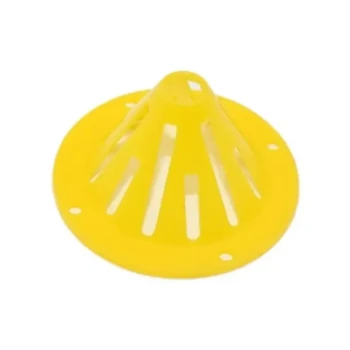
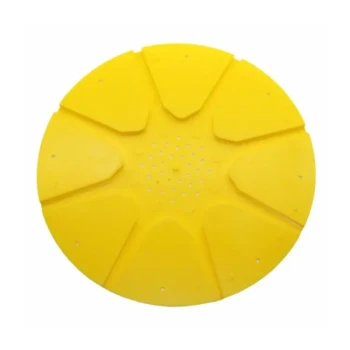
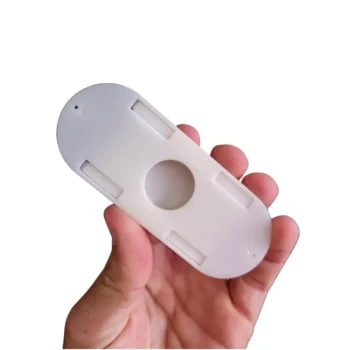
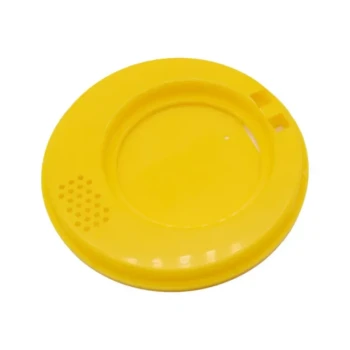
The board functions via a screen or maze-like structure that acts as a one-way valve. It allows bees to exit the super but confuses or blocks them when they attempt to return.
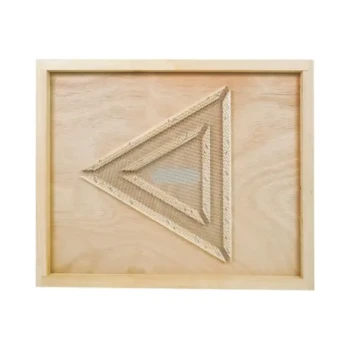
You must ensure the triangle or screen side is facing down towards the brood nest. If installed upside down, the bees will be trapped inside the honey super rather than guided out.
Understanding the Trade-offs
Passive Clearing Takes Time
Unlike fume boards or blowers, which work in minutes, an escape board is a slow process. It typically requires a minimum of several hours to overnight, and up to two nights in warmer weather.
This necessitates two separate trips to the apiary: one to install the board and a second to harvest the honey.
Incomplete Evacuation
While effective, escape boards rarely remove 100% of the colony. You can expect them to clear approximately 80% to 95% of the bees.
Be prepared to perform some manual cleanup. You will likely need to brush off a small number of lingering bees when you finally remove the supers.
Making the Right Choice for Your Goal
To maximize your success with a bee escape board, plan your harvest around the weather forecast and your specific constraints.
- If your primary focus is speed: Do not use an escape board; opt for active clearing methods like fume boards or blowers, as escapes require 24–48 hours.
- If your primary focus is a gentle, chemical-free harvest: Wait for a forecast with cool nights to ensure the bees naturally vacate the supers efficiently.
- If your primary focus is clearing a crowded hive: Ensure you add an empty box of drawn comb below the escape board so the bees have room to leave the honey supers.
Ultimately, the escape board is the superior choice for minimizing colony disturbance, provided you have the patience to let the night air do the work.
Summary Table:
| Factor | Ideal Condition | Impact on Effectiveness |
|---|---|---|
| Ambient Temperature | Cool evening temperatures | Triggers natural instinct to cluster in brood nest; speeds up clearing. |
| Hive Capacity | Extra empty super provided | Ensures displaced bees have space to move into below the board. |
| Installation | Triangle/Screen side down | Functions as a one-way valve; prevents bees from re-entering supers. |
| Weather/Humidity | Low humidity, no heatwaves | High heat/humidity weakens the drive to move, requiring up to 48 hours. |
| Clearing Time | 24 to 48 hours | Passive method requires patience compared to active blowers. |
Maximize Your Harvest Efficiency with HONESTBEE
At HONESTBEE, we understand that large-scale beekeeping requires tools that are both reliable and efficient. Whether you are managing a commercial apiary or supplying the industry as a distributor, our comprehensive wholesale range is designed to meet your needs.
From high-quality bee escape boards and specialized beekeeping hardware to advanced honey-filling machines and hive-making equipment, we provide the full spectrum of tools and consumables required for a successful operation.
Partner with HONESTBEE to elevate your production:
- Premium Wholesale Supplies: Durable tools and essential industry consumables.
- Commercial Machinery: Scale your business with our professional-grade honey processing equipment.
- Expert Support: Benefit from our deep industry knowledge and targeted solutions.
Contact us today to explore our full portfolio and wholesale pricing!
Related Products
- HONESTBEE Wooden Bee Escape Board with Triangle Mesh Design for Beekeeping
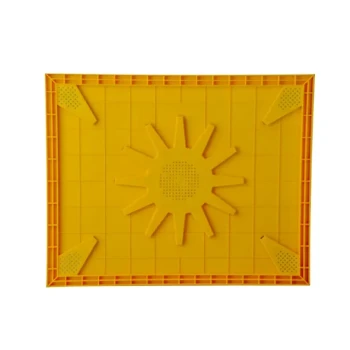
- HONESTBEE Multi Exit Plastic Bee Escape Board for Efficient Honey Harvesting
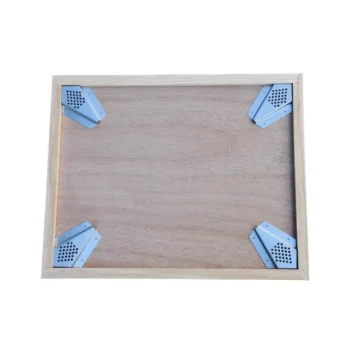
- HONESTBEE 4-Way Metal Corner Wooden Bee Escape Board
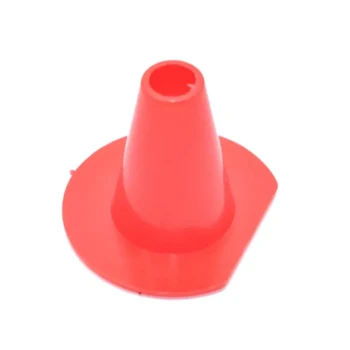
- Professional Cone Style Bee Escape for Efficient Honey Harvesting
- Slatted Porter Style Bee Escape for Rapid Hive Clearing
People Also Ask
- How is a bee escape board used to clear a hive body for honey harvesting? Optimize Your Chemical-Free Harvest
- What is a bee escape board and what problem does it solve? Simplify Your Honey Harvest with Passive Clearing
- How is a bee escape board used and how does it function? Master This Gentle Honey Harvesting Tool
- What are the proper steps for using a bee escape board for honey harvesting? Master the Passive Clearing Technique
- What tools and methods are used to clear honey bees from honey supers? Efficient Harvesting for Commercial Beekeepers