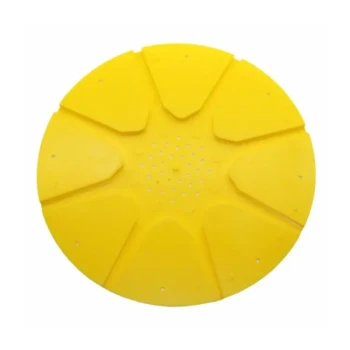
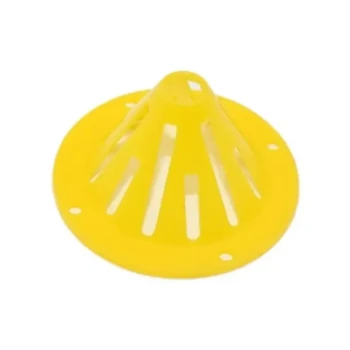
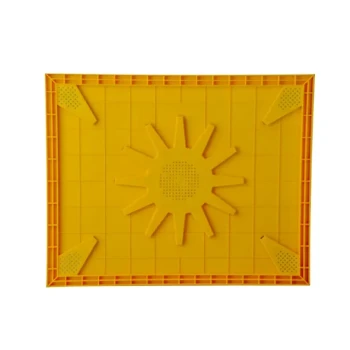
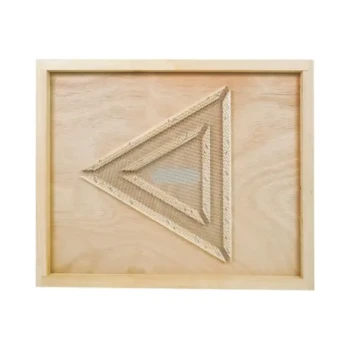
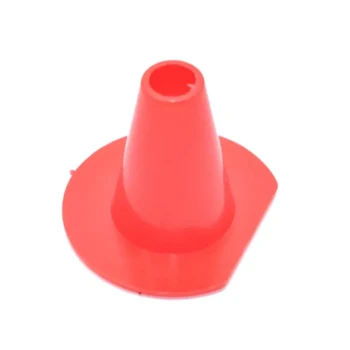
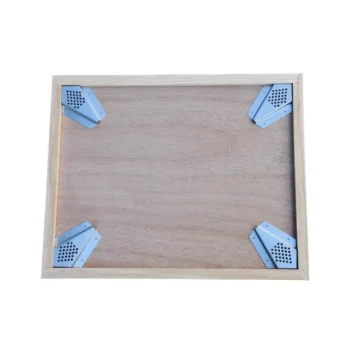
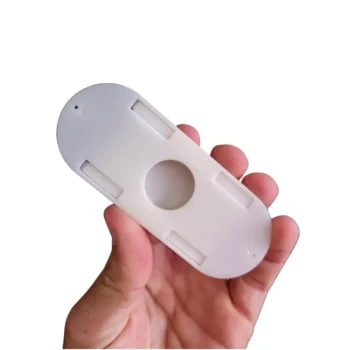
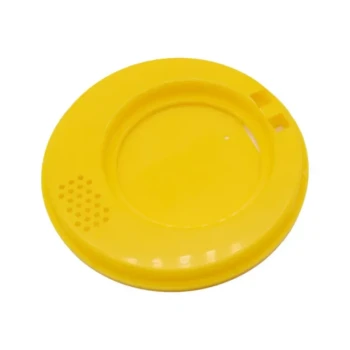
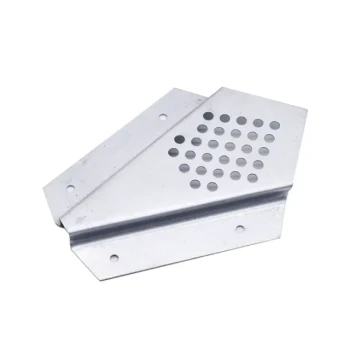
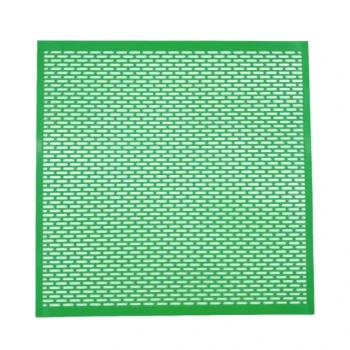
To use a bee escape or clearer board effectively, you must place it directly between the brood chamber and the honey super you intend to harvest.
This device functions as a passive, one-way gate that allows bees to exit the honey super and return to the brood nest below, but prevents them from re-entering the honey stores.
Core Takeaway A bee escape allows for the passive removal of bees from honey supers over a period of 24 to 48 hours. By utilizing the colony's natural movement toward the brood nest, you can remove honey-filled frames without the chaos of brushing or shaking bees, significantly reducing disruption to the hive.
The Harvesting Workflow
The process of using a bee escape transforms a high-labor harvest into a staged, calm operation. It utilizes the bees' natural instincts to clear the workspace for you.
Step 1: Hive Configuration and Installation
To begin, you must open the hive and lift off the heavy, honey-loaded super.
According to best practices, you should first place a new, empty super on top of the brood chamber (separated by a queen excluder if you use one). This ensures the bees have a place to go and prevents overcrowding in the brood nest as they exit the top box.
Place the clearer board (bee escape) on top of this empty super. Ensure the opening of the escape mechanism is facing upwards toward the honey. Finally, place the loaded honey super back on top of the clearer board and replace the hive cover.
Step 2: The Clearing Period
Once the board is installed, the hive requires a waiting period of 24 to 48 hours.
During this time, bees naturally leave the honey super to cluster in the brood nest for warmth or to follow the queen's pheromones. Because of the clearer board's design, they cannot navigate back up into the honey super.
Step 3: Removal and Extraction
After the waiting period, return to the hive—ideally the next day. Open the cover and inspect the top super. It should now be nearly free of bees.
Remove the honey super and the clearer board. You can then immediately transport the frames to your processing area for uncapping and extraction. After extraction, the empty sticky frames should be returned to the hive for reuse.
Understanding the Trade-offs
While a bee escape is generally the least disruptive method for the colony, it introduces specific logistical considerations compared to other methods.
Logistics and Timing
The primary trade-off is the requirement for two separate trips to the apiary: one to install the board, and a second one 24 to 48 hours later to harvest.
If your apiary is far from your home or processing center, this adds travel time compared to "active" methods like brushing or shaking, which allow you to harvest in a single visit.
Equipment Requirements
Using this method requires specific equipment—the clearer board itself and ideally an extra empty super to provide space for the displaced bees.
While not as expensive as a centrifugal extractor or heated knife, it is an additional piece of kit that requires storage during the off-season.
Making the Right Choice for Your Goal
Harvesting honey is labor-intensive, involving lifting heavy boxes, uncapping wax, and spinning frames. Choosing the right clearing method depends on how you value your time versus your physical effort.
- If your primary focus is minimal disruption: Use the bee escape/clearer board to passively clear supers, keeping the bees calm and avoiding the need to brush insects off individual frames.
- If your primary focus is speed and efficiency: Use the brushing or shaking method to clear frames immediately, allowing you to complete the entire harvest in a single trip to the apiary.
The most successful harvest is one that balances your available time with the need to keep the colony calm and organized for the coming winter.
Summary Table:
| Step | Action | Timing / Requirement |
|---|---|---|
| Installation | Place board between honey super and empty super | Use with queen excluder |
| Clearing | Allow bees to exit to the brood nest naturally | 24 to 48 hours |
| Harvest | Remove bees-free super for extraction | One day after installation |
| Best For | Minimizing hive disruption and bee stress | Low-labor, calm operation |
Scale Your Honey Production with HONESTBEE
Maximize your apiary's efficiency with professional-grade tools. HONESTBEE provides commercial apiaries and distributors with high-performance beekeeping machinery, including honey-filling lines, hive-making equipment, and essential consumables. Whether you are expanding your wholesale operation or seeking reliable hardware for your apiary, our comprehensive portfolio is designed to support your growth.
Contact HONESTBEE today to discover how our specialized equipment and wholesale solutions can streamline your honey production and enhance your brand's market reach.
Related Products
- Efficient Hive Clearing: HONESTBEE 8-Way Plastic Bee Escape
- Slatted Porter Style Bee Escape for Rapid Hive Clearing
- HONESTBEE Multi Exit Plastic Bee Escape Board for Efficient Honey Harvesting
- HONESTBEE Wooden Bee Escape Board with Triangle Mesh Design for Beekeeping
- High-Efficiency Diamond Maze Bee Escape for Clearing Supers
People Also Ask
- What mechanical methods and tools are used to clear bees from honey supers? Efficient Tools for a Smooth Harvest
- What is the result of using a bee escape board for 24 hours? Achieve a Near Bee-Free Honey Super
- What are the different types of bee escape boards? Choose the Right One for a Stress-Free Honey Harvest
- How do bee escape boards and fume boards assist in honey harvesting? Optimize Your Harvest with Low-Stress Tools
- How is a bee escape board used to clear a hive body for honey harvesting? Optimize Your Chemical-Free Harvest