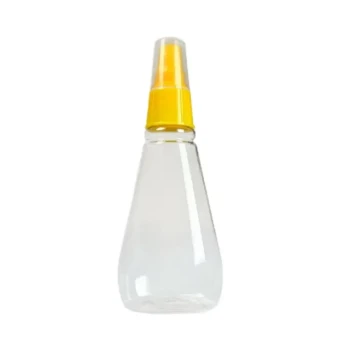
The geometry of your packaging is the definitive factor when determining the size and shape of a honey label. You must primarily analyze the physical contours of your specific jar—whether square, hexagonal, or round—and the capabilities of your labeling machinery to ensure a proper fit and application.
Core Takeaway The ideal honey label is not just an aesthetic choice; it is a functional compromise between the physical limitations of the container, the mechanical constraints of application equipment, and the spatial requirements for mandatory regulatory information.
Analyzing the Container Anatomy
Matching Label to Jar Shape
Your label’s shape must mirror the architecture of the container. While standard round jars can accommodate rectangular labels, uniquely shaped containers often require unconventional label shapes.
For example, square or hexagonal jars have distinct panels. A label designed for these surfaces must fit precisely within the flat face of the jar to avoid unsightly overhangs or gaps.
Navigating Surface Geometry
The curvature of the jar dictates where a label can physically sit. Flat surfaces are the most reliable for adhesion and readability.
Curves and angles introduce significant challenges. Applying a label over a sharp angle or a compound curve (a surface curving in two directions) often leads to creasing, bubbling, or peeling.
Utilizing the Lid
Do not limit your design strategy to the side of the jar. The container lid offers valuable, often underutilized real estate for branding.
Designing a circular label or a tamper-evident strip for the lid can complement the main body label. This maximizes shelf presence without overcrowding the main face of the jar.
Technical and Regulatory Constraints
Accounting for Application Machinery
Before finalizing dimensions, you must verify the specifications of your labeling machine.
Every machine has minimum and maximum height and width limits. Designing a shape that exceeds these parameters will force you into manual application, which significantly slows production and increases costs.
Accommodating Mandatory Information
The physical size of the label is heavily influenced by the volume of text required by law. In the United States, you must include a Nutrition Facts Panel and an ingredients list, even if honey is the sole ingredient.
These elements require a fixed amount of space to remain legible and compliant. Consequently, the label cannot be smaller than the area required to print this data clearly alongside your branding.
Understanding the Trade-offs
Aesthetic Complexity vs. Application Efficiency
Unconventional shapes (like custom die-cuts) stand out on the shelf but can be nightmare for automation. Irregular shapes are harder for machines to align perfectly, often leading to higher waste rates during production.
Information Density vs. Minimalist Design
You may desire a small, minimalist label to show off the honey's color. However, the mandatory inclusion of nutritional data and ingredient lists creates a spatial conflict.
To maintain a minimalist look, you may need to split the design into two labels (front and back) rather than a single wrap-around label. This increases material costs but preserves the visual appeal of the front panel.
Making the Right Choice for Your Goal
When finalizing your dimensions, prioritize your constraints based on your production scale and brand strategy.
- If your primary focus is production efficiency: prioritize standard geometric shapes (rectangles or circles) applied to flat surfaces to ensure seamless machine automation.
- If your primary focus is brand differentiation: utilize the unique angles of hexagonal or square jars with custom-shaped labels, but be prepared for manual application or higher equipment costs.
- If your primary focus is regulatory compliance: ensure your label dimensions are large enough to house the Nutrition Facts Panel and ingredients list without compromising font legibility.
Design your label from the outside in, letting the container's reality dictate the paper's form.
Summary Table:
| Factor | Key Consideration | Impact on Design |
|---|---|---|
| Container Shape | Square, Hexagonal, Round | Determines if labels should be flat-panel or wrap-around |
| Surface Geometry | Flat vs. Curved | Influences adhesion; compound curves cause bubbling/peeling |
| Machinery Limits | Application Specs | Defines max/min height and width for automated labeling |
| Regulations | Nutrition & Ingredients | Mandates minimum surface area for legible, compliant text |
| Visual Strategy | Minimalist vs. Informative | Dictates use of single wrap-around vs. front/back split labels |
Elevate Your Honey Production with HONESTBEE
At HONESTBEE, we understand that professional packaging is just as vital as the honey inside. As a premier provider for commercial apiaries and distributors, we offer more than just advice—we provide the tools to scale your business.
Our comprehensive wholesale range includes:
- Advanced Machinery: High-precision honey-filling and automated labeling machines designed to handle complex jar geometries.
- Beekeeping Hardware: Professional-grade hive-making equipment and durable tools.
- Industry Consumables: A wide array of essential supplies to keep your apiary running smoothly.
- Brand Assets: Honey-themed cultural merchandise to enhance your retail presence.
Whether you are a large-scale distributor or an expanding commercial apiary, our expert team is ready to help you optimize your production line.
Contact HONESTBEE Today to Discuss Your Wholesale Equipment Needs
Related Products
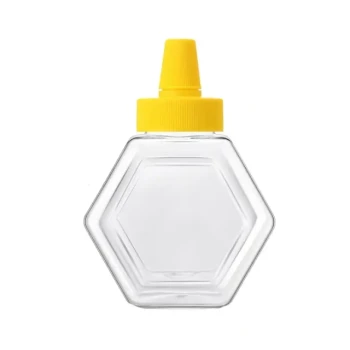
- Hexagonal Squeeze Honey Bottle with No Drip Lid
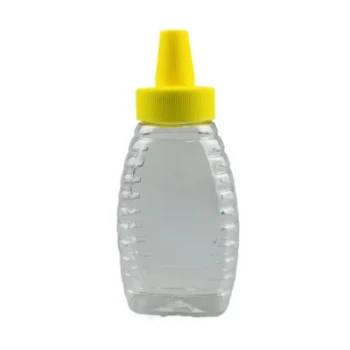
- Classic Beehive Honey Bottle Jar with Squeeze Dispenser Lid
- Classic Honey Bear Jars with Flip Top Dispensing Cap for Liquid Sweeteners
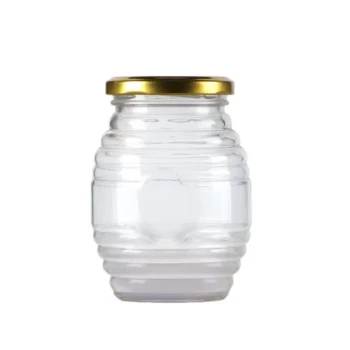
- Classic Glass Honey Jar with Metal Lug Cap for Beehive Storage
- Premium Stainless Steel Honey Tank Bucket Pail with Reinforced Handle and Polished Finish
People Also Ask
- What are the benefits of squeeze bottles for honey packaging? Unlock Mess-Free Convenience & Control
- How do honey bottles contribute to the preservation of honey products? Secure Quality and Commercial Value
- What are the features of honey bottles? Design for Convenience & Long-Term Preservation
- How should honey bottles be prepared before pouring honey into them? The #1 Rule for Honey Longevity
- What are the features and benefits of using honey bottles for packaging? Optimize Preservation and Consumer Experience