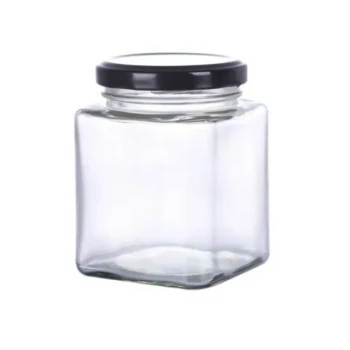
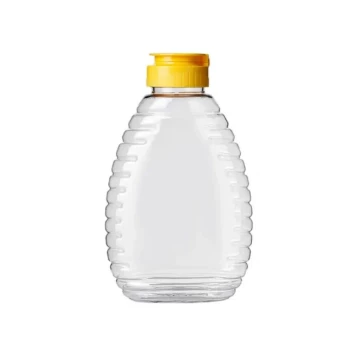
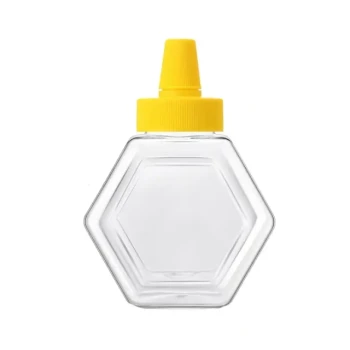
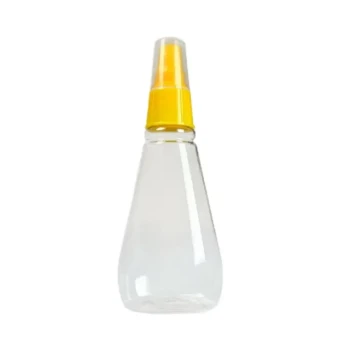
High-quality honey packaging acts as a comprehensive preservation system, serving as far more than a simple vessel for containment. By utilizing food-grade materials such as high-density glass or specialized plastics, packaging creates an impermeable barrier that stabilizes the honey's physical and chemical indicators. This barrier is essential for blocking moisture absorption and foreign odors, directly preventing fermentation and ensuring the product remains safe and consistent from production to consumption.
The core function of superior packaging is to minimize the exchange between the honey and the external environment. By strictly controlling permeability, high-quality materials prevent the absorption of atmospheric moisture—the primary catalyst for spoilage—thereby securing both food safety compliance and commercial value.
Preserving Chemical Stability Through Barrier Properties
Controlling Moisture Permeability
Honey is naturally hygroscopic, meaning it actively attracts water from its surroundings. High-quality packaging materials are selected specifically for their low permeability.
If a container allows air exchange, honey will absorb atmospheric moisture, leading to dilution. This dilution destabilizes the honey, creating an environment where yeast can thrive and cause fermentation.
Blocking Foreign Odors
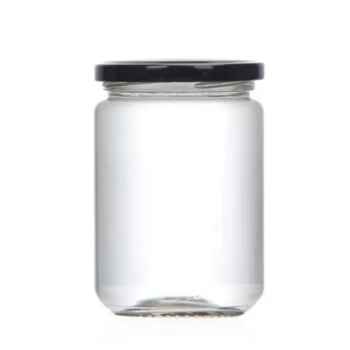
Beyond moisture, honey is susceptible to absorbing environmental scents. Food-grade containers, particularly high-density glass, provide a neutral environment that isolates the product.
This isolation ensures the honey retains its original flavor profile and aroma. It prevents the intrusion of external odors that could compromise the sensory quality of the product.
Physical Integrity and Hygiene Standards
The Role of High-Performance Sealing
The packaging material extends beyond the jar itself to include the closure system. High-performance sealing caps serve as a critical physical barrier.
These caps prevent the entry of environmental contaminants and effectively block air exchange. This is vital for maintaining the hygiene standards achieved during the filtration and processing stages.
Meeting Food Safety Requirements
Standardized, high-quality packaging is a fundamental requirement for regulatory compliance. It ensures the product remains sterile and free from spoilage during logistics and storage.
Using certified food-grade materials acts as a guarantee of safety. This minimizes the risk of chemical leaching or degradation that can occur with inferior packaging solutions.
Commercial Value and Marketability
Enhancing Brand Perception
Packaging serves as the primary interface between the brand and the consumer. High-quality materials are necessary to meet the requirements of premium retail and export markets.
Superior packaging protects the visual clarity and color of the honey, which are key indicators of quality for consumers. It signals a premium product and supports a higher market position.
Ensuring Long-Distance Viability
For honey to reach international or distant domestic markets, the packaging must withstand the rigors of transportation.
Robust materials prevent physical damage and maintain the "hermetic" (airtight) seal required to prevent leakage or spoilage during transit. This reliability is essential for maintaining supply chain consistency.
Understanding the Trade-offs in Material Selection
Glass vs. Specialized Plastic
While glass offers the highest barrier against moisture and oxygen, it introduces weight and fragility challenges during shipping.
Specialized plastics (such as high-density PET) offer a lighter, shatter-resistant alternative. However, one must be careful to select plastics specifically engineered for low permeability; standard plastics may allow moisture ingress over time, reducing shelf life.
The Cost of Quality
Investing in high-barrier materials and superior sealing technology increases upfront production costs.
However, relying on cheaper, permeable packaging often results in higher long-term costs due to product spoilage, fermentation returns, and damage to brand reputation.
Making the Right Choice for Your Product
Selecting the appropriate packaging depends on your specific market goals and distribution channels.
- If your primary focus is Premium Retail and Export: Prioritize high-density glass or heavy-gauge specialized plastics to maximize shelf life, aesthetic appeal, and perceived value.
- If your primary focus is Cost-Effective Logistics: Utilize food-grade, low-permeability plastics that offer a balance between moisture protection and reduced shipping weight.
- If your primary focus is Long-Term Storage Stability: Ensure your closure system includes high-performance sealing liners to complement the container's barrier properties and prevent vacuum loss.
Ultimately, the investment in high-quality packaging is an investment in the longevity of your product, protecting the honey's natural chemistry and your brand's reputation simultaneously.
Summary Table:
| Feature | High-Quality Glass | Specialized Plastics (PET) | Impact on Honey Quality |
|---|---|---|---|
| Moisture Barrier | Exceptional (Zero Permeability) | High (Engineered Low Permeability) | Prevents dilution and yeast fermentation. |
| Aroma Preservation | Neutral; blocks all odors | Good; requires food-grade certification | Maintains original flavor and sensory profile. |
| Durability | Fragile; higher shipping weight | Shatter-resistant; lightweight | Ensures integrity during long-distance transit. |
| Market Position | Premium/Export grade | Retail/Cost-effective logistics | Enhances brand perception and consumer trust. |
Elevate Your Honey Brand with Professional Packaging Solutions
At HONESTBEE, we understand that the right packaging is the final step in protecting your harvest's value. As a dedicated partner to commercial apiaries and global distributors, we provide more than just containers—we offer a comprehensive range of professional beekeeping tools, honey-filling machinery, and high-performance packaging consumables designed to meet strict food safety standards.
Whether you are scaling your production with automated machinery or looking for premium honey-themed merchandise to enhance your retail presence, our wholesale solutions are tailored to your growth. Contact us today to discover how our equipment and packaging expertise can secure your product's stability and maximize your market potential.
References
- Görkem ÖRÜK, Cengiz ERKAN. Bal Üretiminin Brüt Kâr Analizi: Siirt İli Örneği. DOI: 10.29185/hayuretim.1141583
This article is also based on technical information from HonestBee Knowledge Base .
Related Products
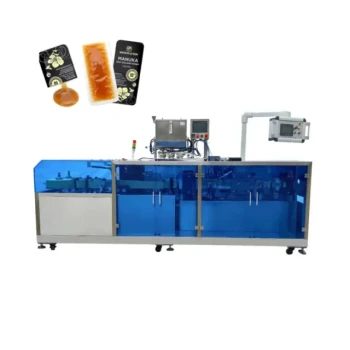
- Double Nozzle Small Honey Filling Machine Honey Sachet Packing Packaging Equipment
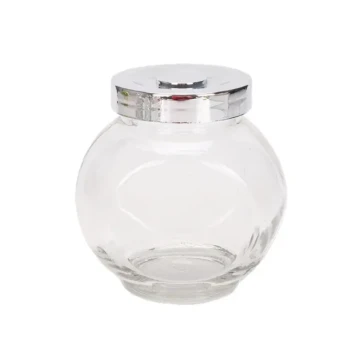
- Classic Drum Shaped Glass Honey Jar with Airtight Lid
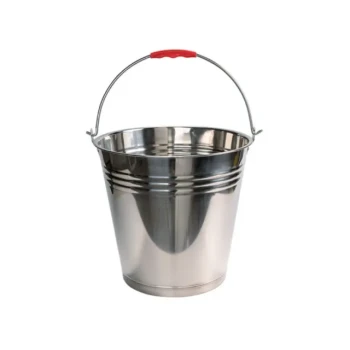
- Food Grade Plastic Honey Bucket Pail for Beekeeping
- Small Honey Filling Machine Sachet Packing Equipment Single Nozzle
- Fully Automatic Honey Filling Packaging Machine for Processing Line
People Also Ask
- How does industrial honey-filling machinery support Robinia pseudoacacia stands? Maximize Your Acacia Honey Yield
- What value do retail packaging equipment and filling technologies provide in the honey distribution process? Maximize ROI
- What role does precision filling equipment play in cost control? Maximize Honey Profits & Market Growth
- How does specialized honey filling equipment contribute to honey distribution? Scale Your Wholesale Efficiency Today
- Why is high-precision honey filling equipment necessary? Secure the medicinal value and ROI of stingless bee honey.