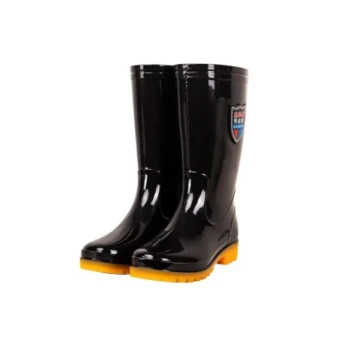
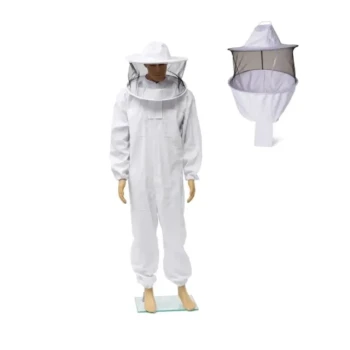
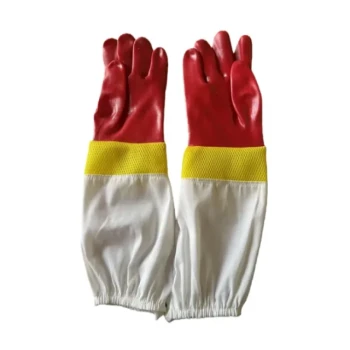
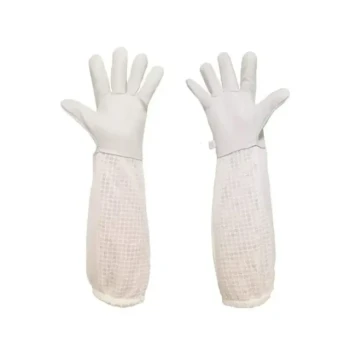
Selecting the right footwear is critical for apiary safety. The most important features are a sturdy material construction and a height that extends well above the ankles. This design is vital not just to shield the feet from stings, but to prevent the specific danger of bees crawling up underneath your pant legs.
While specialized gear is not mandatory, your boots must create a secure seal with your trousers. Prioritize boots that cover the ankle and offer a snug fit to eliminate gaps, ensuring bees remain on the outside of your protective clothing.
Essential Protective Features
Height and Coverage
The primary function of beekeeping boots is to close the gap between your footwear and your trousers.
Your boots should be high enough to fully cover the ankles. This protects the thin skin of the ankle from direct stings and serves as the foundation for sealing your suit.
Material Construction
Choose boots made from sturdy materials. Thick leather or heavy-duty rubber provides an effective barrier that stingers cannot penetrate.
Avoid soft canvas or mesh materials that bees could sting through. A solid, smooth exterior also prevents bees from gaining a foothold on the shoe itself.
Creating a Secure Seal
A loose boot opening is a major safety risk. The fit around the ankle or calf should be snug.
For ankle-high boots, use boot bands or straps to bind the pant legs tightly against the boot. Alternatively, choose boots with a wide enough opening to easily tuck your suit legs inside, creating a reverse overlap that bees cannot climb up.
Practical Considerations for the Apiary
Traction and Waterproofing
Apiaries are often located in grassy, uneven, or muddy terrain.
Look for boots with good grip to maintain stability while lifting heavy hive boxes. Waterproof materials are also beneficial, keeping feet dry during early morning inspections when dew is heavy.
Odor Management
Bees can mark footwear with alarm pheromones, which may trigger aggression on future visits.
Selecting footwear that is odor-resistant or easy to wash (like rubber) can help mitigate this issue. Keeping boots clean reduces the likelihood of exciting the hive upon your return.
Understanding the Trade-offs
Coverage vs. Temperature Regulation
There is often a compromise between maximum protection and physical comfort.
Knee-high boots offer the superior coverage. They eliminate the need for ankle straps and drastically reduce the chance of a bee entering your suit. However, they can become uncomfortably hot during summer inspections.
Ankle-high boots are generally cooler and lighter, making them less fatiguing for quick inspections. The downside is that they require strict discipline in using boot bands to ensure safety.
Making the Right Choice for Your Goal
When finalizing your footwear choice, consider your specific environment and inspection style.
- If your primary focus is maximum security: Opt for knee-high rubber boots to ensure a gap-free seal and easy cleaning.
- If your primary focus is comfort in hot weather: Choose sturdy ankle-high hiking boots combined with tight-fitting boot bands or gaiters.
- If your primary focus is stability on uneven ground: Prioritize boots with aggressive tread and ankle support to prevent slips while carrying heavy supers.
Your confidence in the apiary starts from the ground up; secure your feet to keep your focus on the bees.
Summary Table:
| Feature | Importance | Recommended Material/Style |
|---|---|---|
| Boot Height | Prevents bees from crawling up pant legs | Above-ankle or knee-high |
| Material | Blocks stingers and resists pheromones | Heavy-duty rubber or thick leather |
| Seal Type | Eliminates gaps in protective clothing | Snug fit with boot bands or tuck-in design |
| Traction | Stability while carrying heavy hive boxes | Deep-tread rubber soles |
| Maintenance | Reduces hive aggression from alarm pheromones | Easy-to-wash, odor-resistant surfaces |
Elevate Your Apiary Safety with HONESTBEE
At HONESTBEE, we understand that professional beekeeping requires precision from the ground up. Whether you are managing a large-scale commercial apiary or supplying the next generation of beekeepers, our comprehensive wholesale range has you covered.
We provide everything from high-durability protective gear to specialized hive-making and honey-filling machinery. Our mission is to empower distributors and commercial beekeepers with premium tools, hardware, and honey-themed cultural merchandise that ensure efficiency and safety.
Ready to scale your beekeeping operations? Contact us today to explore our wholesale catalog and discover how HONESTBEE’s equipment can strengthen your business.
Related Products
- Professional PVC Beekeeping Shoes with Integrated Non-Slip Sole
- White PVC Beekeeping Shoes with Non-Slip Safety Sole
- Metal Bee Hive Stand Bee Box Stand for Beekeeping
- Yellow Plastic Bucket Pail Perch for Beekeeping
- Wholesales Dadant Size Wooden Bee Hives for Beekeeping
People Also Ask
- What dual protection do professional beekeeping boots provide in tropical environments? Essential Safety for Apiarists
- What should be done if a bee gets inside a beekeeping shoe? A Guide to Safe, Sting-Free Removal
- What are the common types of shoes used by beekeepers? Select the Best Footwear for Apiary Safety and Comfort
- How does proper coverage contribute to the effectiveness of beekeeping shoes? Secure Your Feet Against Stings
- Why is it beneficial for beekeeping shoes to be easy to clean? Enhance Safety and Traction in Your Apiary