Selecting the right footwear for the apiary does not necessarily require purchasing specialist beekeeping boots, but it does demand specific functional features. The most critical attributes are sufficient height to cover the ankles, a design that allows for a secure seal with your suit to prevent bees from crawling up, waterproof materials, and adequate grip for uneven terrain.
While dedicated beekeeping boots exist, the most critical factor is not the brand but the "seal." Your footwear must prevent bees from crawling up your pant legs, meaning the ability to tuck your suit in or secure it tightly is the single most important safety feature.
Ensuring a Secure Seal
The Importance of Tucking
The primary goal of apiary footwear is preventing bees from crawling inside your clothing, a situation that causes panic and stings.
You should prioritize boots with a shaft wide enough to tuck your suit legs inside. This creates an overlapping barrier that bees cannot penetrate.
Using Boot Bands for Snug Fits
If you prefer footwear that fits too comfortably or snugly to tuck pants into, you must use boot bands.
These are straps used to seal the pant legs tightly against the outside of the boot. This is essential for preventing bees from finding the gap at the ankle.
Height and Coverage Options
Knee-High Boots
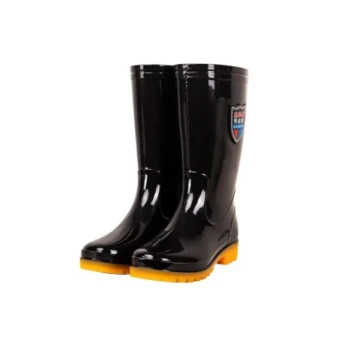
Knee-high styles, such as rubber Wellington boots, offer the best coverage.
They provide a smooth, continuous surface from the knee down, leaving no gaps for bees to explore. This style is generally the safest recommendation for beginners.
Ankle-High Boots
For quick inspections, ankle-high boots are a viable consideration.
They are less cumbersome than knee-high options but require vigilance. You must ensure they are high enough to fully cover the ankle bone and overlap significantly with your trousers.
Material and Practical Functionality
Waterproofing and Grip
Apiaries are frequently located on grass or dirt, which can be slippery or wet with morning dew.
Waterproof boots are essential to keep your feet dry during early morning checks. Furthermore, a sole with good grip is vital for stability when carrying heavy hive boxes across uneven ground.
Odor Resistance
Footwear materials that absorb sweat and odors can actually trigger bee aggression on return visits.
Bees are sensitive to scents. Choosing materials that are odor-resistant or easy to wash (like rubber) can help maintain a calmer apiary environment.
Understanding the Trade-offs
Heat Management vs. Protection
While knee-high rubber boots offer superior protection, they can become extremely hot and uncomfortable.
Beekeeping suits are already warm; adding heavy, non-breathable rubber boots can lead to overheating during summer inspections.
Convenience vs. Security
Ankle boots are easier to put on and cooler to wear, but they introduce a higher risk of exposure.
If your pant leg rides up or a boot band fails, your ankles become vulnerable. You trade the absolute security of a knee-high boot for the comfort and agility of a shorter shoe.
Making the Right Choice for Your Goal
Select your footwear based on the duration of your work and the terrain of your apiary.
- If your primary focus is Maximum Safety: Choose knee-high rubber boots (wellies) that allow you to easily tuck your pants inside for a foolproof seal.
- If your primary focus is Comfort/Quick Jobs: Choose sturdy ankle boots combined with boot bands to ensure a tight seal without the bulk of a full boot.
- If your primary focus is Hygiene/Aggression Control: Choose rubber or synthetic materials that can be hosed off to remove mud and accumulated odors.
Prioritize the seal at the ankle above all else to ensure a safe and confident experience in the apiary.
Summary Table:
| Feature | Importance | Benefit |
|---|---|---|
| Ankle Seal | Critical | Prevents bees from crawling up legs and stinging. |
| Boot Height | High | Knee-high boots offer maximum protection and easy tucking. |
| Material | High | Rubber or synthetic materials provide waterproofing and odor control. |
| Sole Grip | Medium | Ensures stability when carrying heavy hives on uneven terrain. |
| Breathability | Medium | Reduces heat fatigue during long summer inspections. |
Elevate Your Apiary Safety with HONESTBEE
At HONESTBEE, we understand that the right gear is the foundation of a successful commercial beekeeping operation. As a premier partner for commercial apiaries and distributors, we provide more than just footwear advice—we offer a comprehensive range of professional beekeeping tools, specialized hive-making machinery, and essential consumables designed for scale.
Whether you are looking to source high-quality protective equipment or automate your honey production with our honey-filling machines, our wholesale solutions are tailored to meet the rigorous demands of your business. Protect your team and optimize your output today.
Contact HONESTBEE for Wholesale Inquiries
Related Products
- Professional PVC Beekeeping Shoes with Integrated Non-Slip Sole
- White PVC Beekeeping Shoes with Non-Slip Safety Sole
- Metal Bee Hive Stand Bee Box Stand for Beekeeping
- Yellow Plastic Bucket Pail Perch for Beekeeping
- Wholesales Dadant Size Wooden Bee Hives for Beekeeping
People Also Ask
- What dual protection do professional beekeeping boots provide in tropical environments? Essential Safety for Apiarists
- What should be done if a bee gets inside a beekeeping shoe? A Guide to Safe, Sting-Free Removal
- What are the common types of shoes used by beekeepers? Select the Best Footwear for Apiary Safety and Comfort
- How does proper coverage contribute to the effectiveness of beekeeping shoes? Secure Your Feet Against Stings
- Why is it beneficial for beekeeping shoes to be easy to clean? Enhance Safety and Traction in Your Apiary