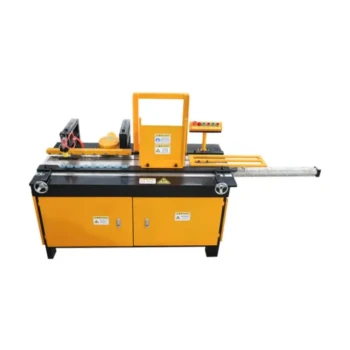
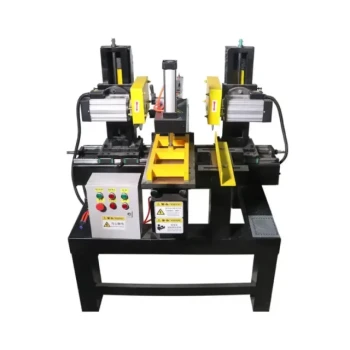
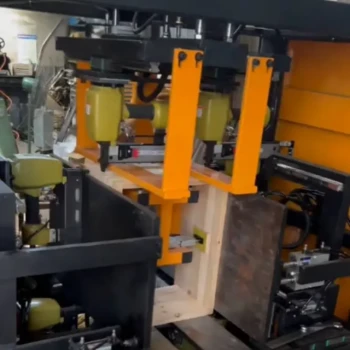
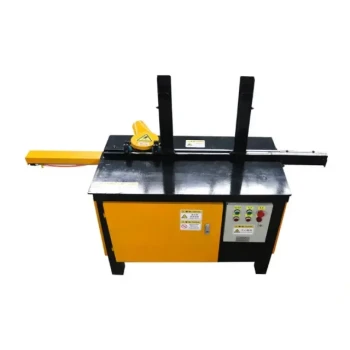
The hive-making machine acts as the infrastructure architect for a modern apiary, moving beyond simple carpentry to engineered precision. Its foundational role is to produce standardized components with such tight dimensional accuracy that the hive becomes a reliable physical interface for integrating IoT sensors and RFID hardware.
While traditional beekeeping focuses on the biological colony, a smart apiary requires a predictable engineering platform. The hive-making machine provides this by transforming organic wooden habitats into standardized data chassis capable of supporting sensitive digital monitoring tools.
The Bridge Between Biology and Technology
Precision as a Prerequisite for IoT
In a manual setup, slight variations in wood cuts are acceptable; in a smart apiary, they are failures. The hive-making machine ensures geometric accuracy across every component produced.
This precision creates the specific physical interfaces necessary to install monitoring equipment. Without this standardization, installing temperature sensors, humidity trackers, or RFID readers becomes a logistical nightmare of retrofitting and inconsistent data collection.
Enforcing "Bee Space" Standards
The machine guarantees compliance with critical "bee space" dimensions. This is the precise gap bees need to move freely without building excess comb or propolis.
By maintaining these tight dimensions, the machine ensures the habitat is durable and structurally sound. This consistency prevents the physical structure from interfering with the sensors or the biological needs of the colony.
Operational Efficiency and Stability
Stabilizing the Microenvironment
A smart apiary relies on data, but that data must reflect the colony's health, not structural leaks. High-precision manufacturing ensures tight joints that maintain a stable internal microenvironment.
This structural consistency helps the colony regulate temperature and humidity naturally. It also improves defensive efficiency against physical intruders, such as the Greater wax moth, ensuring the data collected by sensors reflects true biological trends rather than environmental stress.
Facilitating Mechanization
Beyond sensors, a modern apiary often employs mechanized operations for harvesting or larval grafting. These automated systems require the hive components to be identical every time.
The hive-making machine creates a "standard unit" that fits into these mechanized workflows. This allows the apiary to scale operations without battling the irregularities of hand-built equipment.
Understanding the Trade-offs
The Cost of Precision
Implementing high-precision woodworking machinery requires a significant upfront capital investment compared to traditional construction methods. You are essentially shifting from a craft-based model to an industrial manufacturing model.
Rigidity of Standardization
While standardization enables automation, it also locks you into a specific ecosystem. If the initial design parameters programmed into the machine are flawed, those flaws are replicated across thousands of units with high precision.
Making the Right Choice for Your Goal
To determine if investing in this level of precision aligns with your apiary's roadmap, consider your primary objectives:
- If your primary focus is Data Integrity: Prioritize machines that guarantee exact internal dimensions to ensure your IoT sensors provide consistent, comparable data across all hives.
- If your primary focus is Scalability: Focus on the machine's ability to produce identical, interchangeable parts to support mechanized harvesting and rapid colony expansion.
The hive-making machine is not just a woodworking tool; it is the hardware foundation that makes the digitalization of beekeeping physically possible.
Summary Table:
| Feature | Traditional Manual Hives | Machine-Precision Hives |
|---|---|---|
| Dimensional Accuracy | Variable (Craft-based) | High (Engineered precision) |
| IoT Compatibility | Difficult to retrofit | Standardized data chassis |
| Environment Control | Susceptible to leaks | Stable internal microenvironment |
| Scalability | Slow / Custom assembly | Fast / Interchangeable parts |
| Bee Space Integrity | Approximate | Exact / Reduced propolis buildup |
Revolutionize Your Apiary Infrastructure with HONESTBEE
As a global leader in professional beekeeping solutions, HONESTBEE empowers commercial apiaries and distributors with the high-precision machinery needed to build the smart apiaries of the future. From advanced hive-making machines that ensure perfect standardization for IoT sensors to industrial honey-filling machines and specialized hardware, our comprehensive wholesale portfolio covers every stage of production.
Ready to scale your operations with engineered reliability and industry-leading tools? Contact us today to discover how our machinery and essential consumables can enhance your productivity and data integrity.
References
- Pradeepto Pal, Rachna Juyal. Utilising Iot Technologies To Improve Beekeeping Through Remote Hive Monitoring. DOI: 10.53555/sfs.v8i3.2390
This article is also based on technical information from HonestBee Knowledge Base .
Related Products
- High-Efficiency Pneumatic Bee Hive Making Machine for Rapid Box Assembly
- Mini Desktop Bee Hive Frame Forming Making Machine
- Beehive Handle and Frame Rest Cutting Machine: Your Specialized Hive Machine
- Beehive Machine Double End Saw for Precision Hive Component Manufacturing
- Automatic High-Speed Bee Hive Box Stapling Machine
People Also Ask
- How does the introduction of professional beehive-making machinery benefit sustainable beekeeping? Scale Your Apiary
- Why is specialized beehive-making machinery critical for low-defense breeding? Enhance Selection with Precision Tools
- How does the introduction of specialized beehive making machinery contribute to increasing the scale of regional beekeeping industries?
- What is the importance of specialized beehive making machinery in a circular bio-economy? Build Local Sustainability
- Why is specialized beehive-making machinery essential? Scale Your Apiary with Precision Industrial Standards