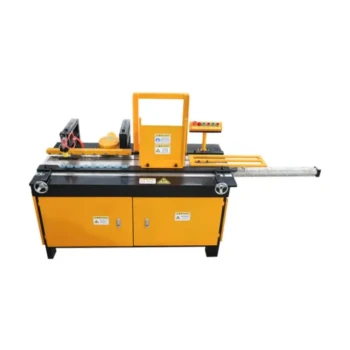
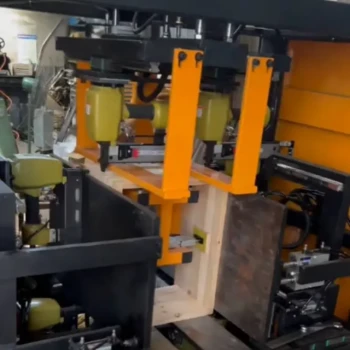
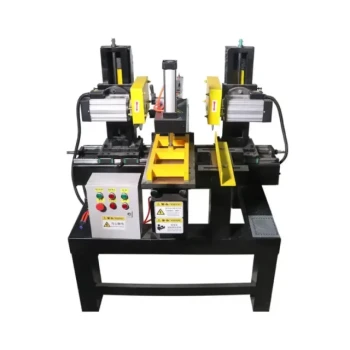
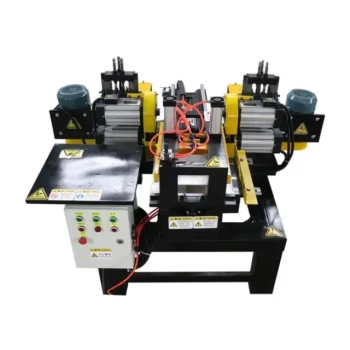
Efficient hive-making machines enhance operational stability by ensuring structural precision and superior physical durability. These machines produce standardized hives that maintain a consistent internal micro-environment, significantly reducing colony losses caused by environmental stress. Additionally, the high-quality construction withstands the rigors of frequent cross-regional transportation, lowering long-term maintenance costs and guaranteeing the reliability of essential pollination services.
Core Takeaway The stability of a commercial apiary relies on the rigorous standardization provided by industrial manufacturing. By utilizing precise hive-making machines, operators ensure equipment interchangeability, protect colony health through stable microclimates, and secure the infrastructure necessary for scalable, automated workflows.
The Foundation of Structural Integrity
Precision Engineering for Transport
Commercial beekeeping often involves moving colonies over long distances to service different pollination contracts. Machine-made hives offer superior resistance to the wear and tear inherent in this cross-regional transportation. This durability prevents physical failure, protecting the investment in both the woodenware and the colony inside.
Standardization and Interchangeability
Manual construction often leads to slight dimensional variations that cause operational friction. Industrial-grade machines ensure that internal frames and boxes are manufactured with precise, identical dimensions. This consistency allows components to be swapped effortlessly between colonies, drastically simplifying assembly and maintenance processes.
Protecting the Biological Asset
Maintaining the Internal Micro-environment
The primary function of the hive is to protect the bees. Standardized construction minimizes gaps and structural irregularities, helping the colony maintain a stable internal micro-environment. This stability reduces the energy bees must expend on climate control, thereby lowering losses caused by environmental stress.
Aligning with Biological Requirements
Modern machinery produces hives that align specifically with honeybee biological needs. Optimized structures facilitate better colony health and higher productivity. This biological alignment provides the stable output base necessary for pursuing quality certifications and meeting professional production standards.
Facilitating Scale and Automation
Integration with Downstream Automation
Operational stability extends beyond the hive itself to the processing line. Precise hive dimensions ensure technical compatibility with subsequent automated equipment, such as centrifugal extractors and filling machines. This seamless integration prevents processing bottlenecks and supports the implementation of industrial beekeeping models.
Rapid Scalability
Harvest peaks and rapid growth phases require immediate infrastructure availability. High-speed automated assembly allows apiaries to increase hive capacity quickly to match improved honey plant yields. This responsiveness ensures operators can capitalize on nutritional peaks without being held back by infrastructure shortages.
Understanding the Operational Trade-offs
Capital Intensity vs. Labor Savings
While machine-produced hives significantly reduce manual labor costs, transitioning to this model requires capital investment. Apiaries must balance the upfront cost of industrial-grade machinery against the long-term savings in maintenance and labor.
The Requirement for Full-Chain Integration
To fully realize the benefits of precise hive-making machines, the rest of the operation must often upgrade as well. Standardized hives create the most value when paired with modern extraction and filling machines. Without a fully industrialized processing line, the efficiency gains from the hive-making machines may be bottled-necked at the extraction stage.
Making the Right Choice for Your Goal
When integrating hive-making technology into your apiary, align the machine's capabilities with your specific operational focus:
- If your primary focus is Migratory Pollination: Prioritize machines that produce high-durability joints and heavy-duty components to withstand frequent loading and transport.
- If your primary focus is Large-Scale Honey Production: Focus on dimensional precision to ensure your frames are 100% compatible with automated extraction lines to maximize throughput.
- If your primary focus is Rapid Expansion: Select machinery with high-speed automated assembly features to minimize the lead time between manufacturing and colony installation.
By standardizing your hardware production, you transform variable, manual operations into a predictable, scalable industrial process.
Summary Table:
| Stability Factor | Benefit of Hive-Making Machinery | Operational Impact |
|---|---|---|
| Structural Integrity | Precision-cut joints and standardized dimensions | Reduces damage during transport; ensures part interchangeability. |
| Colony Health | Minimized gaps and stable internal micro-environments | Lowers bee stress and colony loss; improves productivity. |
| Automation Ready | Uniform specs compatible with extractors/filling lines | Eliminates bottlenecks; supports full-chain industrialization. |
| Scalability | Rapid, high-volume manufacturing and assembly | Allows quick expansion during peak honey flows or contract growth. |
Scale Your Apiary Operations with HONESTBEE
Transitioning to an industrial beekeeping model requires more than just tools—it requires a partner who understands the demands of commercial honey production. At HONESTBEE, we empower commercial apiaries and global distributors with a complete spectrum of wholesale solutions. From high-precision hive-making machines and automated honey-filling systems to specialized machinery and essential consumables, our portfolio is designed to maximize your operational stability and throughput.
Ready to upgrade your infrastructure? Contact us today to discover how our professional beekeeping equipment and cultural merchandise can drive your business growth.
References
- Tom D. Breeze, Simon G. Potts. The costs of beekeeping for pollination services in the UK – an explorative study. DOI: 10.1080/00218839.2017.1304518
This article is also based on technical information from HonestBee Knowledge Base .
Related Products
- High-Efficiency Pneumatic Bee Hive Making Machine for Rapid Box Assembly
- Mini Desktop Bee Hive Frame Forming Making Machine
- Beehive Handle and Frame Rest Cutting Machine: Your Specialized Hive Machine
- Automatic High-Speed Bee Hive Box Stapling Machine
- Beehive Machine Double End Saw for Precision Hive Component Manufacturing
People Also Ask
- How does the introduction of professional beehive-making machinery benefit sustainable beekeeping? Scale Your Apiary
- Why is specialized beehive-making machinery critical for low-defense breeding? Enhance Selection with Precision Tools
- How does the introduction of specialized beehive making machinery contribute to increasing the scale of regional beekeeping industries?
- What is the importance of specialized beehive making machinery in a circular bio-economy? Build Local Sustainability
- Why is specialized beehive-making machinery essential? Scale Your Apiary with Precision Industrial Standards