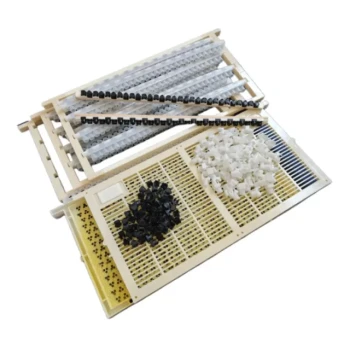
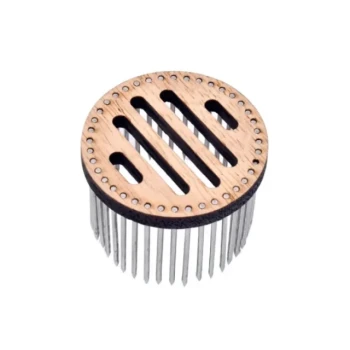
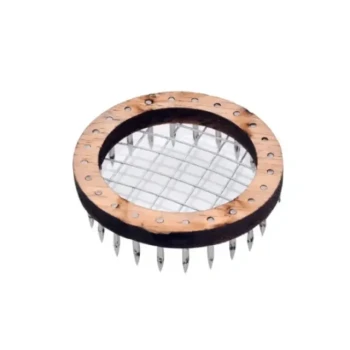
Specialized queen rearing hardware serves as the infrastructure for controlled propagation and genetic management. These tools enable apiaries to mass-rear high-quality queen bees and establish initial nucleus colonies within a highly regulated environment. By moving beyond natural reproduction rates, this hardware supports rapid industrial scaling and ensures consistent genetic selection.
The core function of this hardware is to transform colony propagation from a passive biological event into a scalable, predictable industrial process focused on genetic quality and production sustainability.
The Mechanics of Mass Propagation
Enabling Rapid Expansion
The primary function of rearing hardware is to facilitate rapid colony expansion. Beekeepers utilize these tools to generate the necessary biological units required for industrial scaling.
By controlling the rearing environment, apiaries can produce new colonies at a rate that significantly exceeds natural swarming tendencies.
Controlled Genetic Selection
Precision hardware plays a central role in genetic selection. It allows breeders to isolate specific queens to ensure that desired traits are passed down to the offspring.
This controlled environment is essential for mass-rearing high-quality queens rather than relying on random genetic combinations found in nature.
Ensuring Production Sustainability
For the beekeeping industry, consistency is vital. Specialized breeding boxes ensure the sustainability of production capacity.
They provide a reliable method for creating initial nucleus colonies, which are the building blocks of a stable apiary operation.
Securing Genetic Resources
Safe Queen Introduction
Hardware such as queen cages is critical during the final stage of propagation: introduction. These devices often utilize candy plugs to create a slow-release mechanism.
This buffer period forces a delay of 1 to 2 days, allowing the new queen's pheromones to diffuse gradually throughout the recipient colony.
Mitigating Rejection Risks
The primary goal of introduction hardware is to minimize the risk of rejection. Without this mechanical barrier, worker bees may attack a new queen before recognizing her chemical signature.
Protecting the queen during this window preserves core honey bee genetic resources and prevents the loss of the breeding investment.
Understanding the Trade-offs
Equipment vs. Biological Needs
While hardware optimizes the process, it does not replace the biological needs of the colony. Using this equipment requires strict attention to the health of the biological units involved.
Hardware cannot compensate for poor stock; it only amplifies the capacity of the existing genetics.
Complexity of Management
Introducing specialized breeding boxes increases the complexity of apiary management. Unlike natural propagation, this approach requires human intervention to manage the controlled environment.
Operators must possess technical knowledge to ensure the hardware is used effectively to support, rather than stress, the colony.
Aligning Hardware with Apiary Goals
Selecting the right equipment depends on whether your immediate goal is volume or genetic precision.
- If your primary focus is rapid industrial scaling: Utilize precision hardware to mass-rear queens and generate nucleus colonies to maximize production capacity.
- If your primary focus is controlled genetic selection: Leverage rearing boxes to isolate specific bloodlines and ensure high-quality traits are preserved in the next generation.
- If your primary focus is minimizing colony loss: Employ introduction hardware like queen cages to ensure pheromone acceptance and protect core genetic resources during transfer.
True sustainability in beekeeping relies on balancing precision hardware with sound biological management.
Summary Table:
| Feature | Primary Function | Key Benefit |
|---|---|---|
| Queen Rearing Hardware | Infrastructure for mass propagation | Rapidly increases colony expansion rates beyond natural swarming |
| Breeding Boxes | Controlled environment for nucleus colonies | Ensures genetic consistency and predictable industrial scaling |
| Queen Cages | Slow-release introduction mechanism | Minimizes rejection risks and protects valuable genetic resources |
| Genetic Isolation Tools | Selective trait management | Preserves high-quality bloodlines and improves production traits |
Maximize Your Colony Propagation Potential with HONESTBEE
Are you looking to scale your commercial apiary or expand your distribution of professional beekeeping supplies? At HONESTBEE, we specialize in providing the high-precision equipment required for industrial-scale queen rearing and genetic management.
Our comprehensive portfolio includes everything from specialized hive-making and honey-filling machines to advanced breeding boxes and rearing hardware. We empower our partners to transform passive biological processes into predictable, high-yield industrial operations.
Partner with HONESTBEE to access:
- Full-spectrum wholesale beekeeping tools and machinery.
- Expert-grade consumables for professional queen breeders.
- Durable hardware designed for long-term production sustainability.
Ready to elevate your beekeeping output? Contact us today to explore our wholesale offerings!
References
- Josueth Meza, Paúl Mejía-Erazo. La influencia de la apicultura al crecimiento económico multisectorial. DOI: 10.60100/bciv.v3i3.122
This article is also based on technical information from HonestBee Knowledge Base .
Related Products
- Twin Queen Styrofoam Honey Bee Nucs Mating and Breeding Box
- Premium Nicot Style Queen Rearing Kit with Hair Roller Bee Cages
- Jenter Queen Rearing Kit Complete Set for Bee Breeding
- Professional Multi-Functional Queen Bee Cage
- Portable Bee Mating Hive Boxes Mini Mating Nucs 8 Frames for Queen Rearing
People Also Ask
- What are the benefits of using double nuc boxes in beekeeping? Boost Apiary Resilience & Growth
- What are the practical advantages of a double nuc box? Maximize Efficiency with Standardized Beekeeping Gear
- What is the frame capacity of each side in a double nuc box? Master Queen Rearing & Colony Starts
- What are the advantages of double nuc boxes in winter? Boost Survival Rates & Apiary Resilience
- What is the purpose of exploring double nuc boxes in beekeeping? Boost Apiary Resilience & Growth