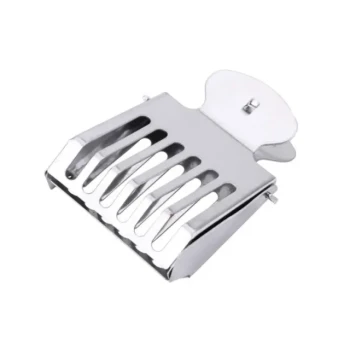
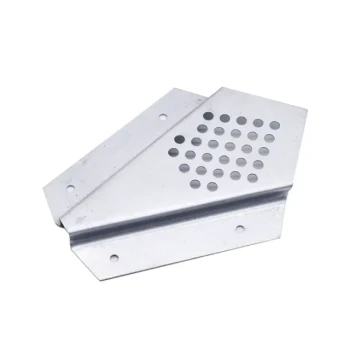
A queen excluder functions as a precision filter for biological segregation. It strictly limits the queen's movement to the brood chamber, physically preventing her from entering the honey storage areas (supers). This separation is critical for maintaining commercial honey purity and enabling the accurate data collection required for evaluating colony performance.
Core Takeaway By strictly separating the reproductive nest from honey stores, the queen excluder guarantees the integrity of performance data and the purity of the final product. It serves as a non-negotiable tool for both accurate selective breeding assessments and high-quality commercial production.
Ensuring Product Purity and Quality
The Mechanical Barrier
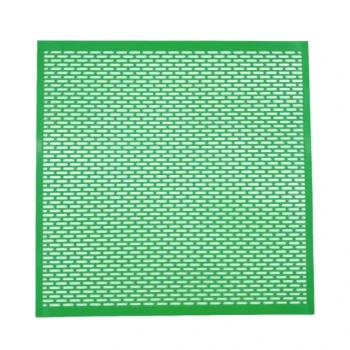
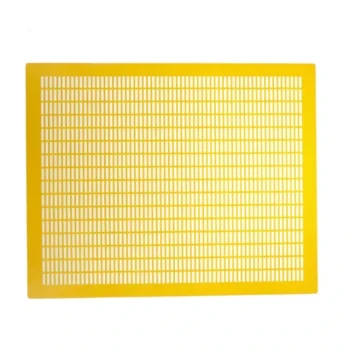
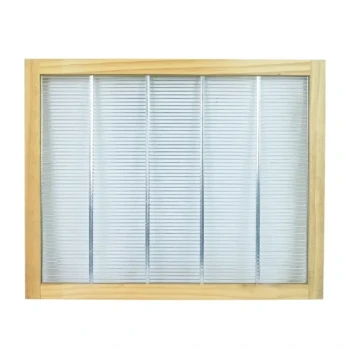
The excluder acts as a physical aperture situated between the brood chamber and the honey supers. Its gaps are engineered to distinct tolerances: large enough for worker bees to pass through freely, yet too narrow for the larger queen bee.
Preventing Biological Contamination
The primary role in production is preventing the queen from laying eggs in the honey supers. Without this barrier, the queen may expand the brood nest into the honey storage areas.
Guaranteeing Sample Integrity
By keeping the supers free of larvae and eggs, the excluder ensures that only pure honey is harvested. This is essential for maintaining the quality standards of commercial honey samples.
Facilitating Selective Testing and Assessment
Validating Weight Data
In selective testing, beekeepers judge colonies based on honey yield. An excluder ensures that the weight recorded in the supers is exclusively honey, not a mix of honey and heavy brood frames.
Accurate weight data is vital for performance evaluation. It allows beekeepers to objectively identify superior colonies for future breeding without the skewed variables introduced by brood presence.
Assessing Biological Cycles
The excluder allows for a focused assessment of the queen’s egg-laying rate. By confining her to the brood nest, beekeepers can evaluate her reproductive performance without interference from the rest of the colony's operations.
Supporting Genetic Management
Protecting Queen Cells
During selective breeding, the excluder can temporarily isolate the original queen. This prevents her from reaching and destroying newly developed queen cells intended for propagation.
Synchronizing Development
This isolation allows beekeepers to synchronize the development of new virgin queens with drone rearing. It also helps prevent the original queen from leaving with a natural swarm, securing the continuity of selected genetic material.
Understanding the Trade-offs
Impact on Movement
While the excluder is vital for segregation, it is an impediment. It forces worker bees to squeeze through a barrier to deposit nectar, which can slightly slow the flow of traffic compared to an open hive.
Management Requirements
The excluder is not a passive tool; it requires correct placement and maintenance. If the gaps are damaged or clogged with propolis/wax, it can either fail to stop the queen or hinder worker movement entirely.
Making the Right Choice for Your Goal
To utilize a queen excluder effectively, align its function with your specific objective:
- If your primary focus is Commercial Production: Use the excluder to guarantee that your extraction process remains free of larvae and brood contamination.
- If your primary focus is Selective Breeding: Rely on the excluder to standardize your weight data and protect developing queen cells for genetic continuity.
By controlling the queen's location, you convert a chaotic biological system into a measurable, manageable production unit.
Summary Table:
| Feature | Function | Benefit for Beekeepers |
|---|---|---|
| Physical Barrier | Restricts queen to brood chamber | Prevents eggs and larvae in honey supers |
| Data Validation | Separates honey stores from brood | Ensures accurate colony weight & yield metrics |
| Genetic Control | Protects new queen cells | Secures superior genetics for selective breeding |
| Product Purity | Keeps honey frames clean | Facilitates high-quality, debris-free extraction |
Elevate Your Apiary's Performance with HONESTBEE
Optimizing honey production and genetic selection requires more than just technique—it requires the right tools. At HONESTBEE, we specialize in supporting commercial apiaries and distributors with a comprehensive range of high-quality beekeeping equipment.
Whether you need precision-engineered queen excluders to ensure product purity, advanced honey-filling machines for your warehouse, or specialized hive-making machinery to scale your operations, we provide the wholesale solutions you need to succeed.
Ready to scale your business and enhance your yield? Contact HONESTBEE today to explore our full spectrum of professional beekeeping tools and industry consumables. Let us help you turn your colony management into a high-efficiency production powerhouse.
References
- Zarema M. Dolgieva, Khamzat H. Evloev. Breeding of a new breed type "Ingush" of the grey mountain Caucasian breed of bees, adapted to local climatic conditions. DOI: 10.55196/2411-3492-2024-1-43-61-69
This article is also based on technical information from HonestBee Knowledge Base .
Related Products
- High Performance Plastic Queen Excluder for Beekeeping and Apiary Management
- Lightweight Durable Plastic Queen Excluder Scraper for Beekeeping
- Professional Plastic Queen Excluder for Modern Beekeeping
- Metal Queen Bee Excluder for Beekeeping
- Premium Wood Framed Metal Wire Queen Bee Excluder
People Also Ask
- What are the characteristics of a plastic queen excluder? Key Benefits for Cost-Effective Beekeeping
- What are the operational and cost advantages of using plastic queen excluders over metal or wire excluders in commercial hive management? Discover how they reduce labor, prevent wing damage, and lower total costs.
- What types of queen excluders are available for beekeepers? Choose the Right Tool for Your Hive
- Why are standardized hive frames and queen excluders essential for maintaining honey purity and quality? Scale Your Purity
- Do plastic queen excluders work? A Cost-Effective Solution for Modern Apiaries