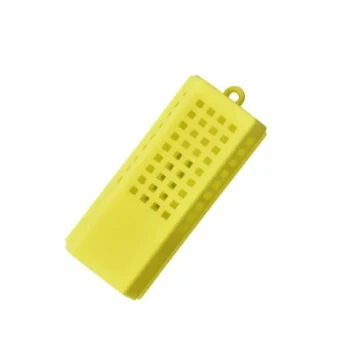
Rational breeding boxes for stingless bees must prioritize thermal insulation, precise internal volume, and specialized pest-resistant seals to ensure colony survival and productivity. These boxes are engineered to mimic natural nesting cavities, typically utilizing high-quality wood with a wall thickness of at least 1.5 cm to maintain a stable internal microclimate. By integrating scientific opening mechanisms and standardized dimensions—ranging from 15x15x30 cm to 20x20x25 cm—these designs facilitate efficient honey extraction and colony division while protecting the bees from environmental stressors.
Effective functional design transforms a simple container into a biological tool that optimizes energy expenditure within the colony. By standardizing these technical requirements, distributors can provide professional-grade equipment that ensures high-quality honey yields and long-term hive health for large-scale beekeeping operations.
Precision Thermal Management and Insulation
Optimizing Wall Thickness for Stability
Stingless bees are highly sensitive to temperature fluctuations and require a stable internal environment to develop larvae. High-quality wood construction, typically 1.5 cm thick, provides the necessary thermal mass to buffer against external heat and cold.
This insulation reduces the energy bees must spend building batumen walls (defensive structures of wax and resin). When the box provides thermal stability, the colony redirects this saved energy toward reproduction and honey storage.
Simulation of Natural Microclimates
Modern breeding boxes are designed to reach a stable temperature of approximately 28°C, mimicking the conditions of natural tree hollows. This specific microclimate is essential for queen emergence and the health of the brood.
Standardized designs ensure that "tidal" ventilation occurs naturally. This maintains the precise carbon dioxide concentrations required for larvae to mature without the risk of suffocation or mold growth.
Internal Layout and Structural Integrity
Scientific Opening Mechanisms
Rational boxes feature modular designs that allow for non-invasive management. This includes scientific opening mechanisms that permit the extraction of honey and pollen without destroying the internal structure of the hive.
The layout is often segmented to facilitate colony division. This allows beekeepers to multiply their hives efficiently, a critical factor for commercial growth and biodiversity conservation.
Non-Invasive Observation Ports
Premium boxes often incorporate transparent acetate sheets under the primary lid. This allows technicians to monitor queen emergence and worker activity without disrupting the internal atmosphere or letting heat escape.
These observation windows are vital for large-scale operations where rapid assessment of hive health is necessary. They allow for quick checks across hundreds of units, ensuring efficient order fulfillment of healthy colonies.
Protection and Hygiene Requirements
Pest-Resistant Sealing
Because stingless bees maintain permanent nests and cannot easily swarm to escape predators, the box must be a fortress. Tight seals and high-precision joints are mandatory to prevent invasions from phorid flies and ants.
Standardized hive structures eliminate the small gaps that pests use to enter the colony. This design choice is fundamental for maintaining a pesticide-free production chain and ensuring the traceability of the honey.
Standardized Entrance Diameters
The entrance of the box must be calibrated to the specific bee species. A precise entrance diameter facilitates easy access for worker bees while making the hive easily defensible against larger external predators.
This specialized entrance serves as the primary security checkpoint for the colony. It ensures that the bees can manage the hive's defense with minimal resources.
Understanding the Trade-offs
Material Choice: Weight vs. Durability
While lightweight wood is preferred for transport and ease of handling, it must not compromise the insulative properties of the box. Using inferior or thin materials may lead to colony loss during extreme weather, damaging a reseller’s reputation for quality.
Volume Calibration: Compactness vs. Yield
Compact boxes (approx. 15x15x30 cm) are excellent for urban pollination and small-space integration. However, they may limit the maximum honey yield compared to larger, specialized units. Distributors must balance these sizes based on the end-user's primary goal.
How to Apply This to Your Portfolio
Strategic Recommendations for Resellers
Selecting the right breeding box requires an understanding of both the biological needs of the bees and the business goals of the beekeeper.
- If your primary focus is commercial honey production: Prioritize modular, standardized boxes that allow for hygienic, high-yield extraction without damaging the brood.
- If your primary focus is colony multiplication and sales: Opt for designs with transparent observation sheets and scientific division mechanisms to facilitate easy monitoring.
- If your primary focus is urban pollination or conservation: Source compact, aesthetic units that mimic natural nesting habits and fit into smaller residential environments.
By offering a full-spectrum portfolio of functionally superior breeding boxes, you position your business as a professional leader in the rapidly growing stingless bee industry.
Summary Table:
| Feature | Design Requirement | Commercial Benefit |
|---|---|---|
| Thermal Control | ≥1.5cm wood thickness; 28°C stability | Reduces colony energy loss; boosts brood growth |
| Internal Layout | Modular segments & 15-20cm dimensions | Enables easy honey extraction & colony division |
| Observation | Transparent acetate internal sheets | Rapid hive health checks without heat loss |
| Pest Defense | High-precision joints & calibrated entrance | Prevents phorid fly invasion; pesticide-free yield |
| Accessibility | Non-invasive opening mechanisms | Efficient management for large-scale operations |
Scale Your Apiary Business with HONESTBEE
Partner with HONESTBEE, your premier one-stop sourcing expert for the global beekeeping industry. We cater specifically to commercial apiaries, distributors, and B2B resellers, providing a comprehensive wholesale offering that covers the full spectrum of beekeeping tools, machinery, and essential consumables.
From high-performance hive-making and honey-filling machines to specialized stingless bee boxes and cultural merchandise, our portfolio is designed to maximize your profit margins and supply reliability.
Why B2B Leaders Choose HONESTBEE:
- Comprehensive Full-Spectrum Portfolio: One-stop sourcing for all hardware and consumables.
- Deep Industry Expertise: Professional guidance to help you select the right equipment for your market.
- Rapid Fulfillment: Ultra-fast delivery and efficient order processing to keep your inventory ready.
- Dedicated Support: Exceptional customer service with rapid response times.
- OEM/ODM Capabilities: Tailored solutions to strengthen your brand identity.
Ready to enhance your product lineup with professional-grade beekeeping solutions? Contact us today to discuss wholesale pricing and customized supply chains!
References
- Sílvia Resende Xavier, Kátia Andréa Carvalhaes Pêgo. Design e meliponicultura: experiências e reflexões a partir da Trilha do Mel. DOI: 10.29327/xsds2025.1110419
This article is also based on technical information from HonestBee Knowledge Base .
Related Products
- Twin Queen Styrofoam Honey Bee Nucs Mating and Breeding Box
- Australian Langstroth Beehive Boxes for Beekeeping Wholesales
- Portable Bee Mating Hive Boxes Mini Mating Nucs 8 Frames for Queen Rearing
- High-Performance Langstroth Bee Hives for Global Professional Beekeeping
- Langstroth Honey Bee Box Hive Boxes for Different Depths
People Also Ask
- What are the benefits of using double nuc boxes in beekeeping? Boost Apiary Resilience & Growth
- What are the practical advantages of a double nuc box? Maximize Efficiency with Standardized Beekeeping Gear
- What is the frame capacity of each side in a double nuc box? Master Queen Rearing & Colony Starts
- What are the advantages of double nuc boxes in winter? Boost Survival Rates & Apiary Resilience
- What is the purpose of exploring double nuc boxes in beekeeping? Boost Apiary Resilience & Growth