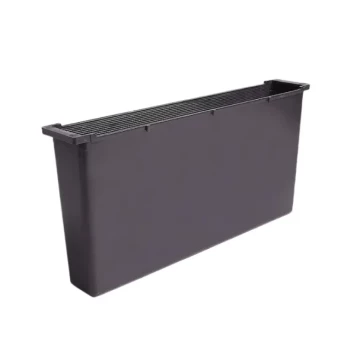
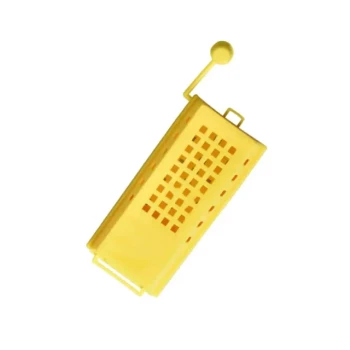
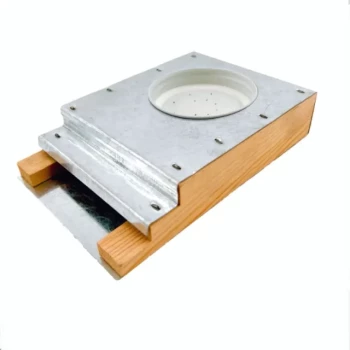
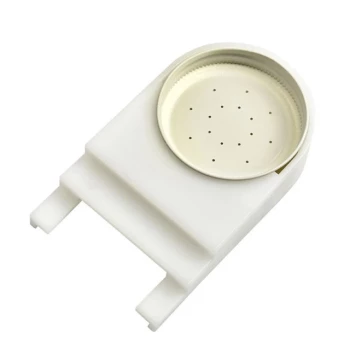
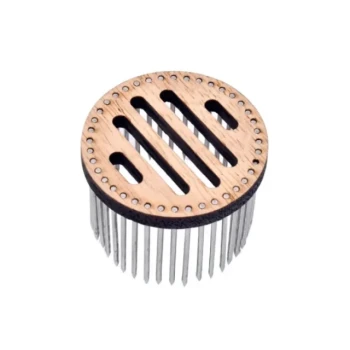
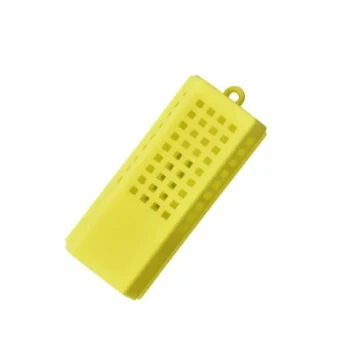
Customized in-cage feeders serve a dual purpose in toxicology protocols: they function simultaneously as a delivery system for essential nutrition and as a precision instrument for measuring chemical exposure. By tracking the exact volume of syrup consumed daily, researchers can calculate the specific dosage of pesticides, such as imidacloprid, ingested by honey bees over the course of an experiment.
While standard feeding ensures survival, customized in-cage feeders transform nutrition into data. They enable the precise calculation of chemical dosage over time, which is the foundational requirement for establishing accurate dose-response relationships in toxicology studies.
The Mechanics of Precise Dosage Control
Calculating Exact Chemical Intake
In chronic exposure experiments, simply providing food is insufficient. You must know exactly how much of the test substance the subject has processed.
Customized feeders allow researchers to measure the specific volume of syrup consumed by the bees. Because the concentration of the pesticide within the syrup is known, this volume data translates directly into a precise chemical dosage.
Establishing Dose-Response Relationships
The ultimate goal of these studies is to understand toxicology. To do this, you must correlate a specific health outcome with a specific quantity of toxin.
By using the data from these feeders, scientists can map the relationship between the dose of an insecticide and its effect on the bee. This is critical for determining lethal doses or chronic sub-lethal effects.
Temporal Precision through Daily Replacement
Accuracy in these experiments requires high-frequency monitoring. Feeders are typically replaced and measured on a daily basis.
This allows researchers to track ingestion rates over specific periods, ensuring the total calculated dosage reflects the actual intake during the experiment's timeline.
Standardization and Experimental Integrity
Eliminating Nutritional Variables
Beyond measuring toxins, feeders ensure the baseline health of the control and test groups is identical.
Using standardized feeding interfaces guarantees that every group receives an identical supply of syrup and pollen. This prevents variations in food availability from skewing the results.
Isolating the Variable of Interest
In longevity testing, it is vital to know that a bee died from the pesticide, not from starvation or resource competition.
Customized feeders provide a controlled environment where food access is constant. This isolation ensures that any observed differences in lifespan are attributable to the chemical treatment, not the feeding method.
Understanding the Trade-offs
The Demand for Daily Intervention
Precision comes at a cost of labor. The requirement to replace feeders daily to measure volume consumes significant researcher time and resources.
This constant interaction with the cages also increases the risk of disturbing the bees, which must be managed carefully to avoid introducing stress as a variable.
Laboratory vs. Real-World Behavior
These feeders are part of a "controlled laboratory setting," which inherently differs from a natural hive environment.
While they provide excellent data on chemical intake, the method limits the bees' natural foraging behaviors. The data reflects strict physiological toxicity rather than the complex exposure pathways found in the wild.
Designing Robust Toxicology Experiments
To maximize the value of your experimental design, align your feeder strategy with your specific research metrics.
- If your primary focus is determining toxicity thresholds: Prioritize the daily measurement of syrup volume to calculate the exact milligram-per-bee dosage of the contaminant.
- If your primary focus is comparative longevity: Ensure the feeding interfaces are strictly standardized across all cages to eliminate nutrient access as a confounding variable.
The most effective toxicology studies use these feeders not just to sustain life, but to turn every drop of syrup into a quantifiable data point.
Summary Table:
| Function | Description | Impact on Research |
|---|---|---|
| Dosage Control | Measures exact volume of syrup/pesticide consumed | Ensures accurate dose-response data |
| Temporal Precision | Facilitates daily monitoring and feeder replacement | Tracks ingestion rates over specific timelines |
| Standardization | Provides identical nutritional access across all groups | Eliminates nutritional variables and starvation risk |
| Experimental Integrity | Isolates chemical toxicity as the primary variable | Increases reliability of longevity and lethal dose data |
Elevate Your Bee Research and Operations with HONESTBEE
Precision is the backbone of successful apiculture, whether in the laboratory or the field. At HONESTBEE, we understand the technical demands of commercial apiaries and distributors. We provide a comprehensive wholesale range of professional-grade beekeeping tools, specialized honey-filling machinery, and hive-making equipment designed for durability and accuracy.
From essential industry consumables to unique honey-themed cultural merchandise, our portfolio is built to support your growth. Contact us today to discover how our premium equipment can streamline your operations and enhance your productivity.
References
- Cédric Alaux, Yves Le Conte. Interactions between <i>Nosema</i> microspores and a neonicotinoid weaken honeybees ( <i>Apis mellifera</i> ). DOI: 10.1111/j.1462-2920.2009.02123.x
This article is also based on technical information from HonestBee Knowledge Base .
Related Products
- Professional In-Hive Bee Feeder HONESTBEE Frame for Beekeeping
- HONESTBEE Round Hive Top Bee Feeder for Syrup
- Professional In-Hive Frame Bee Feeder by HONESTBEE
- HONESTBEE Entrance Bee Feeder Efficient Hive Front Liquid Feeding Solution for Beekeeping
- HONESTBEE Square Top Hive Bee Feeder Top Bee Feeder
People Also Ask
- When should beekeepers stop feeding their bees? Let Your Bees Tell You
- Why is the use of a beekeeping feeder for syrup supplementation important? Boost Colony Growth and Survival
- What are the common types of internal and external feeders used in beekeeping? Choose the Right Feeder for Your Hive
- What is a feeder in the context of beekeeping? Optimize Your Hive Nutrition and Growth
- How do specialized feeders contribute to effective artificial feeding? Scientific Apiary Management & Colony Health