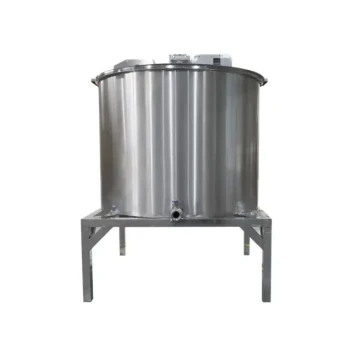
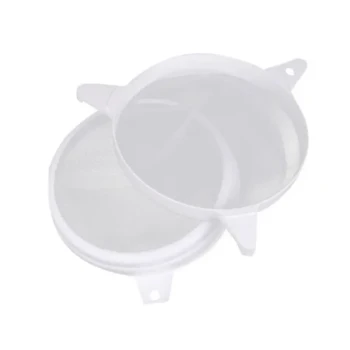
Professional honey processing equipment serves two primary mechanical functions: utilizing centrifugal force to separate liquid honey from beeswax combs, and employing multi-stage filtration systems to eliminate insoluble impurities. Beyond simple separation, these tools are engineered to facilitate the transition from a raw agricultural harvest to a standardized, high-quality commodity compliant with strict hygiene standards.
The core objective of this equipment is to automate extraction and purification while strictly preserving the honey's natural physicochemical properties. It allows producers to achieve industrial-scale consistency and hygiene without degrading the bio-active components that define premium honey.
The Mechanics of Separation and Purification
The fundamental role of professional equipment is to process raw materials efficiently using physical rather than chemical means.
Centrifugal Extraction
Industrial-grade machines replace manual pressing or squeezing with centrifugal force. This mechanical action spins the honeycombs to extract liquid honey rapidly.
This method separates the honey from the wax cappings and comb structure in a very short time. It maximizes the net output of honey while minimizing waste and reducing the labor required for harvesting.
Multi-Stage Filtration
Once extracted, the honey passes through high-precision filtration systems. These multi-stage filters are designed to remove specific insoluble impurities.
The primary targets for removal are wax particles, bee debris, and other physical contaminants. This physical purification ensures the final product achieves the clarity and purity required for food safety standards and pharmaceutical applications.
Preserving Chemical and Sensory Quality
While efficiency is important, the "Deep Need" of professional processing is maintaining the integrity of the natural product during industrial handling.
Protecting Bio-active Components
High-quality processing equipment is specifically calibrated to avoid damaging the honey's delicate chemical structure.
It ensures the preservation of physicochemical properties, specifically protecting physiological active components like enzymes and antioxidants. This allows the end product to maintain the natural sensory characteristics and health benefits required for classification as natural honey.
Minimizing Contamination Risks
Automated processing reduces the honey's exposure to the environment.
By shortening the processing time and using closed-loop systems, the equipment minimizes the risk of secondary contamination from prolonged exposure to air or human handling. This is critical for meeting modern hygiene standards.
Standardization and Commercial Viability
To transition from a farm product to a shelf-ready commodity, honey must be consistent.
Moisture Control and Shelf Life
Advanced processing centers integrate dehydration and refining technologies.
These systems precisely control moisture levels, which is the single most important factor in preventing fermentation. Proper moisture control significantly extends the shelf life of the bottled product.
Scalability and Cost Management
Automation facilitates the standardization of raw honey on a large scale.
By integrating extraction, filtration, and precise dosing (filling), operations can accurately account for unit costs. This reduces labor costs and material loss, making the commercial operation financially viable.
Understanding the Trade-offs
While professional equipment offers consistency and speed, operators must balance processing power with product integrity.
Efficiency vs. Over-Processing
The goal of industrial filtration is clarity, but there is a risk of stripping too much character from the honey.
If filtration is too aggressive, it may remove beneficial pollen or micronutrients along with impurities. The equipment must be operated to meet hygiene standards without compromising the bio-active profile that commands a premium price in the market.
Making the Right Choice for Your Goal
The type of equipment configuration you prioritize should depend on your specific market position.
- If your primary focus is Pharmaceutical or Industrial Supply: Prioritize high-precision filtration and rigorous moisture control to ensure absolute purity and extended stability for standardized applications.
- If your primary focus is Premium Consumer Retail: Prioritize extraction technology that emphasizes the preservation of enzymes and sensory characteristics to market the product as "natural" and bioactive.
Professional equipment is the bridge that turns a raw hive harvest into a trusted, safe, and marketable brand.
Summary Table:
| Feature | Mechanical Function | Impact on Honey Quality |
|---|---|---|
| Centrifugal Extraction | Separates honey from wax using high-speed rotation | Maximizes yield while preserving comb structure and reducing labor |
| Multi-Stage Filtration | Physical removal of wax, bee debris, and impurities | Ensures clarity and compliance with food safety and pharmaceutical standards |
| Moisture Control | Integrated dehydration and refining technologies | Prevents fermentation and significantly extends product shelf life |
| Automated Processing | Closed-loop systems and precision dosing | Minimizes secondary contamination and preserves bio-active enzymes |
| Standardization | Industrial-scale consistency and cost management | Facilitates large-scale commercial viability and brand trust |
Elevate Your Honey Production with HONESTBEE
Are you ready to scale your apiary operations or upgrade your distribution center? HONESTBEE provides the professional-grade tools you need to transition from raw harvest to premium retail-ready honey.
We specialize in supporting commercial apiaries and distributors with a comprehensive wholesale portfolio, including:
- Advanced Machinery: High-efficiency honey-filling and hive-making machines.
- Specialized Hardware: Industrial centrifugal extractors and precision filtration systems.
- Full Spectrum Supplies: Beekeeping tools and essential industry consumables.
- Cultural Merchandise: Unique honey-themed products to diversify your brand.
Partner with HONESTBEE to ensure your honey preserves its natural bio-active properties while meeting the highest industrial standards.
Contact us today to optimize your processing line!
References
- José Arilson de Souza, Deyvison de Lima Oliveira. A APICULTURA EM RONDÔNIA (AMAZÔNIA LEGAL): ESTUDO DE CASO SOBRE O ARRANJO PRODUTIVO LOCAL DA APICULTURA NO CONE SUL. DOI: 10.22410/issn.1983-036x.v23i2a2016.1075
This article is also based on technical information from HonestBee Knowledge Base .
Related Products
- Electric Double Wall Honey Filtering Machine Purifier Equipment for Honey Processing Plant
- Honey Concentrating and Filtering Dehumidifier Machine 2T Capacity for Honey
- HONESTBEE 72 Frame Industrial Electric Honey Extractor for Beekeeping
- Professional Stainless Steel Honey Filtering Machine with Water Bath Heating for Beekeeping
- 0.5T Capacity Honey Dehumidifier Dryer with Vacuum Heating and Thickening Filtering Machine
People Also Ask
- What types of equipment are used in honey filtering? Build an Efficient System for Pure, Marketable Honey
- What is the process of filtering honey? A Guide to Clean, Pure, and Market-Ready Honey
- What is the overall importance of using the right equipment in honey filtering? Boost Quality & Marketability
- Why is filtering important in honey processing, and what equipment is used? A Guide to Quality & Efficiency
- What is a potential concern associated with filtering honey? Balancing Clarity and Pollen Preservation