The most critical indicators to prioritize during your first hive inspection are the presence of the queen (or evidence of her laying) and the physical expansion of the hive's infrastructure. Specifically, you must verify that workers have started building out the comb on the foundation, which serves as confirmation that the colony has accepted the queen and is actively developing.
Core Takeaway The first inspection is not about a comprehensive inventory, but about verifying colony momentum. If you see fresh eggs and new comb being drawn on the foundation, the colony has successfully accepted the queen and shifted from survival mode to growth mode.
Assessing the Reproductive Engine
Locating the Queen or Her Signatures
While seeing the queen visually is ideal, it is not strictly necessary if you can find evidence of her presence. The primary reference emphasizes identifying signs that she is actively laying eggs.
Identifying Fresh Eggs
Look for eggs, which appear as thin grains of rice positioned individually in the center of the cells. The presence of eggs confirms the queen was active within the last three days.
Evaluating Brood Patterns
A healthy hive displays a tight, compact pattern of capped brood with very few empty gaps. This consistency indicates a strong, well-mated queen.
Checking Larval Stages
Assess the presence of both capped and uncapped larvae. You want to see a progression from eggs to larvae to capped brood, ensuring a continuous cycle of new bees.
Evaluating Infrastructure and Resources
Comb Construction on Foundation
According to the primary reference, a key indicator of development is whether worker bees have begun building out the comb on the foundation. This specific activity confirms the colony is settled and investing energy in their new home.
Quality of New Comb
Look for new white waxy comb. This indicates healthy glandular activity in your worker bees and sufficient nectar flow or feeding.
Essential Food Stores
Verify the hive has adequate stores of honey (nectar) and pollen. These resources are the fuel required for the energy-intensive process of drawing wax and feeding larvae.
Health and Environmental Checks
Screening for Pests and Disease
Inspect the frames for parasites like Varroa mites or pests like wax moth larvae. Early detection is critical for intervention.
Identifying Foulbrood
Check for signs of diseases such as American Foulbrood. This often presents as discolored, sunken, or perforated cappings on the brood cells.
Drone Brood Ratios
Observe the population of drones (male bees). Drone brood should occupy approximately 10% to 15% of the brood cells; significantly more could indicate queen issues.
Common Pitfalls to Avoid
The "Spot the Queen" Obsession
Do not keep the hive open for an extended period solely to find the queen. If you see fresh eggs and a solid brood pattern, you have confirmed she is present and healthy without needing to physically locate her.
Misinterpreting Resource Gaps
While a "spotty" brood pattern is bad, do not confuse it with backfilling. Sometimes gaps in the brood nest are filled with pollen or nectar, which is a normal part of resource management.
Making the Right Choice for Your Inspection
To ensure your inspection is efficient and non-intrusive, focus your efforts based on your immediate goal:
- If your primary focus is Colony Establishment: Prioritize checking for new comb construction on the foundation, as this is the definitive sign of queen acceptance and settlement.
- If your primary focus is Queen Viability: Look immediately for single eggs in the center of cells, which proves the queen is alive and laying properly.
- If your primary focus is Long-term Survival: Scan for tight brood patterns and food stores, as these predict the colony's ability to sustain its population growth.
A successful first inspection confirms that the biology of the hive is working in sync with the infrastructure you provided.
Summary Table:
| Priority Indicator | Observation Detail | Significance |
|---|---|---|
| Queen Presence | Fresh eggs (single grain of rice per cell) | Confirms queen is active and laying |
| Comb Development | New white wax built on foundation | Confirms colony acceptance and growth |
| Brood Pattern | Tight, compact, and consistent capped brood | Indicates a healthy, well-mated queen |
| Food Stores | Sufficient nectar/honey and pollen | Fuel for wax building and larvae feeding |
| Pest Check | Presence of Varroa mites or foulbrood signs | Early detection for colony survival |
Scale Your Apiary Operations with HONESTBEE
Maximizing colony health requires not only expertise but also the highest quality infrastructure. HONESTBEE specializes in supporting commercial apiaries and distributors with a complete range of professional-grade beekeeping solutions.
Whether you need to expand your capacity with high-precision hive-making machines, streamline your harvest with efficient honey-filling equipment, or source bulk industry consumables, we provide the tools you need to succeed. Our wholesale portfolio is designed to enhance productivity and ensure your colonies have the best environment to thrive.
Ready to upgrade your beekeeping business? Contact HONESTBEE Today for a Wholesale Consultation
Related Products
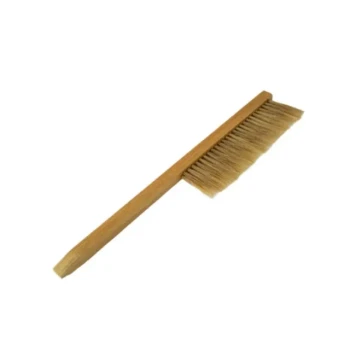
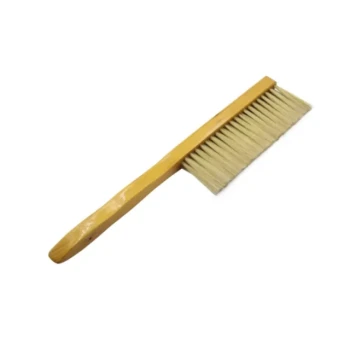
- Classic Wooden Bee Brush with Double-Row Boar Bristles
- Professional Observation Hive: The Ultimate Portable Solution for Beekeeping Education, Exhibitions, and Colony Displays
- Professional Large-Format Hive Number Set for Beekeeping
- Wholesales Dadant Size Wooden Bee Hives for Beekeeping
- High-Performance Langstroth Bee Hives for Global Professional Beekeeping
People Also Ask
- What are the key features of a popular bee brush? Essential Design for Bee Safety and Hive Hygiene
- What are the key characteristics of the bristles on a bee brush? Master Gentle and Efficient Bee Removal
- What is a bee brush and what is its primary use? A Gentle Tool for Hive Management
- What is the purpose of using a bee brush during the inspection of hive components? Safe & Precise Hive Management
- What is the specific function of a bee brush? Ensure Pure Harvests and Colony Welfare During Honey Extraction