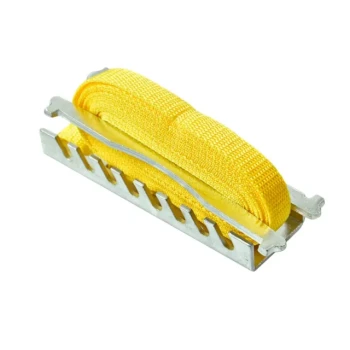
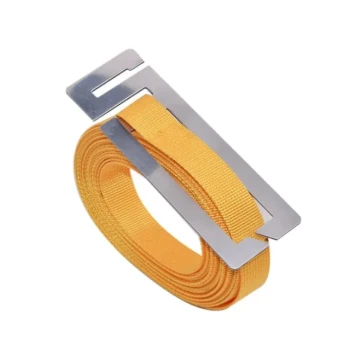
The standard length for most commercially available hive straps is 12 feet. While this length provides necessary versatility for tall hives with multiple supers, it often results in significant excess material for average-sized setups. To prevent this extra length from flapping in the wind, you must secure it using methods such as daisy chaining, tucking it into the base, or clamping it with a clothespin.
Core Takeaway Managing excess strap length is a matter of colony health, not just aesthetics. A loose strap flapping against the hive body creates vibrations that permeate the structure, causing unnecessary and significant stress to the bees inside.
Understanding Strap Length
The 12-Foot Standard
Most beekeeping suppliers provide straps at a uniform length of 12 feet.
This length is designed for maximum versatility. It ensures that a single strap is sufficient even if your hive grows vertically with the addition of many honey supers during a heavy flow.
The Surplus Challenge
For a typical hive configuration, 12 feet is often far longer than required.
This leaves you with several feet of free-hanging webbing. Ignoring this slack is a common mistake that can compromise the peaceful environment required for a productive colony.
Methods for Managing Excess
Daisy Chaining
One of the most secure ways to manage the slack is to daisy chain the free end.
This creates a neat, shortened braid of webbing that hangs heavily and stays in place. It prevents the strap from whipping around in the wind and is easy to undo when you need to adjust the hive.
Folding and Tucking
For a quicker solution, you can fold the excess strap multiple times.
Once folded into a compact bundle, tuck it firmly between the tight strap and the hive base or body. This keeps the webbing flush against the hive, eliminating wind resistance.
The Clothespin Method
If you prefer a mechanical solution, use a clothespin or similar clip.
Roll or fold the strap and clip it directly to the taut portion of the webbing. This is a simple, effective way to ensure the loose end does not drift or flap against the wood.
Understanding the Trade-offs
Strap Types and Mechanics
While "using what you have" is generally the most practical advice, the type of mechanism matters.
Standard cam-buckle straps rely on your physical strength to pull them tight. If you do not consider yourself particularly strong, these may be difficult to secure adequately.
The Ratchet Advantage
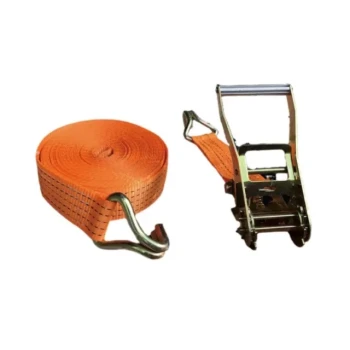
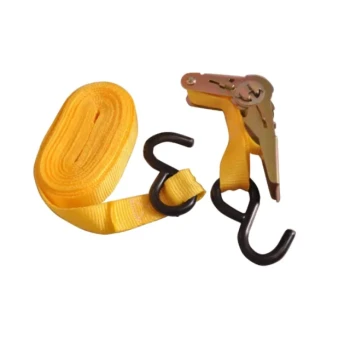
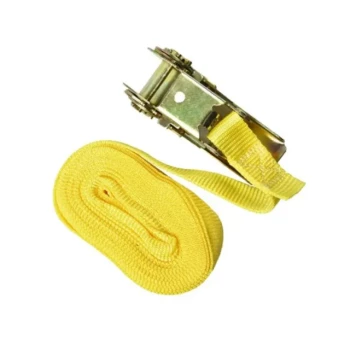
Ratchet straps are a strong alternative for those needing mechanical assistance.
They provide a mechanical advantage, allowing you to tighten the strap significantly more than you could by hand. However, be careful not to overtighten, as the force generated by a ratchet can damage wooden hive components if used without caution.
Making the Right Choice for Your Goal
Whether you are securing a hive for winter or transport, the goal is stability without stress.
- If your primary focus is bee health: Secure all excess strapping immediately to prevent wind-induced vibration and colony stress.
- If your primary focus is ease of use: Utilize ratchet straps to gain a mechanical advantage, ensuring the hive is tight without requiring excessive physical strength.
- If your primary focus is versatility: Stick with the standard 12-foot length to accommodate future hive growth, but master the daisy chain technique to manage the current slack.
A quiet, stable hive is the foundation of a calm and productive colony.
Summary Table:
| Feature | Specification/Method | Benefit |
|---|---|---|
| Standard Length | 12 Feet (3.6 Meters) | Accommodates tall hives with multiple honey supers |
| Daisy Chaining | Braid the free end | Creates a heavy, secure bundle that won't flap in wind |
| Folding & Tucking | Tuck under taut strap | Quick solution for keeping webbing flush against the hive |
| Ratchet Straps | Mechanical advantage | Ideal for those requiring extra tightening strength |
| Bee Impact | Vibration reduction | Minimizes colony stress for improved productivity |
Secure Your Apiary with HONESTBEE Professional Gear
Ensure your colonies remain calm and protected with high-quality beekeeping equipment from HONESTBEE. As a dedicated partner to commercial apiaries and distributors, we provide a comprehensive wholesale catalog including professional-grade hive straps, specialized hive-making machinery, and honey-filling systems.
Whether you are scaling your commercial operations or stocking essential consumables for your distribution network, our expertise in beekeeping hardware and cultural merchandise delivers the reliability you need. Contact us today to discuss our wholesale offerings and discover how we can help optimize your production efficiency.
Related Products
- Professional Galvanized Hive Strap with Secure Locking Buckle for Beekeeping
- Heavy-Duty Nylon Beehive Hive Strap with Stainless Steel Cinch Buckle
- Heavy Duty Ratchet Hive Strap
- Versatile Ratchet Hive Strap with S-Hooks for Secure Fastening
- High Security Emlock Strap System
People Also Ask
- What is a good way to store hive straps to keep them organized? Master the Art of Tangle-Free Hive Transport
- What are the two main styles of hive straps? Choosing Between Cam Buckles and Ratchet Mechanisms for Your Apiary
- What role do standardized beehive fastening and protective consumables play? Secure Colonies Against Natural Disasters
- What maintenance do hive straps require? Keep Your Hives Secure with Simple Care Tips
- What is the best choice for hive straps? Ratchet vs. Cam Buckle for Your Apiary