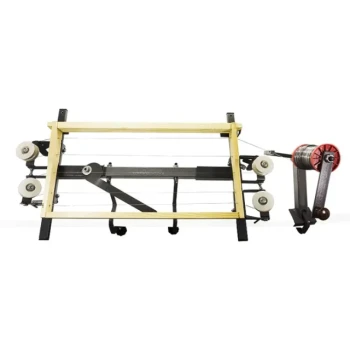
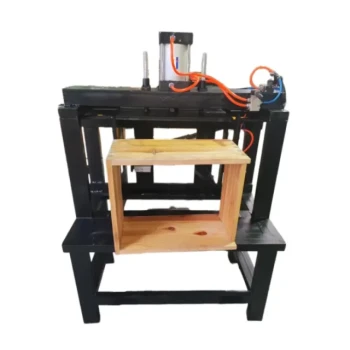
The critical role of an artificial insemination (AI) instrument is to establish absolute control over honeybee genetics by bypassing the randomness of natural mating. It serves as a precision hardware interface that allows breeders to manually introduce semen from specific drones into a virgin queen, ensuring 100% verification of both maternal and paternal lineages.
By replacing the unpredictability of open-air mating with a controlled laboratory process, AI instruments serve as the foundational technology for both preserving the purity of endangered subspecies and engineering high-performance colonies.
Overcoming the Chaos of Natural Mating
Eliminating Environmental Randomness
In nature, honeybee queens mate on the wing with multiple drones (polyandry) from unknown origins. This open-air process makes it impossible to guarantee which genetic traits are passed to the offspring.
Controlling Paternal Inheritance
The AI instrument solves this by allowing technicians to inject semen from selected drones under strictly controlled conditions. This removes the variable of chance, ensuring that only the desired genetics enter the colony.
Precision Dosage Control
Beyond source selection, the equipment allows breeders to control the specific dosage of semen used. This level of manual intervention is necessary for consistent, replicable breeding results that nature cannot provide.
The Role in Conservation and Biodiversity
Preventing Hybridization
According to conservation protocols, the AI instrument is the core technical tool used to protect native subspecies. It physically prevents "genetic pollution" or hybridization between controlled populations and non-native subspecies introduced to the area.
Ensuring Genetic Purity
For biodiversity programs, maintaining the integrity of specific lineages is paramount. AI technology allows researchers to maintain the exact genetic profile of rare local resources without the risk of external contamination.
Enhancing Performance and Disease Resistance
Stabilizing Superior Traits
To develop high-yield strains, breeders must ensure traits are inherited stably across generations. AI is the hardware foundation for fixing traits such as the high foraging activity of Caucasian bees or the productivity of Carniolan bees.
Targeting Disease Resistance
Breeding for health requires isolating specific genes, such as those for hygienic behavior. AI instruments enable the precise crossing of inbred lines, allowing researchers to track and verify the inheritance of these resistance genes.
Understanding the Trade-offs
Technical Expertise Required
This is a professional-grade solution, not a passive tool. Effective use requires significant manual skill to handle the queen and operating the instrument without causing injury or stress to the bees.
Managing Genetic Diversity (CSD Gene)
While AI prevents random mating, it places the burden of genetic diversity management on the breeder. You must actively use the tool to regulate csd gene allele diversity to physically prevent inbreeding depression, which can occur if the gene pool is restricted too tightly.
How to Apply This to Your Project
For breeders and conservationists, the application of this technology depends on your specific end goal:
- If your primary focus is Biodiversity Conservation: Use the instrument to create a closed loop that strictly excludes non-native drones, ensuring the purity of local lineages.
- If your primary focus is Commercial Production: Utilize the equipment to combine high-yield traits with disease resistance, stabilizing these qualities for mass queen production.
- If your primary focus is Genetic Research: Leverage the tool to isolate specific variables, enabling the accurate analysis of trait inheritance patterns.
The artificial insemination instrument transforms honeybee breeding from a biological lottery into a precise, manageable science.
Summary Table:
| Key Role | Primary Benefit | Application Goal |
|---|---|---|
| Genetic Control | Eliminates natural mating randomness | Ensures 100% verified maternal/paternal lineages |
| Conservation | Prevents hybridization and genetic pollution | Maintains purity of endangered native subspecies |
| Trait Stabilization | Fixes high-yield and foraging traits | Develops high-performance commercial colonies |
| Health Optimization | Precise crossing for hygienic behavior | Increases resistance against diseases and pests |
Elevate Your Apiary with Professional-Grade Genetic Solutions
Are you ready to transform your honeybee breeding from a biological lottery into a precise science? HONESTBEE specializes in supporting commercial apiaries and distributors with high-performance beekeeping machinery and essential tools. Whether you are seeking to stabilize superior traits, preserve rare lineages, or scale your production with specialized honey-filling and hive-making machines, our comprehensive wholesale offering has you covered.
Partner with HONESTBEE to access:
- Advanced artificial insemination hardware for absolute genetic control.
- A full spectrum of beekeeping tools and industrial consumables.
- Expert equipment designed for the needs of modern beekeeping enterprises.
Contact us today to explore our wholesale solutions and enhance your breeding programs!
References
- Pilar De la Rúa, José Serrano. Biodiversity, conservation and current threats to European honeybees. DOI: 10.1051/apido/2009027
This article is also based on technical information from HonestBee Knowledge Base .
Related Products
- Queen Bee Artificial Insemination Instrument Equipment for Instrumental Insemination
- Stainless Steel Beekeeping Queen Grafting Tool for Honey Bee Rearing
- Plastic Beekeeping Honey Bee Larvae Grafting Tools for Queen Rearing and Chinese Grafting
- Plastic Handle Single Row Artificial Fiber Bee Brush
- Stainless Steel Honey Bee Smoker Hive and Honeycomb Smoker for Beekeeping
People Also Ask
- Why is maintaining sanitary conditions important during artificial insemination? Protect Your Queen from Fatal Infections
- Why are artificial insemination instruments critical in bee hybridization? Master Genetic Control & Pure Breeding
- What is the core value of bee artificial insemination instruments in breed improvement? Achieve Precise Genetic Control
- Why is professional bee artificial insemination equipment considered a core tool for genetic control in honeybee breeding? Ensure 100% Purity
- Why is high-purity CO2 used for queen bee artificial insemination? Unlock Precision Breeding & Faster Egg-Laying